LCC Joins in Wetland Protection Agreement

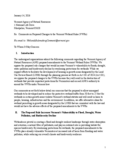
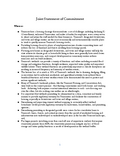
On August 4, 2026, LCC joined the Vermont Natural Resources Council (VNRC), Conservation Law Foundation (CLF), Let’s Build Homes and the Vermont Agency of Natural Resources (ANR) in announcing a set of action steps and shared goals to update Vermont’s wetland regulations to support housing while maintaining healthy wetlands and flood resiliency.
In January, LCC along with other environmental organizations expressed concern about a wetlands rule ANR proposed to the Vermont Legislative Committee on Administrative Rules (LCAR) to implement an Executive Order issued last fall by Vermont Governor Phil Scott. While aimed at facilitating housing development in downtown areas, the rule would have allowed projects to proceed in unmapped wetlands without site-specific review of the wetlands functions and values affected by the development. The proposed rule also ignored key wetlands provisions of Vermont’s 2024 Flood Safety Act.
Vermont’s wetlands play an important role in protecting Lake Champlain’s water quality. Wetlands absorb and retain floodwaters, filter out pollutants and sediments, and provide habitat for species biodiversity. Studies have shown that the buffering effect of wetlands during storms reduces the maximum height of floodwaters, a crucial protection during the more frequent, more intense storms we face with climate change. Small wetlands adjacent to rivers and streams are particularly effective in removing pollutants and sediment, including the nutrients that contribute to cyanobacteria blooms in Lake Champlain.
After LCAR objected to the proposed ANR rule, LCC, along with the other environmental groups, spent months working with ANR and housing advocates Let’s Build Homes to identify a suite of steps the state could take to improve wetland regulations so they are more timely and predictable for housing developers, while also maintaining critical protections for wetlands – most importantly, removing the provision that would have allowed development in unmapped wetlands.
The agreement announced this week enables LCC, VNRC, CLF, ANR, and Let’s Build Homes to work toward shared goals, by increasing clarity on the scope and extent of wetlands within those areas of the state that best support compact development. The action steps announced in the agreement will create a streamlined project approval process within designated growth areas that avoids unnecessary delay while still promoting clean water and flood resilience by protecting the most important wetlands functions and values.
Overall, these proposals aim to support more housing – particularly in Vermont’s designated growth areas – while also ensuring we are protecting wetlands so they can continue to provide a range of benefits for our communities, including increased flood resilience, cleaner water, and wildlife habitat. LCC is committed to working with all of the stakeholders to move forward on these action steps in the coming months and years.