What are your highest priorities for clean water investments? The Vermont Clean Water Fund Board has set up an on-line survey to gather public input on priority areas for investing in clean water. The feedback will help shape next year’s Clean Water…
On Friday June 17, EPA released a final Total Maximum Daily Load (TMDL) for Lake Champlain. The TMDL sets a pollution budget, defining how much of a given pollutant can enter a water body with water quality standards still being met.
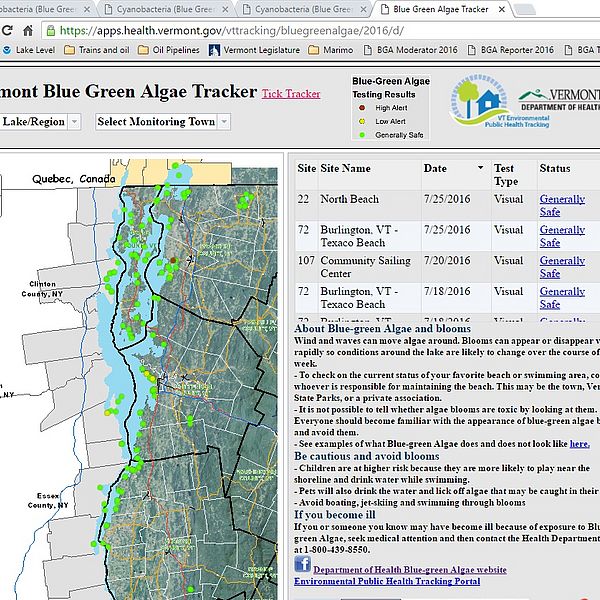
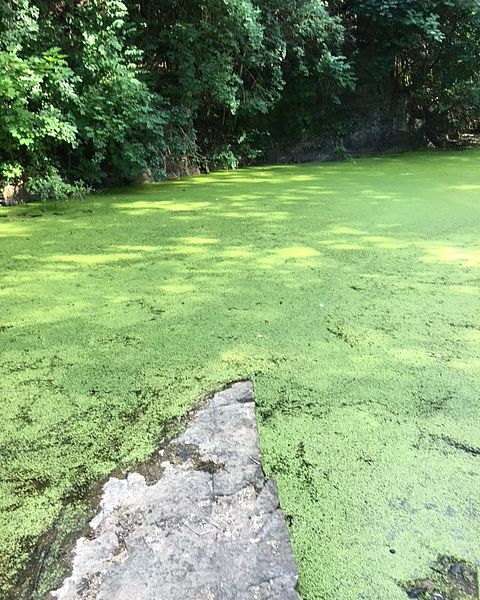
The Vermont Department of Health (VDH) algae tracker is up and running for the summer and LCC staff and volunteers are feeding data into it every day. Health officials use information from the tracker to inform community advisories about harmful…
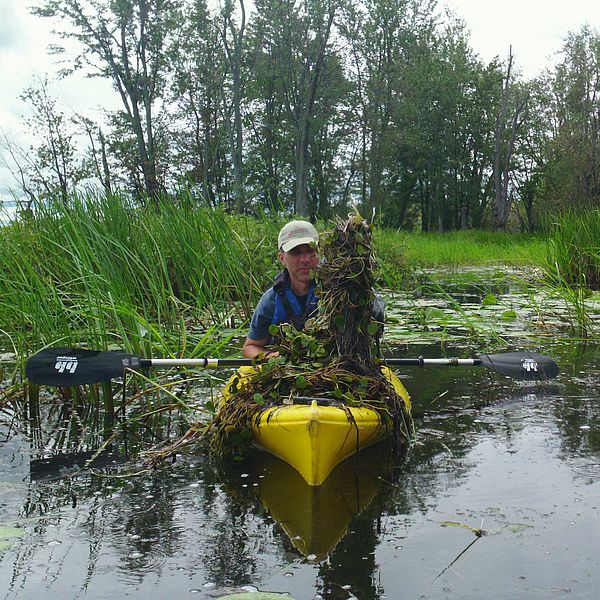
For most of the last six years LCC has been conducting surveys for aquatic invasive plants and initiating control efforts where possible. We have worked in conjunction with Arrowwood Environmental to map the distribution of European frogbit and water…
Will work finally proceed on neutralizing the greatest threat for aquatic invasive species (AIS) introductions the lake faces? The proposed study of an invasive species barrier on the Champlain Canal has been forwarded by the Army Corps of Engineers…
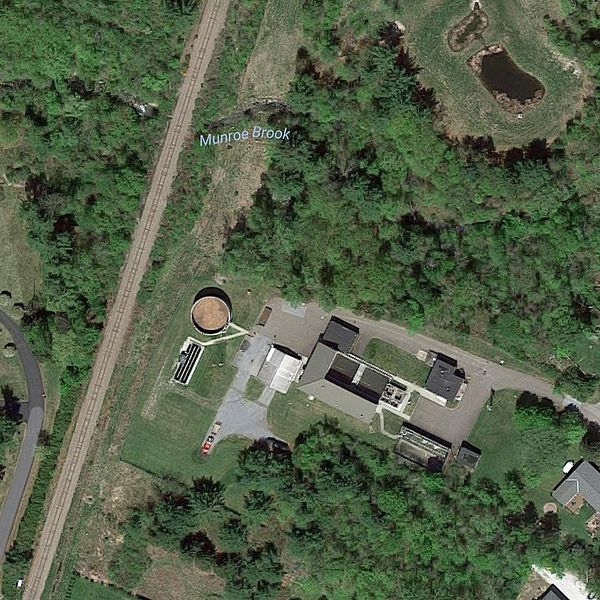
On July 20, 110,000 gallons of unchlorinated sewage were discharged to Shelburne Bay from the wastewater treatment plant in Shelburne. The discharge occurred due to a “malfunction” at the plant. The situation was resolved and chlorination began the…
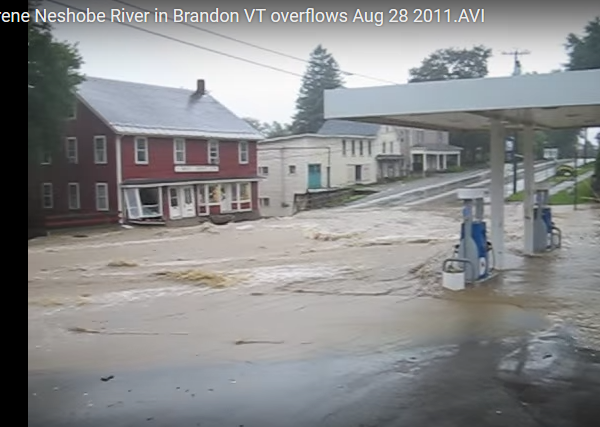
During Tropical Storm Irene, the Neshobe River in Brandon captured Main Street/Route 7 as its channel when there was so much water coming down that it couldn’t pass underneath the road.
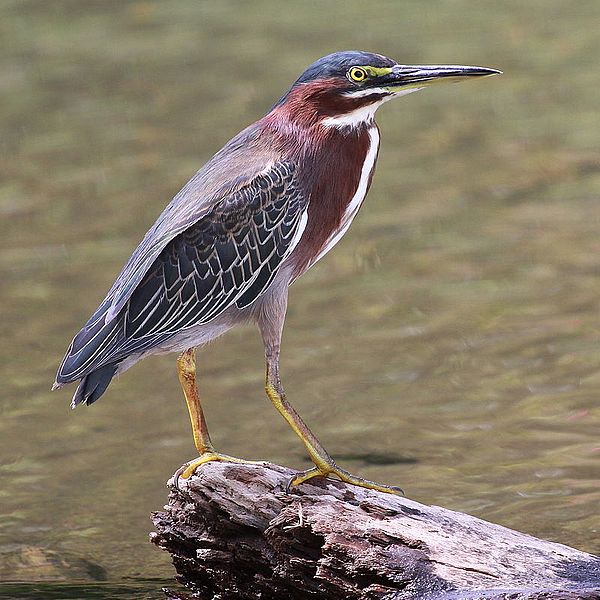
Great blue herons may garner most of the oohs and aahs of people around the lake, but green herons, their smaller, more colorful cousins also deserve some attention.