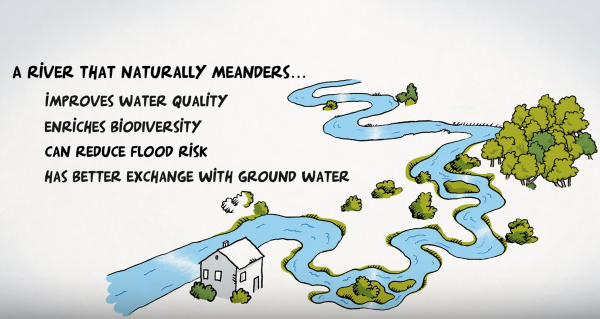
During Tropical Storm Irene, the Neshobe River in Brandon captured Main Street/Route 7 as its channel when there was so much water coming down that it couldn’t pass underneath the road.
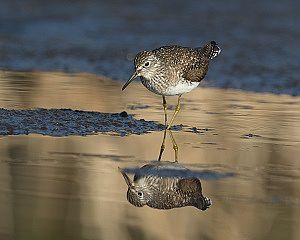
Great blue herons may garner most of the oohs and aahs of people around the lake, but green herons, their smaller, more colorful cousins also deserve some attention.
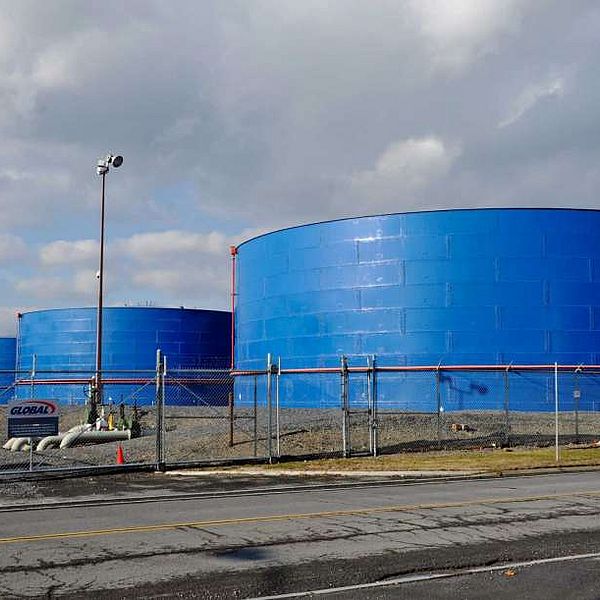
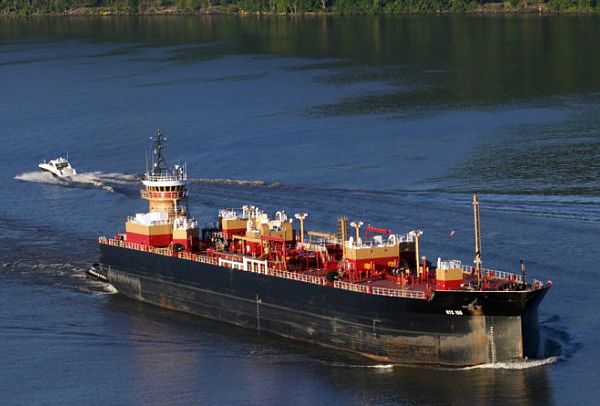
LCC and partner organizations including the National Wildlife Federation and the Adirondack Council recently released a letter urging Congress to ban oil transportation along Lake Champlain.
Could water infrastructure be gaining support in Washington? The recent inability of Congress to support funding to address the Flint, Michigan drinking water crisis would suggest not, but Politico reports that “there is a growing belief—on both…
The Vermont Agency of Agriculture has submitted their plan for Required Agricultural Practices (RAPs) to the Secretary of State on their path to final implementation.
Lowes and Home Depot recently reached settlement agreements with the New York Attorney General for violations of a 2010 state law designed to reduce pollution from phosphorus lawn fertilizer.
The New York the State Senate considered two regulatory “reform” bills that would seriously impede state agencies’ ability to protect the public and the environment.
Help assess Lake Champlain water conditions around the lake. Complete our<link get-involved volunteers bgamonitors blue-green-algae-monitor-interest-form _blank internal link in current> blue-green algae monitor form if you're…
The mild winter has merged with a dry spring to produce lower than average lake levels. On average May is the month with the highest water levels, but the end of May lake level (95.99 feet on 5/31) is more typical of what we usually see in mid-July.
LCC and other Champlain Basin Education Inititative partners are seeking a few more educators for the upcoming Watershed for Every Classroom five-credit graduate course.
Leave an outside light on during a summer night and you're likely to eventually find one or two large insects with two long appendages at their back sitting placidly by the light.
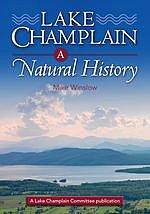
As summer approaches we all look for a good book to bring along to the beach. Consider a copy of <link learn lccbook>Lake Champlain: A Natural History for yourself or the lake lover among your friends and acquaintances.
LCC and six other environmental groups sent a joint letter to the Vermont Agencies of Agriculture and Natural Resources commenting on an interim report on the impacts of agricultural tile drains released by the Agencies.
Researchers at UVM have looked at the impacts of changes in student populations on drug residues in Burlington’s wastewater, according to an article in the Burlington Free Press. Christine Vatovec, an environmental science research professor,…
A federal court has ruled that the authority under which hundreds of thousands of double-crested cormorants around the country are killed each year was illegally issued. The ruling calls into question state and federal authority to manage cormorants…
The Great Lakes have been the point of introduction for numerous aquatic invasive species over the years. Ocean-going cargo ships would exchange ballast water after arriving from Europe or Asia and accidentally dump the creatures that had survived…
The phrase “think globally, act locally” has been a mantra of the environmental movement for at least 45 years. It urges people to consider the health of the entire planet when making decisions or taking actions close to home.
Spring snowmelt reveals accumulated detritus from winter months. Leaves, trash, dog waste, road sand -- all will end up in the nearest waterway without some help. It’s time for spring cleaning. You can adopt a stormdrain or stretch of roadside to…
On April, 1, 2016 the water temperature at the USGS gage in Burlington hit 40°F for the first time this year. Each year we eagerly await this milestone.
Marion Nestle, Professor of Nutrition, Food Studies, and Public Health at New York University, decided to teach a course on the Farm Bill. The Farm Bill is the primary agricultural and food policy tool for the United States.
The Vermont Agency of Agriculture has requested a delay in up-dating their pollution control rules for agriculture. The up-date is required under Act 64, the water quality bill passed by the Vermont legislature in 2015.
We take clean drinking water for granted, but recent problems in Flint, Michigan are a reminder of how precious it really is. It has only been about 100 years that we could trust the water coming from taps to not make us sick, a threat many parts of…
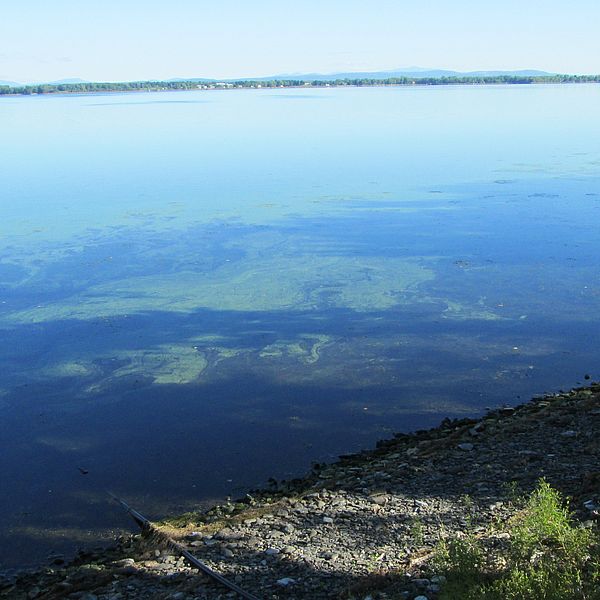
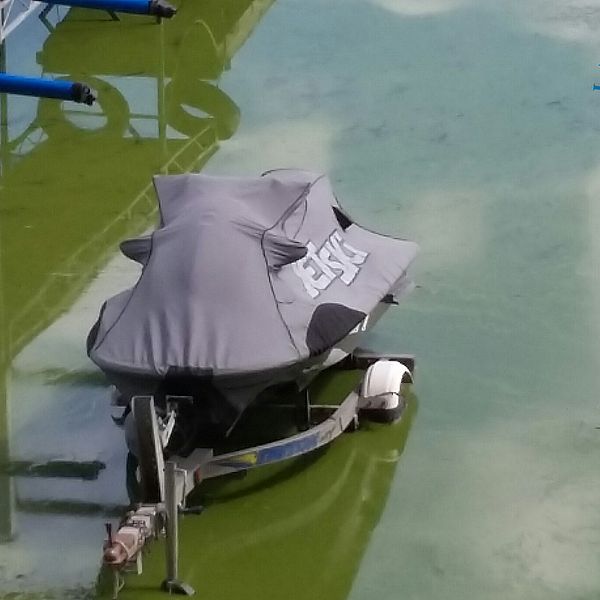
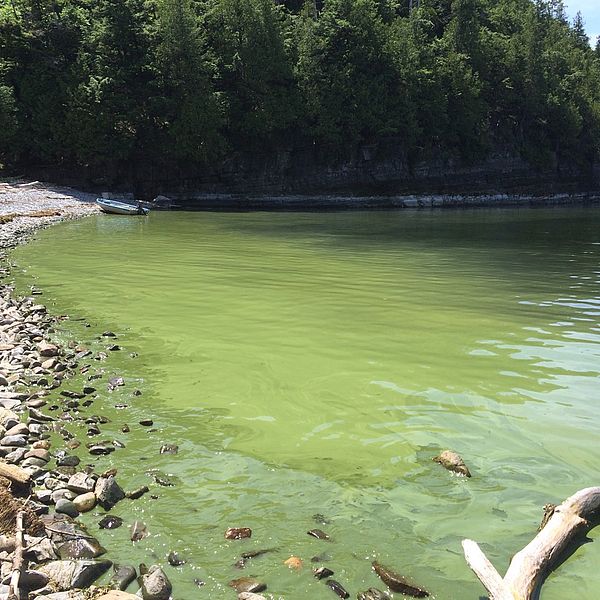
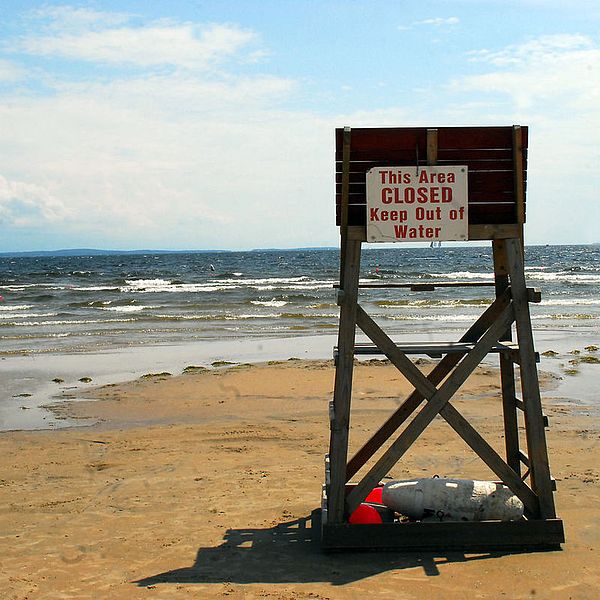
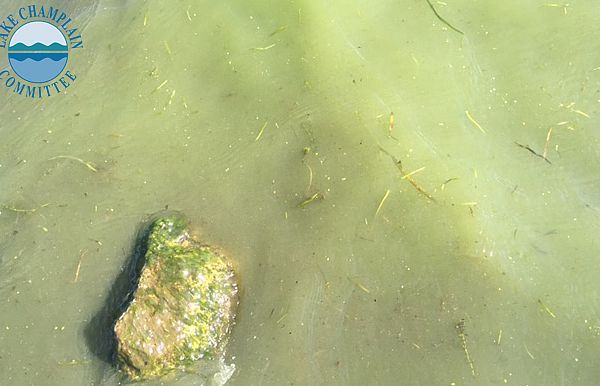
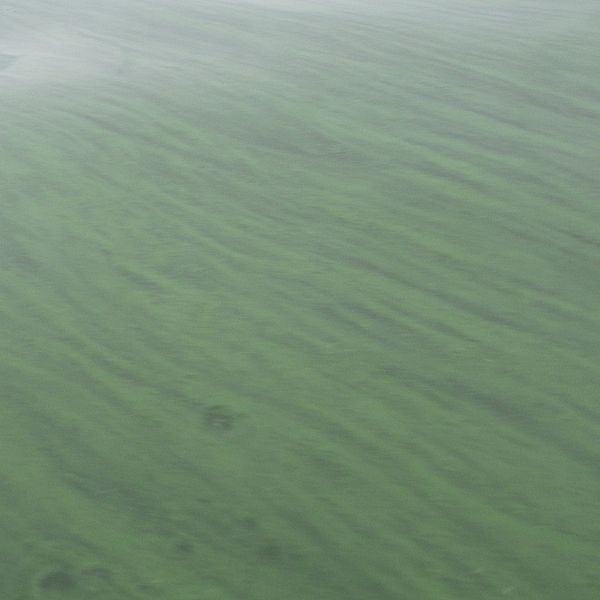
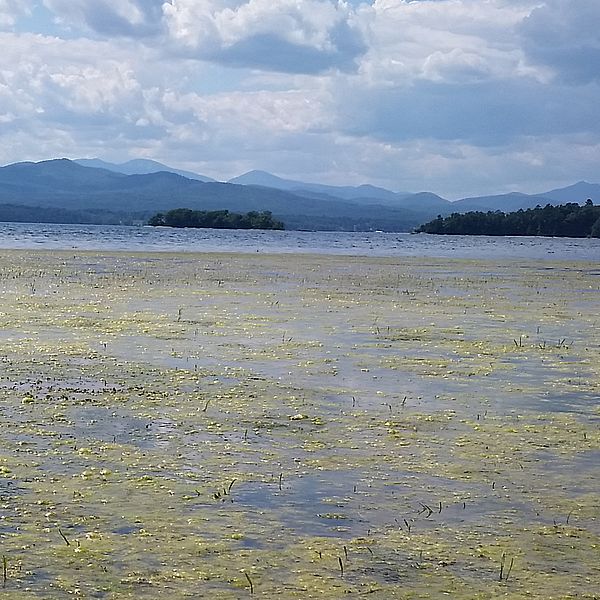
Lake Champlain does not meet water quality standards. Every year, blue-green algae blooms plague northeastern bays and pop up in other places around the lake.
We're at work on the 2016 edition of the Trail guide and other Trail promotional materials. If you have pictures and stories from your 2015 water outings that you haven't shared yet, we'd love to see and hear them.
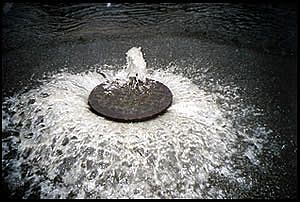
Chesapeake clean-up challenges, PBDE levels increase in Lake Erie smallmouth, SolarBees fail to prevent algae blooms in North Carolina lake, Record Low Levels of Arctic Sea Ice and more...
On February 3, 2016, Vermont’s Secretary of Agriculture, Chuck Ross, decided that best management practices (BMPs) are necessary in the Missisquoi Basin to achieve compliance with Vermont’s water quality goals.
Developed land is a significant source of phosphorus loading to Lake Champlain. Measures to reduce loading include revisions to the Vermont stormwater manual, improved management of roads and construction sites, and increased use of low-impact…
The Lake Champlain Basin Program (LCBP) has released a request for proposals to study accumulation of mercury and toxins from blue-green algae in fish.