As the legislative session begins in Montpelier, LCC is tracking several bills and monitoring agencies’ implementation of laws passed in recent years with important implications for Lake Champlain. Here is a summary of what we’re watching, with links…
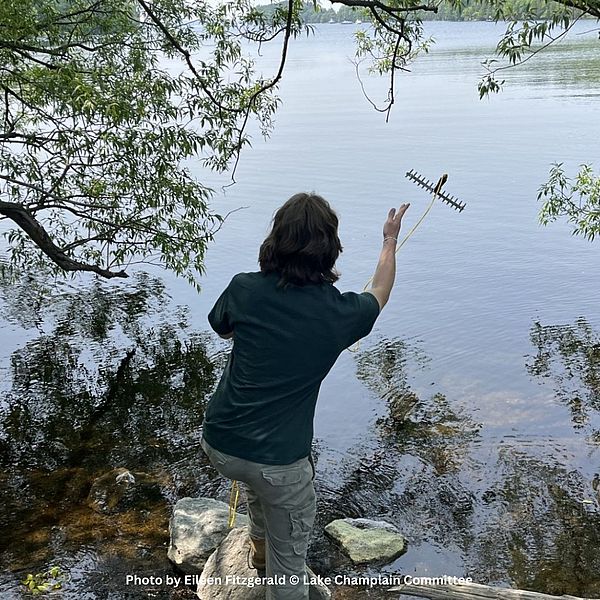
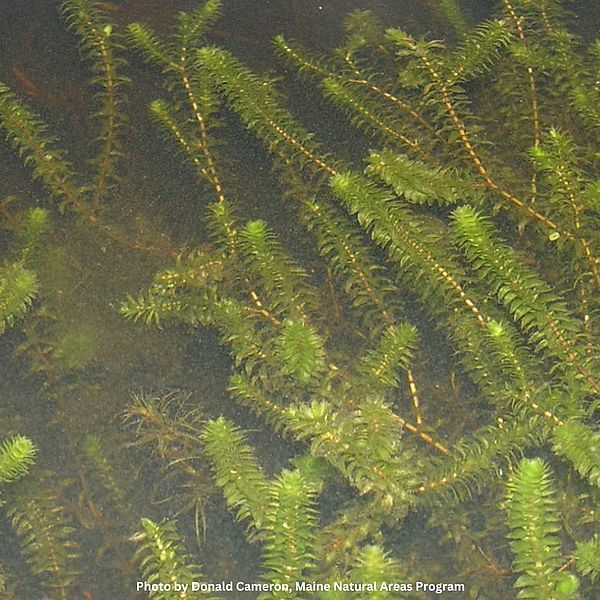
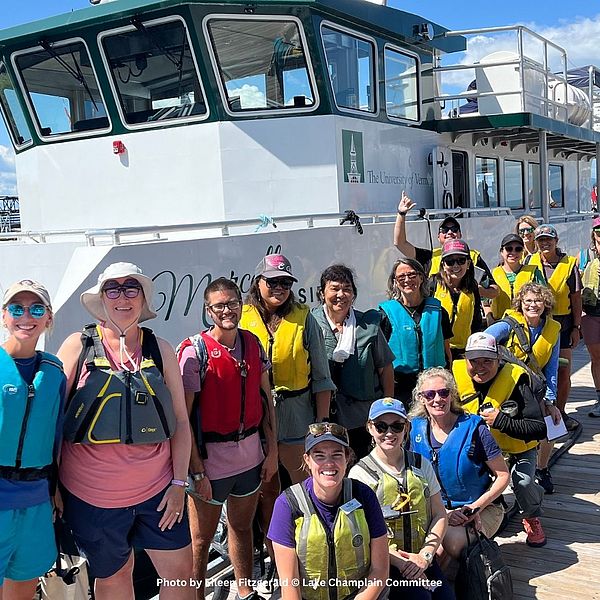
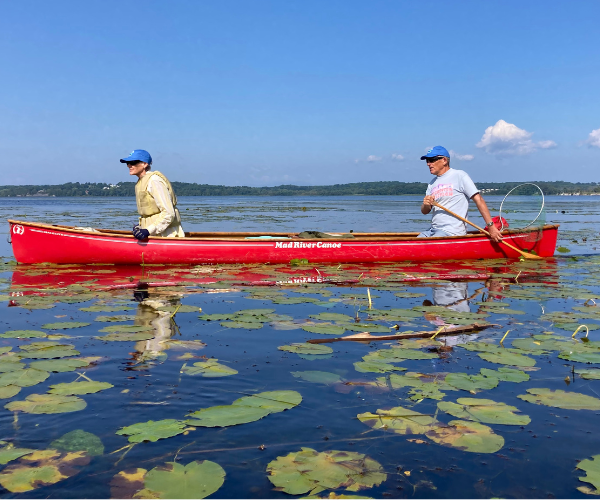
2025 marked the third year of LCC’s Champlain Aquatic invasive Monitoring Program—CHAMP. Through this program, trained community scientists take to a shoreline site along Lake Champlain and survey for invasive species—including both species known to…
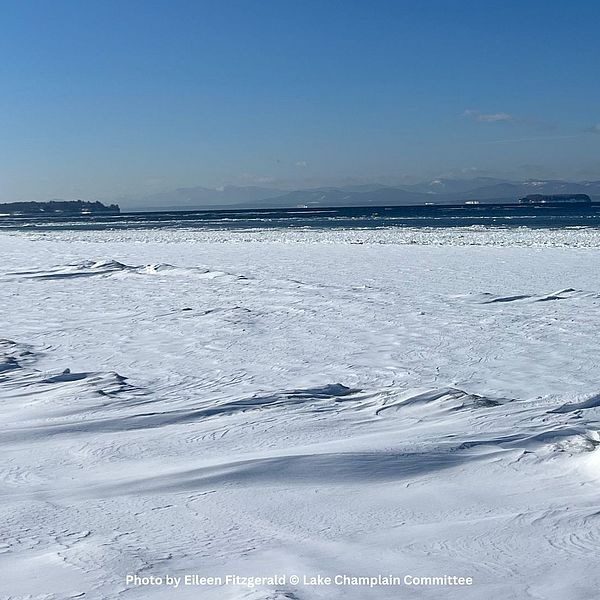
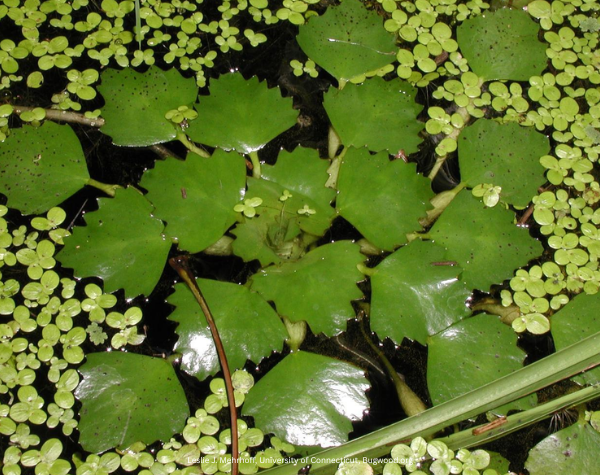
Submersed aquatic plants in Lake Champlain set the stage for a flurry of biological activity during the summer. In winter, most of these plants die back as ice forms over once sunny shallow bays, and the lake’s living beings slow down. There is one…
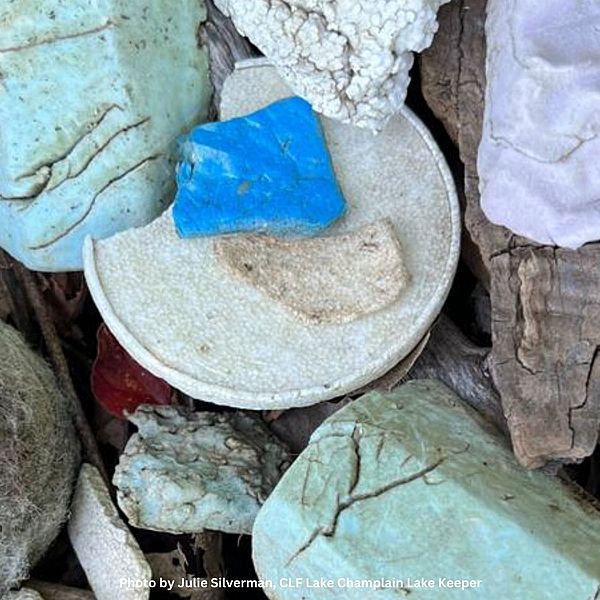
Walking the shoreline of Lake Champlain and Lake George, you might find sand, pebbles and rocks, driftwood, and all sorts of natural objects. These contribute to the beauty of our region. They are also important to the many animals and plants that…
Watershed for Every Classroom is a year-long supported professional development program for educators in the Lake Champlain Basin. Through hands-on experiences and collaborative learning, educators explore how the people, places, and stories of the…
Lake Champlain’s health is tremendously affected by terrestrial activities. Some of the most important impacts come from Montpelier – and not only when the Winooski River reaches flood stage.
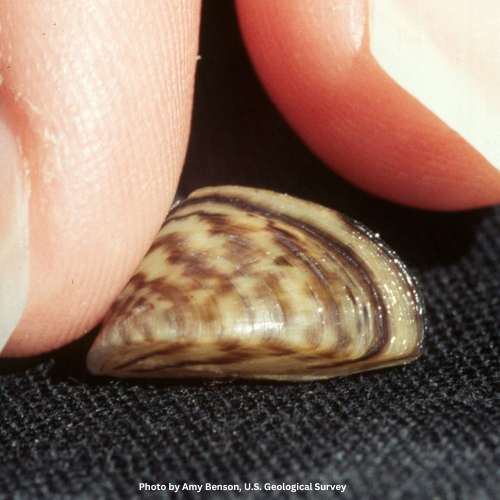
Invasive zebra mussels are found throughout Lake Champlain, from the southern reaches of the lake to the northern bays in Quebec, growing in dense clusters and harming the lake's ecosystem, recreational access, and economic viability. And if zebra…
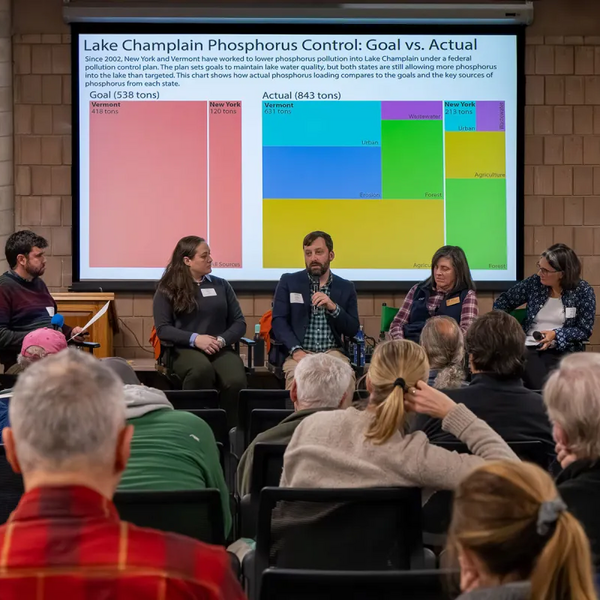
LCC's Executive Director Jenny Patterson joined a panel of experts hosted by Adirondack Explorer in early November 2025 about Lake Champlain's water quality and the high cost of inaction when dealing with phosphorus pollution. Check out this article…
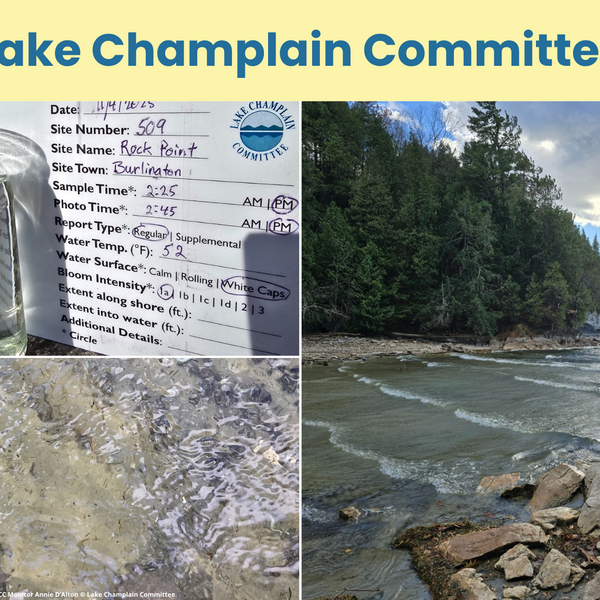
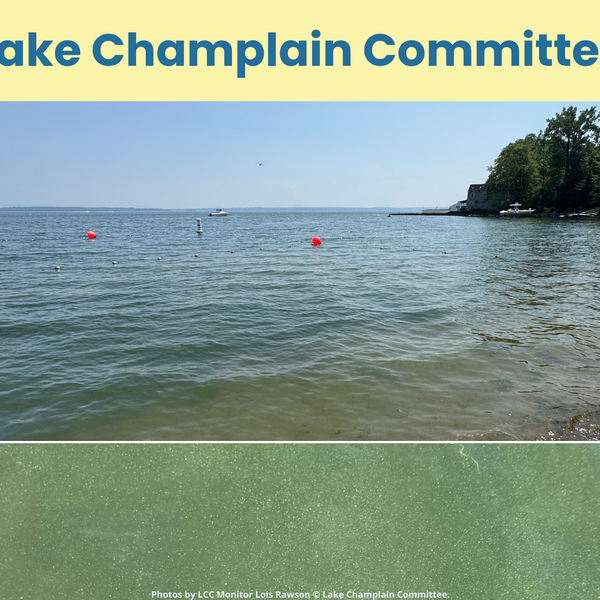
That's a wrap on the 2025 cyanobacteria monitoring season! We want to extend our heartfelt thanks for the time, care, and commitment of all of our monitors throughout the year. The season wrapped up quietly during Week 21 (11/2 -11/9) on Lake…
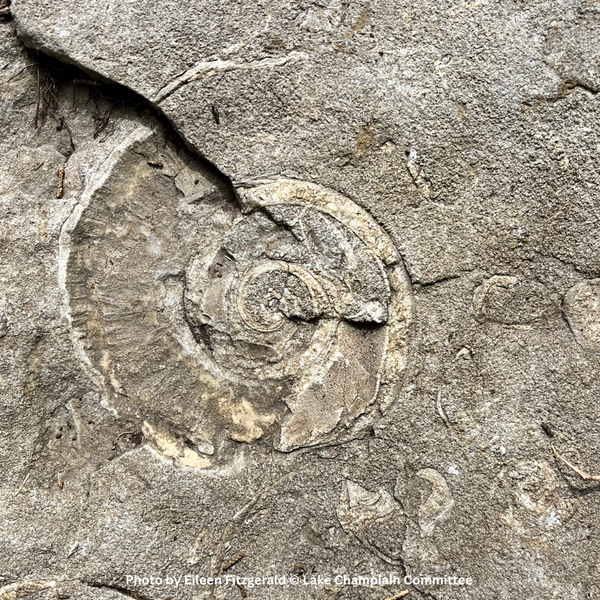
About 480 million years ago, instead of the chilly, choppy, freshwater lake we’re familiar with, an expansive tropical sea teemed with life in our region. The ancient Chazy Reef was remarkably diverse considering how new multicellular life was at…
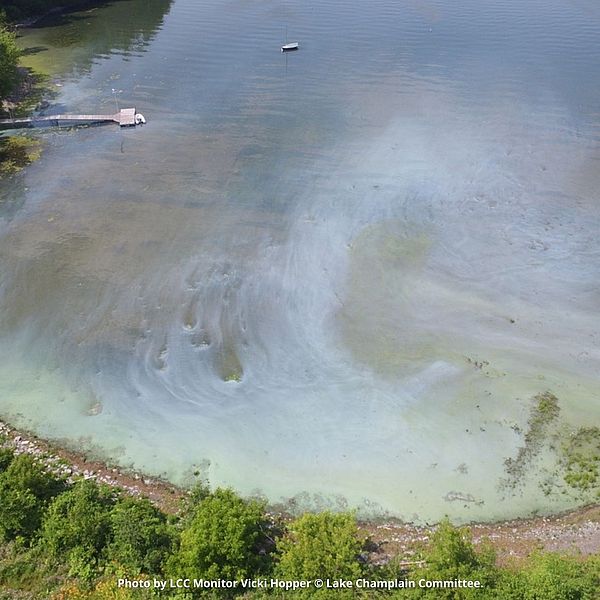
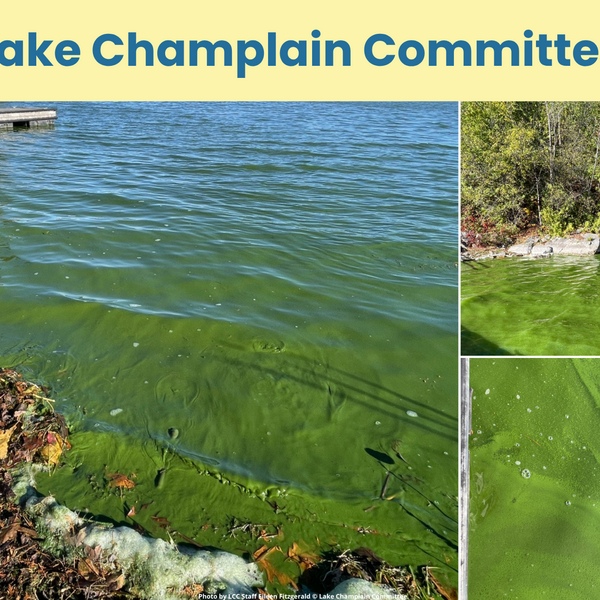
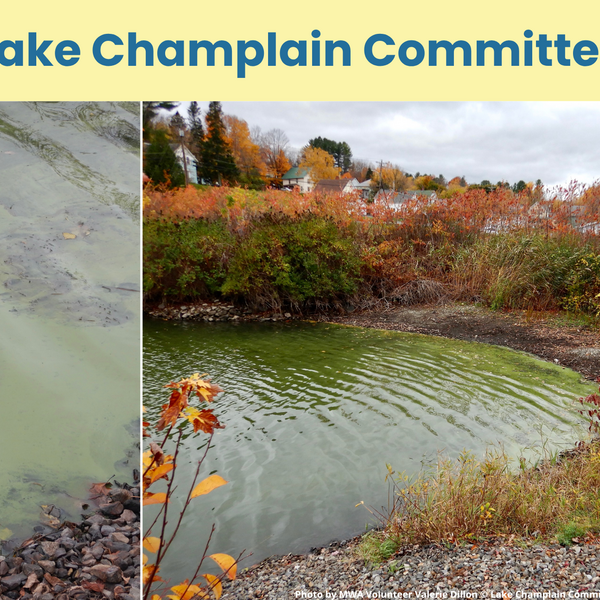
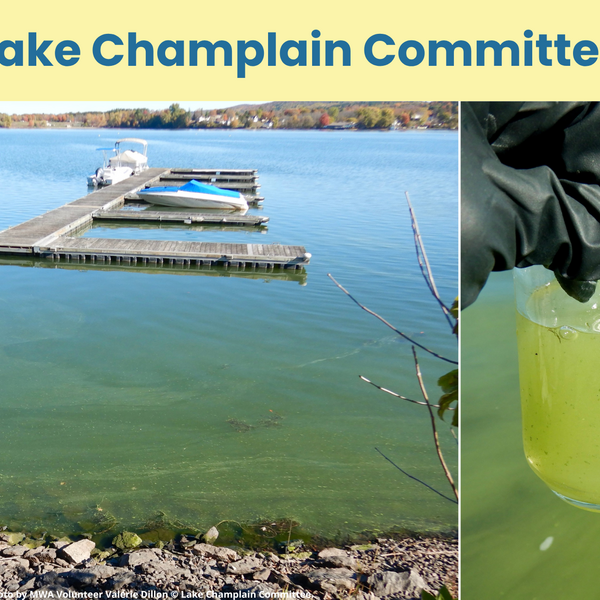
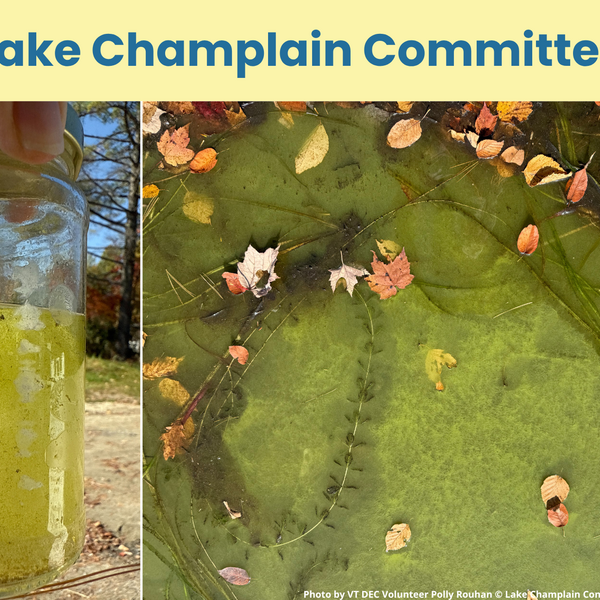
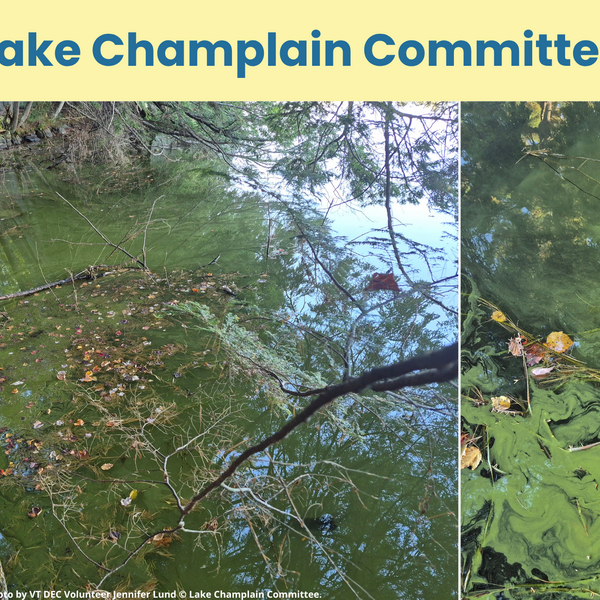
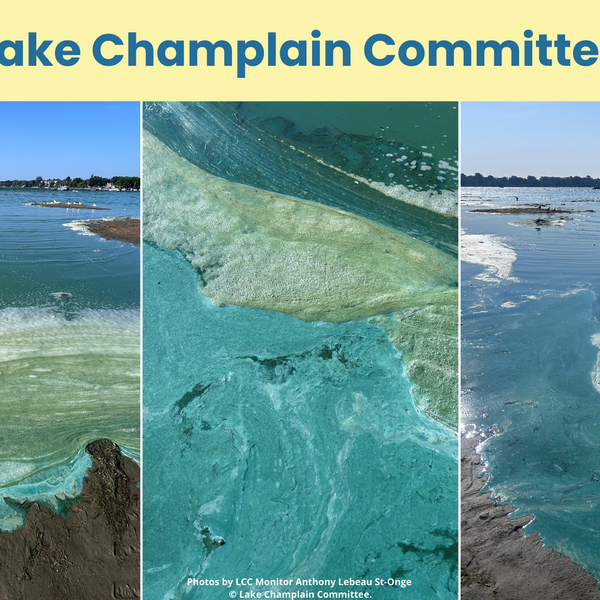
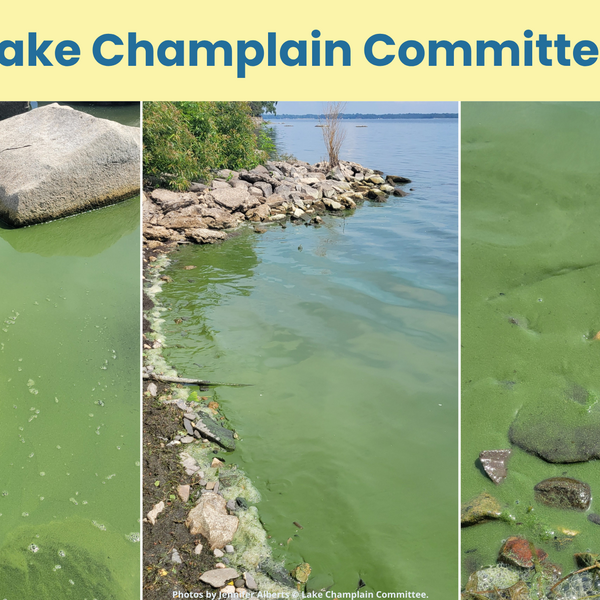
In the 20th and final week of the cyanobacteria monitoring season (10/26 - 11/1/2025), we still saw blooms on Lake Champlain and in waterbodies throughout Vermont, including green waters at Graveyard Point in North Hero, vivid swirling patterns at…
LCC's Water and Science Program Coordinator Lindsey Cookson, Ph.D., joined Preservation Burlington on CCTV & Town Meeting TV on October 23 to discuss LCC's history, community science programs, and advocacy for lake health. Watch the interview here…
Week 19 of the cyanobacteria monitoring season (10/19 - 10/25/2025), we saw a high alert bloom at St. Anne’s Shrine in Isle La Motte, benthic cyanobacteria globules at Holcomb Boat Launch, subtle traces of cyanobacteria at Graveyard Point West in…
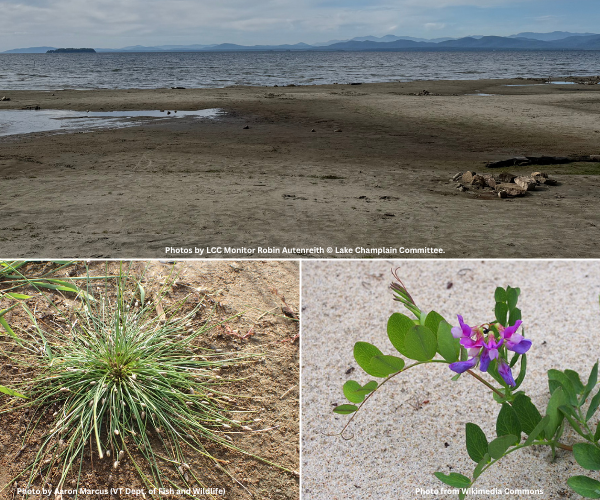
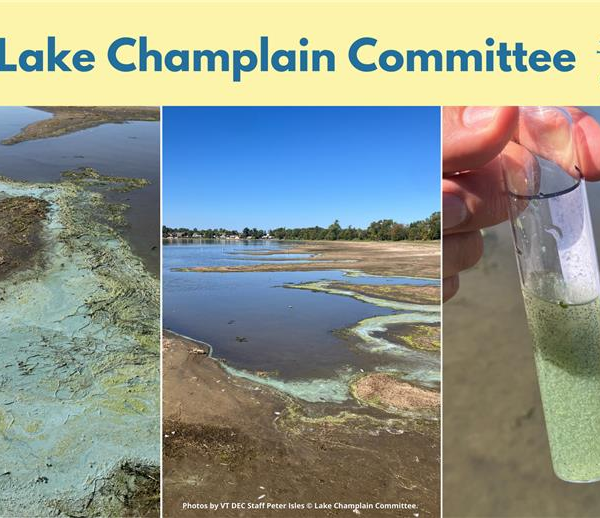
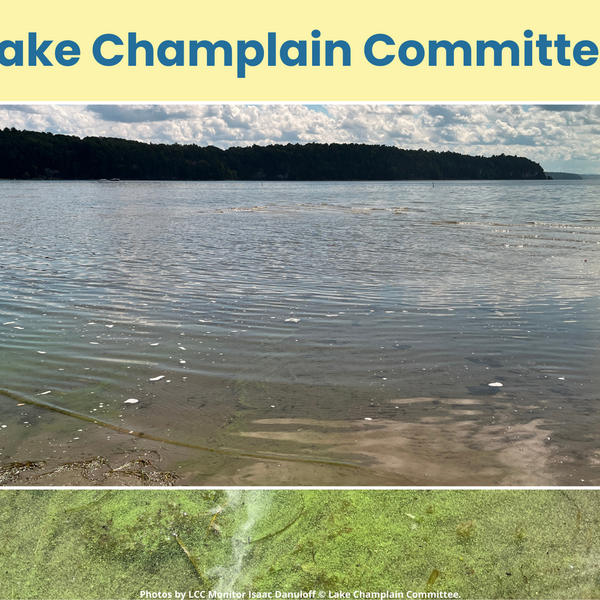
After the summer floods of 2023 and 2024, many in the Lake Champlain basin watched nervously for a third deluge this past summer. Instead, we got the opposite extreme: a drought, which brought lake levels to near record lows and exposed previously…
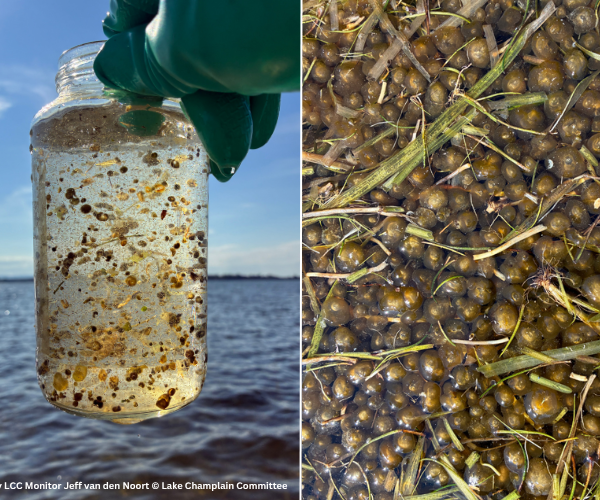
This summer, the Lake Champlain Committee partnered with Tetra Tech and launched a new project aimed at better understanding and monitoring benthic cyanobacteria blooms. Benthic cyanobacteria are a type of cyanobacteria that grow on lake bottoms and…
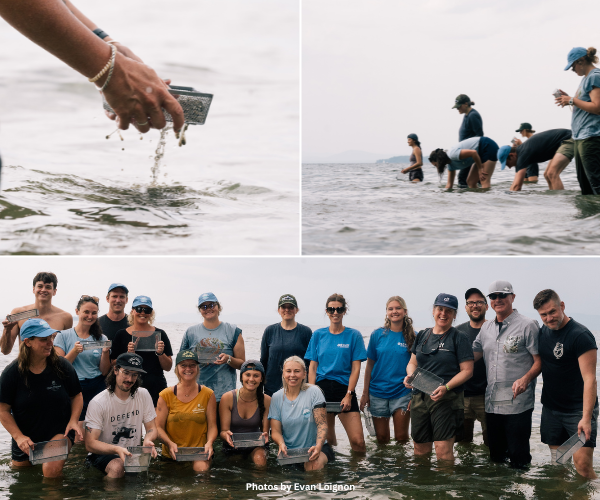
Back in August, LCC partnered with the team at Foam Brewers to survey for the invasive golden clam (Corbicula fluminea) at North Beach in Burlington, VT. LCC Water and Science Program Coordinator Lindsey Cookson trained the team on how to survey the…
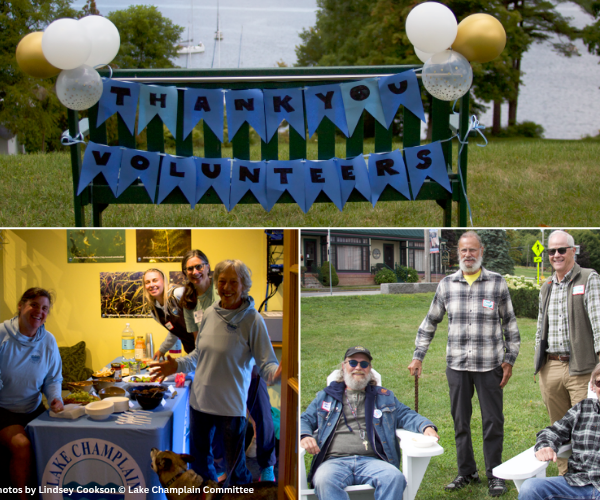
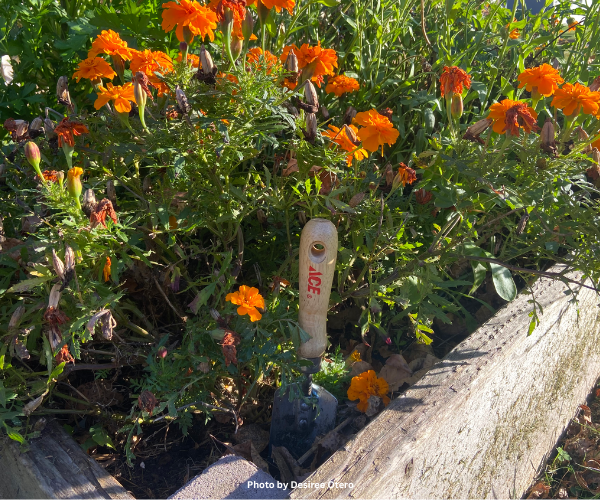
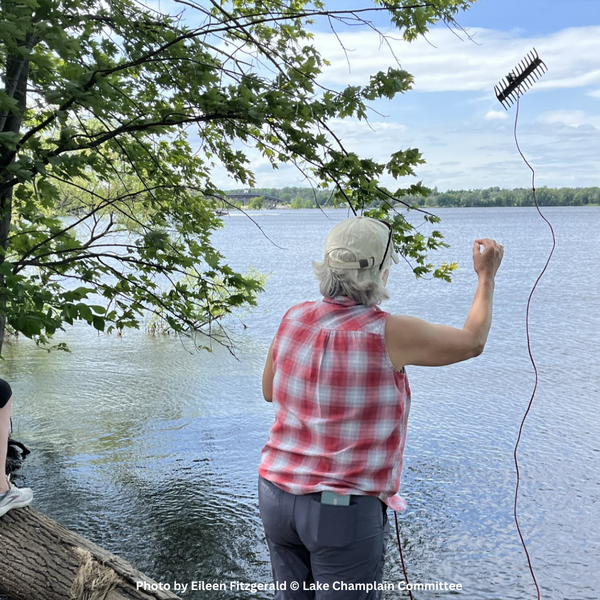
Volunteers are essential to LCC’s work, whether they are tossing rakes as CHAMP aquatic invasive species patrollers, advocating for lake health to legislators and state agencies, or diligently photographing and reporting cyanobacteria conditions each…
For the price of a pasta entree, you can get detailed insights on the makeup of your soil. A soil test can tell you about the nutrient levels, organic content, and pH (the soil acidity or alkalinity) of your lawn or garden area and what you need for…
In week 18 (10/12-10/28/2025) of the cyanobacteria monitoring season, we saw the lingering late-season bloom in North Hero, the vibrant green waters at Shelburne Pond, a swirl of green and teal at Graveyard Point, a bright surface bloom at North…
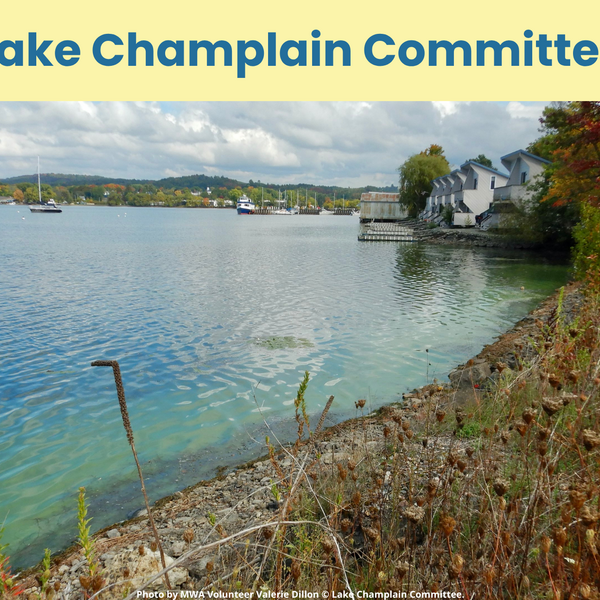
Even as fall advances and temperatures turn cool and crisp, cyanobacteria blooms continue to appear across Lake Champlain and Vermont’s inland waterbodies. This week, only low-alert blooms were observed in Lake Champlain, occurring in the Inland Sea…
With fall now underway, cyanobacteria blooms are still being observed in multiple sections of Lake Champlain and in inland Vermont waterbodies. This week, we saw a mixed bloom with different types of cyanobacteria at Graveyard Point, patchy…
Even with cooler temperatures and autumn colors setting in, cyanobacteria blooms are still showing up across Lake Champlain and nearby Vermont waterbodies. During Week 15, the Main Lake South experienced a notably high amount of blooms, while Lake…
The products we use to encourage prolific lawn growth may end up fueling less-welcome species, including cyanobacteria, when they end up in Lake Champlain.
Although fall is officially here, cyanobacteria blooms were still observed across Lake Champlain and several inland Vermont waterbodies during Week 14. While the overall number of reports was lower, blooms occurred in several key areas on Lake…
This week we saw a paint-like bloom at Venise-en-Québec shoreline, a green sheen bloom at Black Bridge in St. Albans Town, a faint green haze at North Beach in Burlington, an intense bright green layer at the U.S. Coast Guard Boat Access Ramp in…
During Week 12 (8/9 - 9/6/2025) of the cyanobacteria monitoring season, we saw paint-like green bloom at Philipsburg Boat Launch, dense mats coating the shoreline at Philipsburg, vibrant green waters at North Hero Marina, bright teal and green…
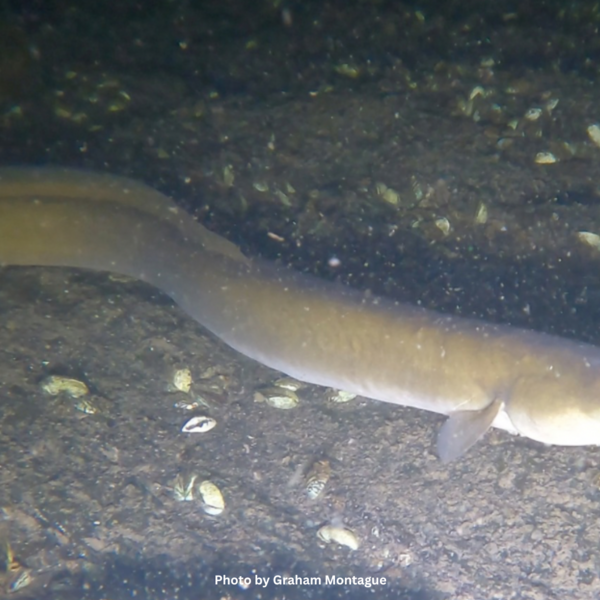
Under a velvety dark sky on the night of a new moon, an American eel (Anguilla rostrata) slithers from her watery home in Lake Champlain to embark on a fateful mission. To mate, she must venture on a journey that stretches north through the Richelieu…
This week we saw teal tinted waters at Parc Jameson, patches of green from a low alert at Graveyard Point East, green waters at Shelburne Pond, tiny cyanobacteria at Black Bridge in St. Albans, and specks of cyanobacteria at Graveyard Point West.
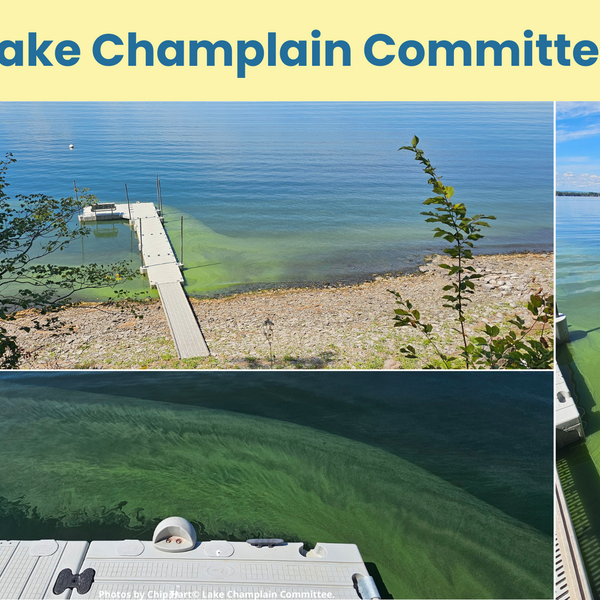
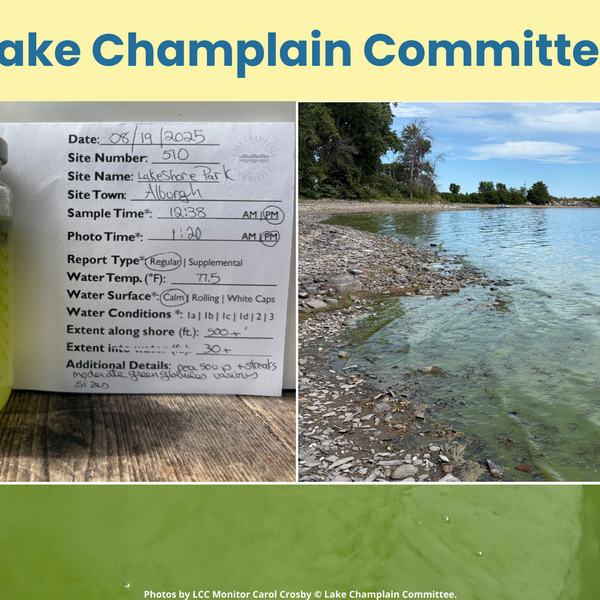
This week we saw bright green surface accumulations at Shipyard in Highgate Springs, thick swirling scums at Philipsburg, nearshore pea soup conditions at Lakeshore Park in Alburgh later in the week, patchy shoreline blooms at Graveyard Point in…
This week, we continued to see blooms in Missisquoi Bay and the Inland Sea, with additional reports scattered throughout the lake. While some areas remain clear, cyanobacteria is still present in several locations.
We saw blooms this week in the Inland Sea, Missisquoi Bay, Malletts Bay, and Main Lake North, along with reports from Lake Carmi and other inland lakes. Several sites also showed signs of blooms beginning to break down, with teal hues, wispy white…
We saw an increase in blooms during Week 7 of the cyanobacteria monitoring season (7/27 - 8/2/2025), with numerous reports coming from Missisquoi Bay and St. Albans Bay. Several sites also showed signs of blooms beginning to break down, with teal…
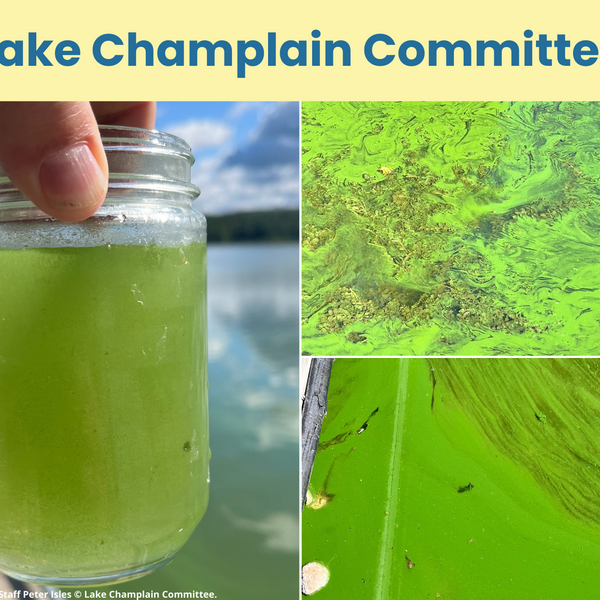
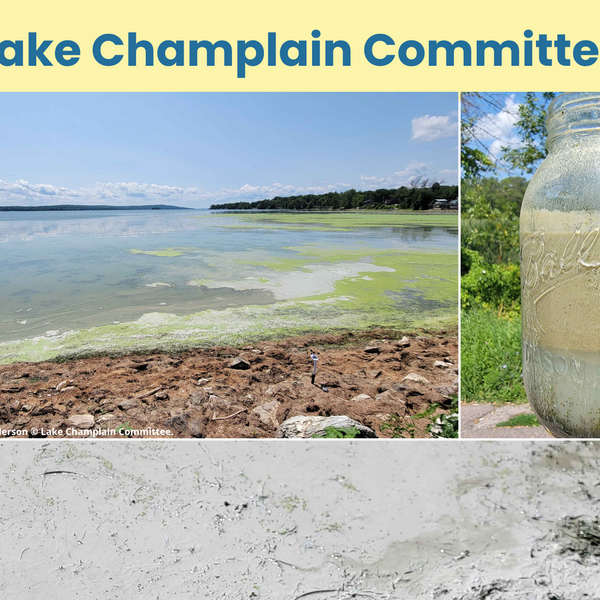
Thank you for signing up to receive the Lake Champlain Committee (LCC) Cyanobacteria monitoring reports! In this email, you will find details of Week 5 monitoring results. Click on the links to see a dense jar of cyanobacteria from a high alert bloom…
Thank you for signing up to receive the Lake Champlain Committee (LCC) Cyanobacteria monitoring reports! In this email, you will find details of Week 4 monitoring results. Click on the links to see a dense bloom at Corlear Bay, meet part of the…
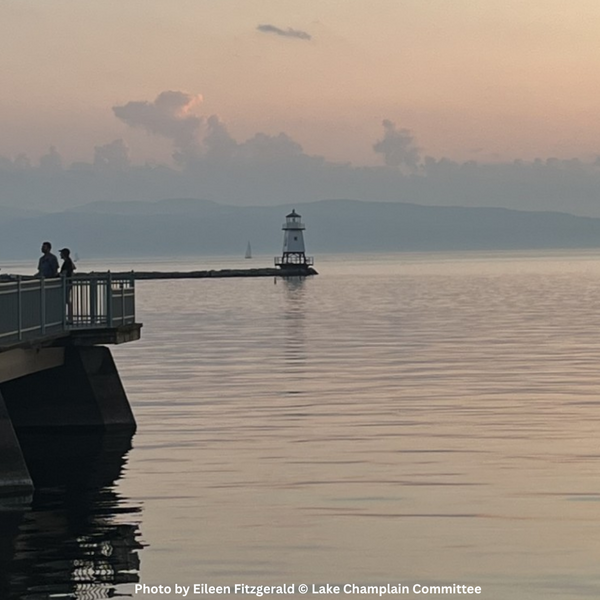
The day after a heat wave swept through the Champlain Valley, the clouds lifted to reveal a brilliant sunset over Lake Champlain. As LCC staff, board members, volunteers, colleagues, and friends gathered at the St. John’s Club in Burlington, the…
In 2023, LCC started the Champlain Aquatic invasive Monitoring Program, aka CHAMP. Through this program, we train, support, and empower community scientists from all around Lake Champlain to identify and survey for aquatic invasive species. In 2024,…
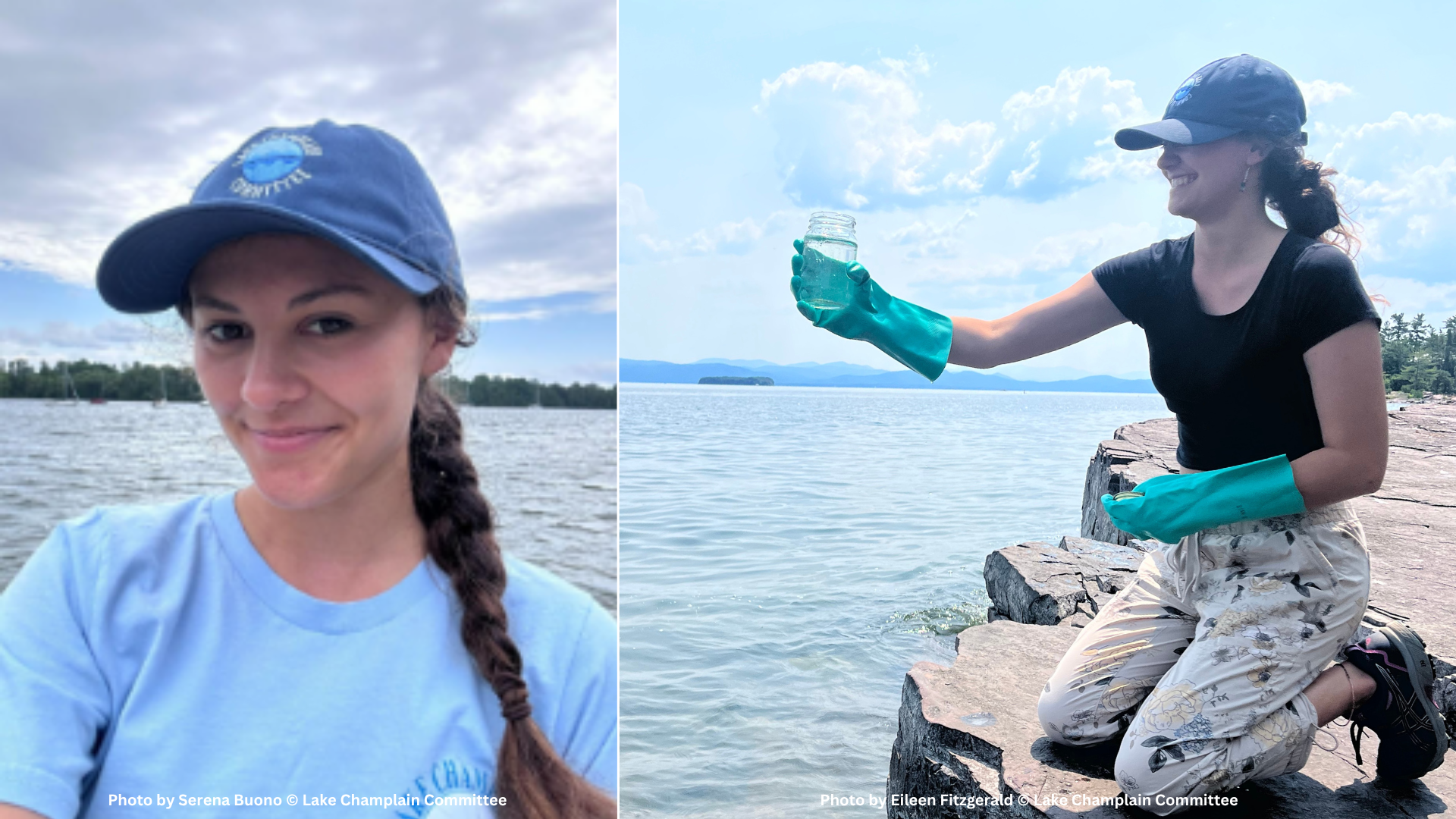
We are thrilled to welcome Serena Buono to the LCC team as our summer intern! Always a fan of the lake and the comforting skyline of tall mountains, Serena decided to move up from her home in Long Island, NY to study and protect the ecosystems she…