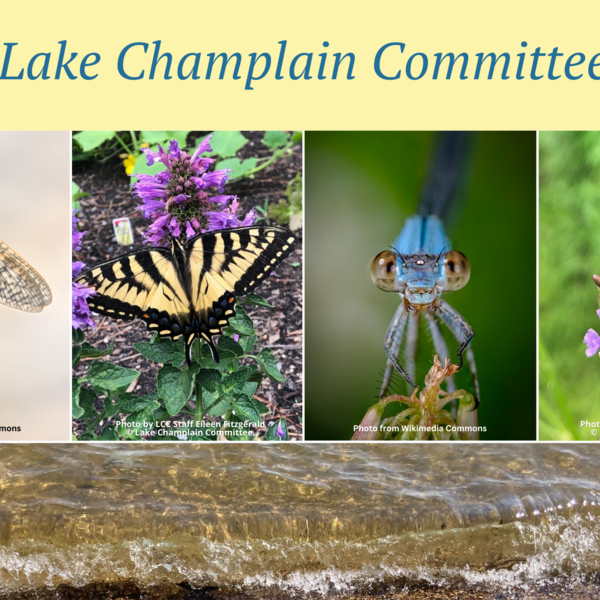
LCC is working with a coalition of partners in support of Vermont legislation to protect pollinators and water ecosystems by dramatically curtailing the use of “neonics”. H.706 would phase out up to 90% of neonics over the course of the next five…
Dozens of beekeepers, students, conservationists, environmental advocates, and pollinator enthusiasts of all sorts gathered at the Vermont State House today to make the case for providing greater protections for pollinators and aquatic ecosystems.…
March 2024 - Neonicotinoids, or "neonics" are versatile chemical pesticides that can be treated on a plant’s seeds so they’re built into the plant as it grows. As research continues to emerge on the harms that this class of chemicals has to the…
What effect did the floods of Summer and again in December in 2023 have on fish? We talked with Will Eldridge from Vermont Fish and Wildlife to see what these floods did for fish from the headwaters to the lake.
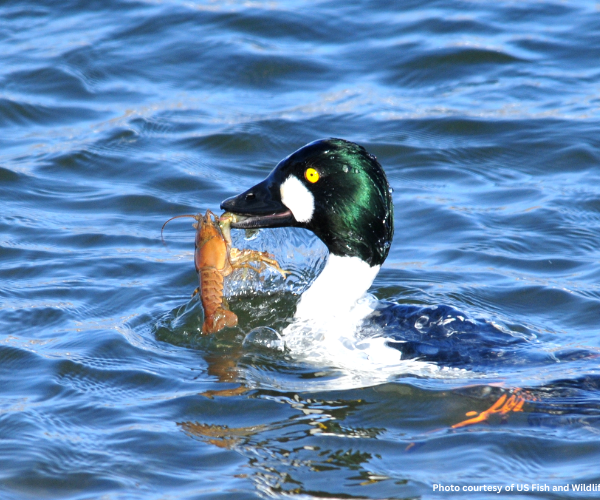
The four seasons of bird watching in the Northeast US: Elegant Songbird Spring, Subtle Treasures of Summer, Magnificent Fall Migrations, and the season we are now in—Weird Duck Time.
The time of year for winterization is upon us: we seal windows, run heaters, open boxes of coats and mittens, and dust off sleds and skis. These are all strategies that humans in colder climes like the Lake Champlain basin employ for winter survival…
The Lake Champlain Committee (LCC) and the Vermont Citizens’ Advisory Committee (VT CAC) invite you to the Lake Champlain Community Sailing Center on Monday, 11/13/23 at 5:00 PM to learn more about lake issues and how Lake Champlain was affected by…
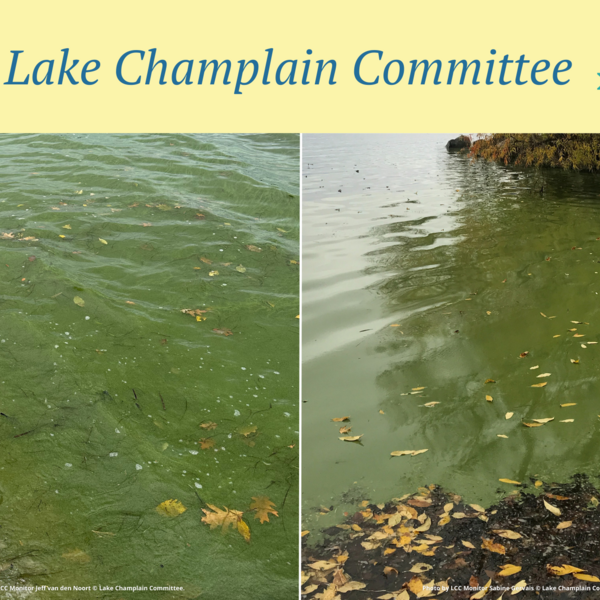
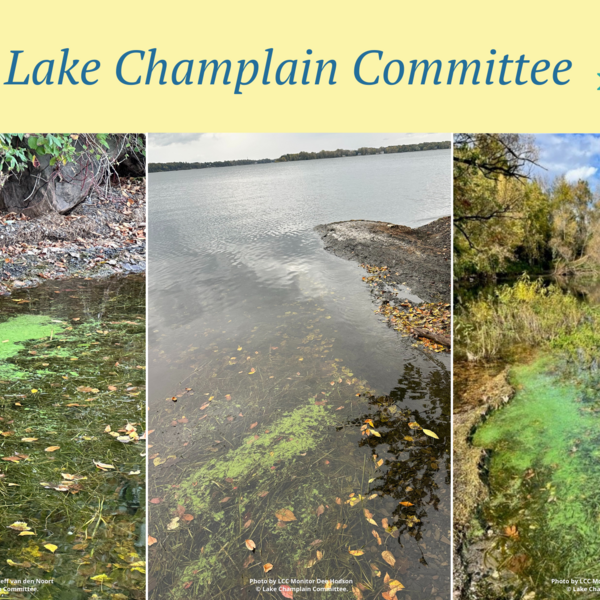
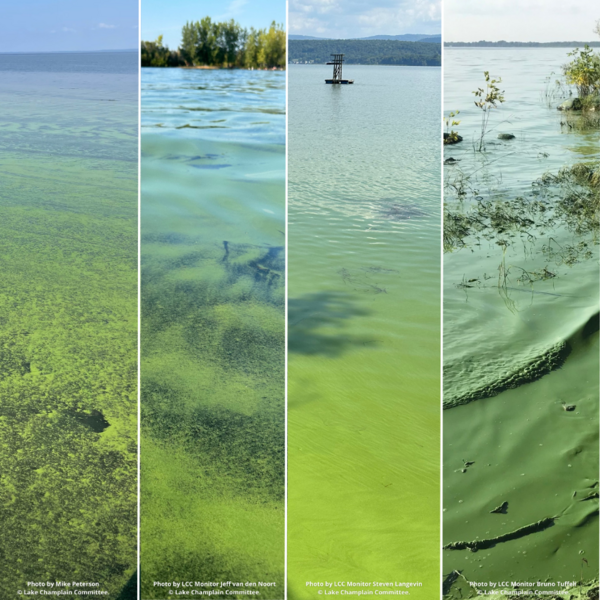
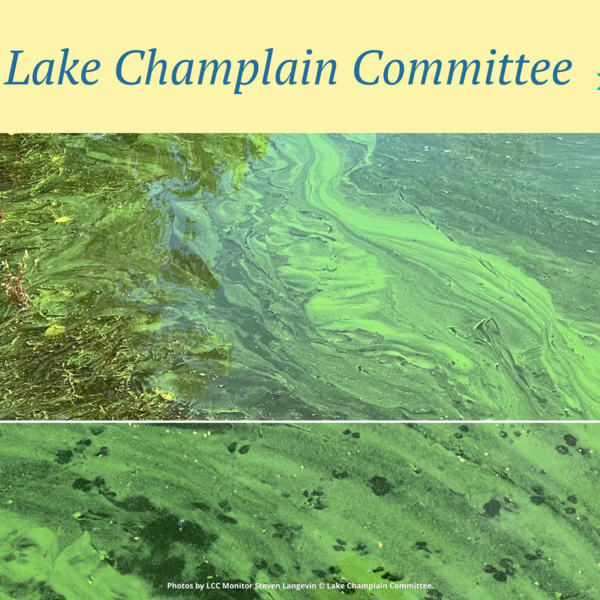
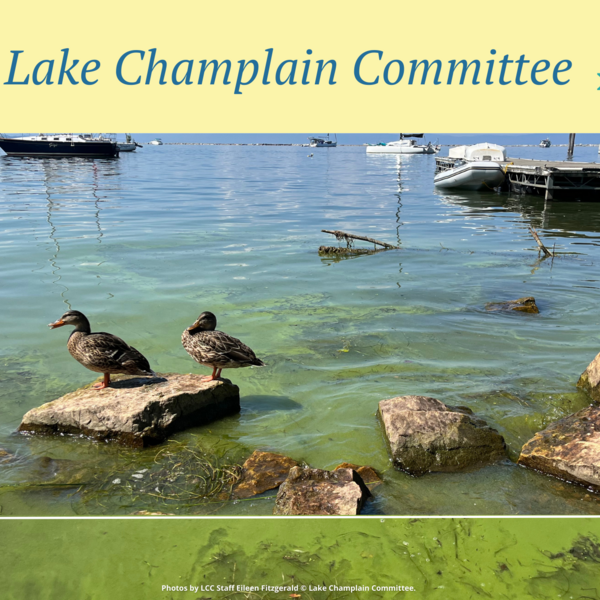
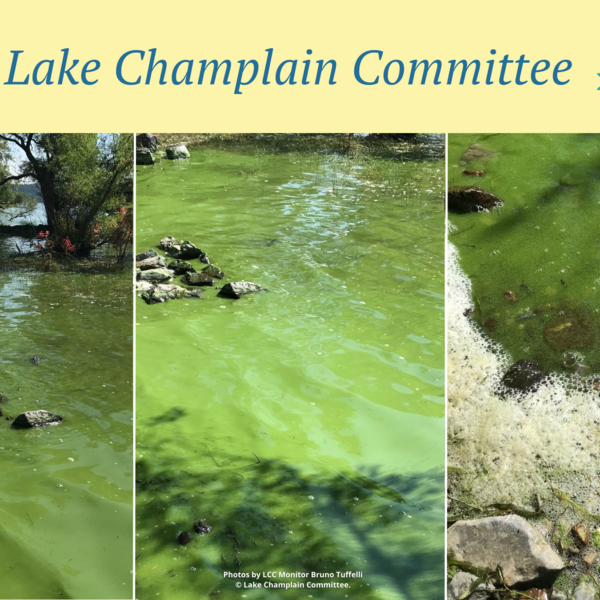
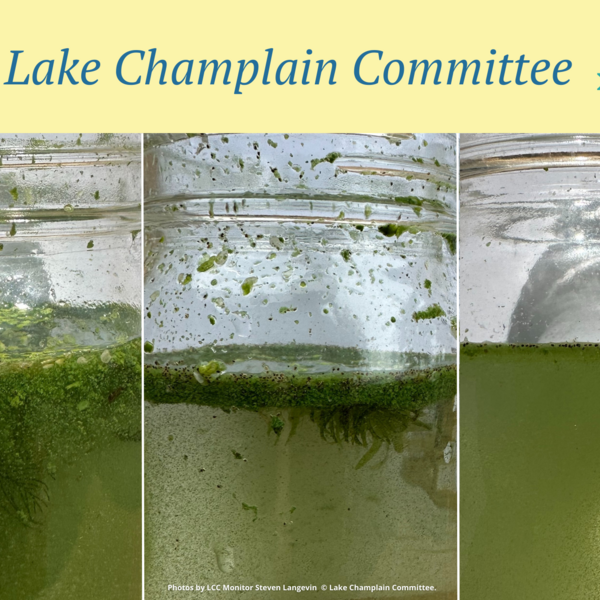
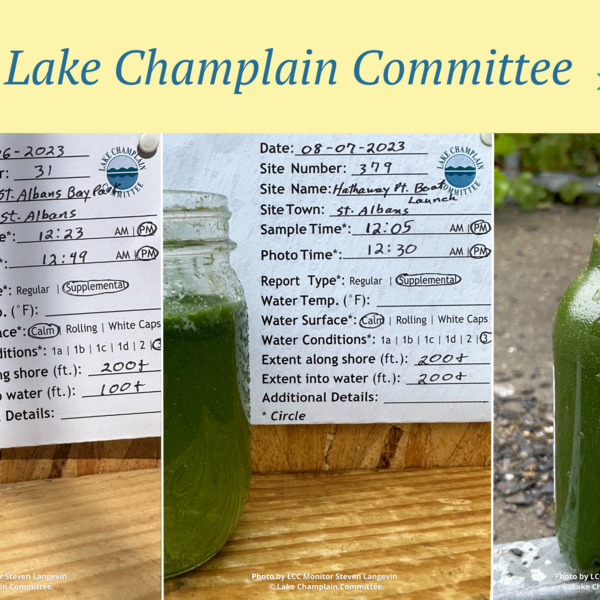
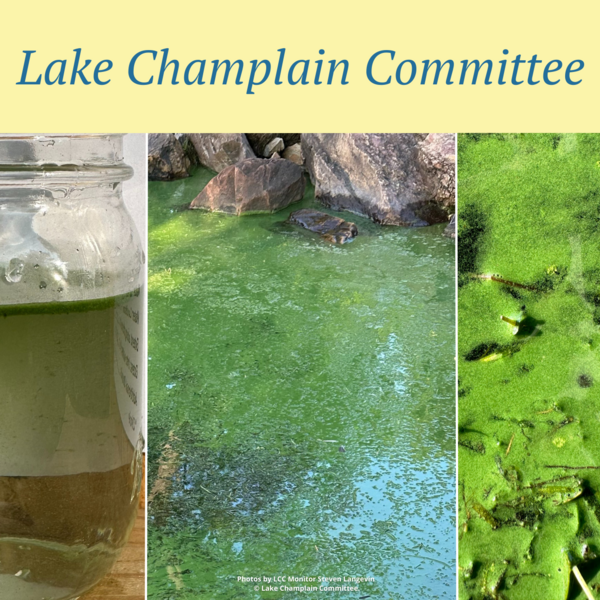
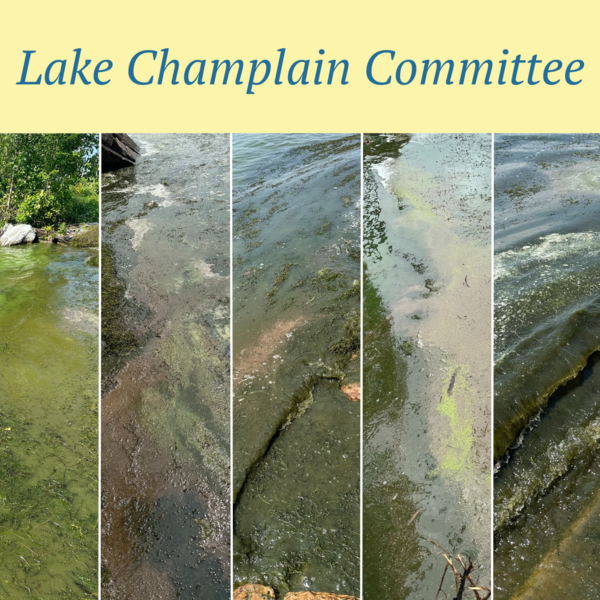
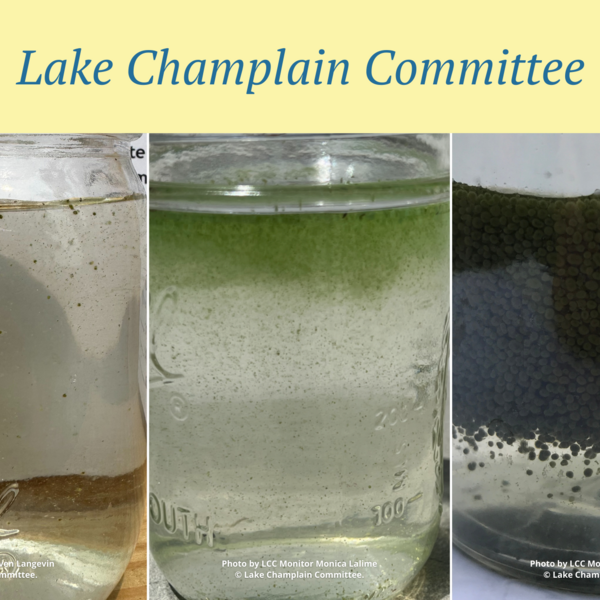
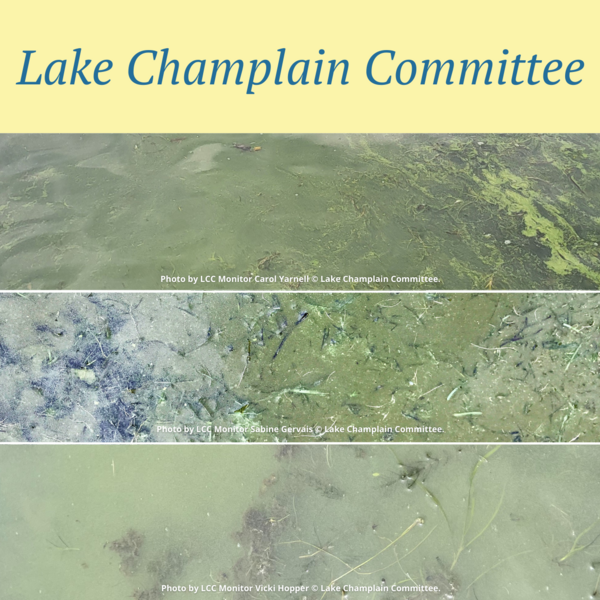
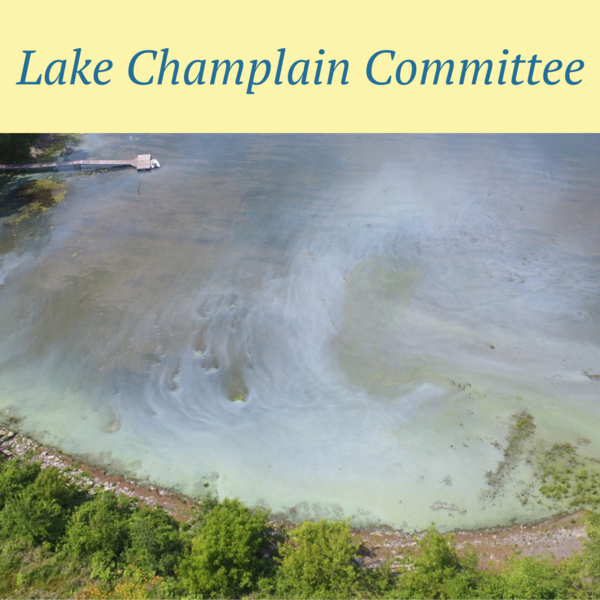
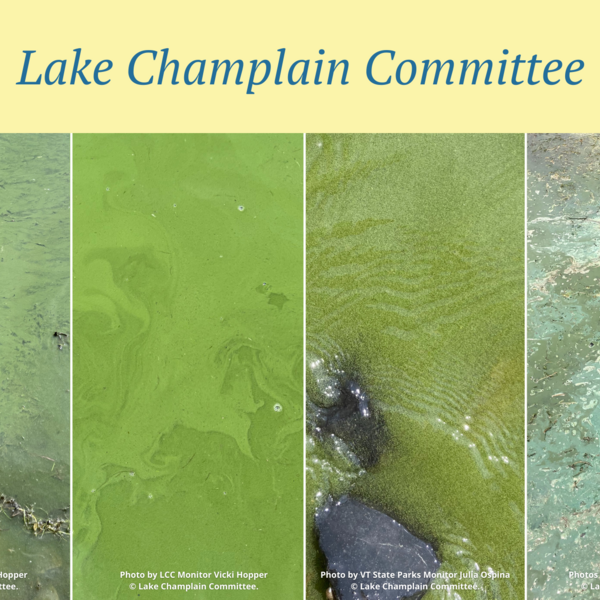
From afar, a patch of bright green on any body of water is cause for alarm: we are too used to the sight of cyanobacteria plaguing shallow waters close to shore. But get closer to determine what you’re seeing. It may be neither cyanobacteria nor…
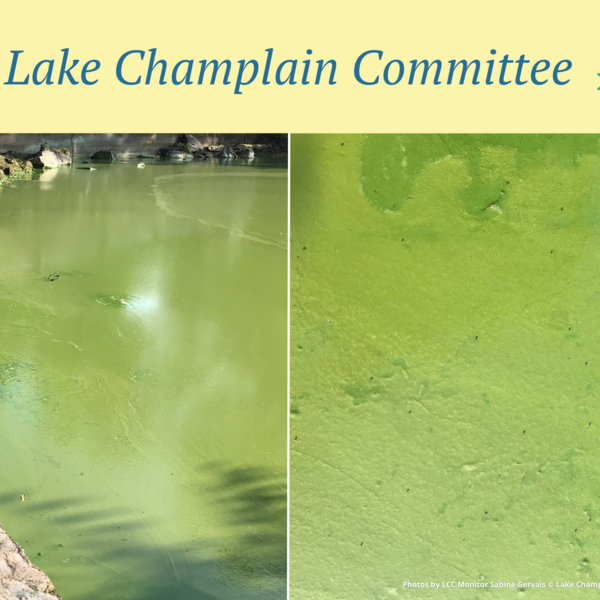
In this email you’ll find details of Week 18 monitoring along with information to help you recognize and report on cyanobacteria. Click on the links for scenes of fall blooms on Lake Champlain’s Inland Sea and Missisquoi Bay; a low alert bloom at…
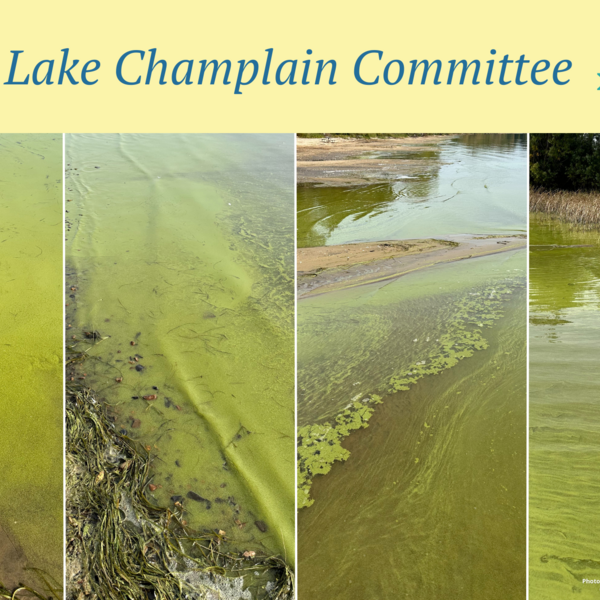
Brrr! It’s getting chilly in and around our waterways as fall fully takes hold. However, cyanobacteria blooms are still happening at various Lake Champlain and inland lake locations. Please use the resources in this email to learn how to recognize,…
While reports continue to dwindle as more monitors leave shoreline areas, we continue to see blooms. Please use the resources in this email to learn how to recognize, avoid, and report cyanobacteria. Click on the links for how to join our monitoring…
Fall is a time of year when we have far fewer monitors reporting but blooms can still occur. This email includes details of Week 15 monitoring results along with resources to help you recognize cyanobacteria and stay informed about water quality.…
Fall is a time of year when we have far fewer monitors reporting but blooms are still prevalent. Forty-three percent of the Lake Champlain reports and 8 percent of the VT inland lake reports we received for Week 14 were of blooms. Please use the…
Week 13 was a challenging one as blooms took off in new areas and persisted in others and the online reporting system overseen by the VT Dept. of Health (VDH) was not accessible for several days while IT staff worked to resolve issues. This meant…
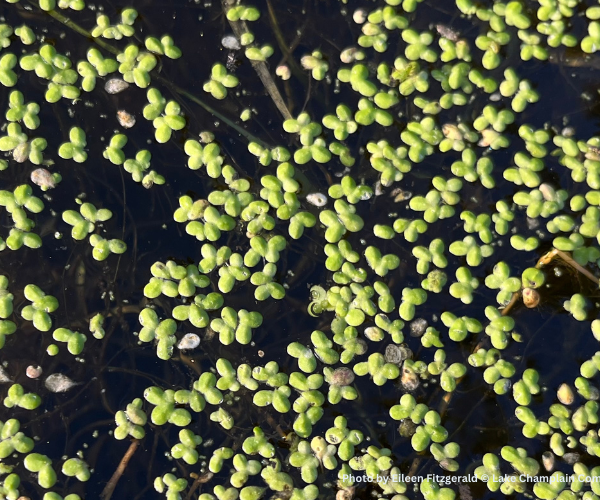
Lake Champlain currently has 51 known aquatic non-native and invasive species of plants, fish, mussels, and other freshwater dwellers. Invasive species are both non-native, or introduced to an area outside the range in which they evolved, and…
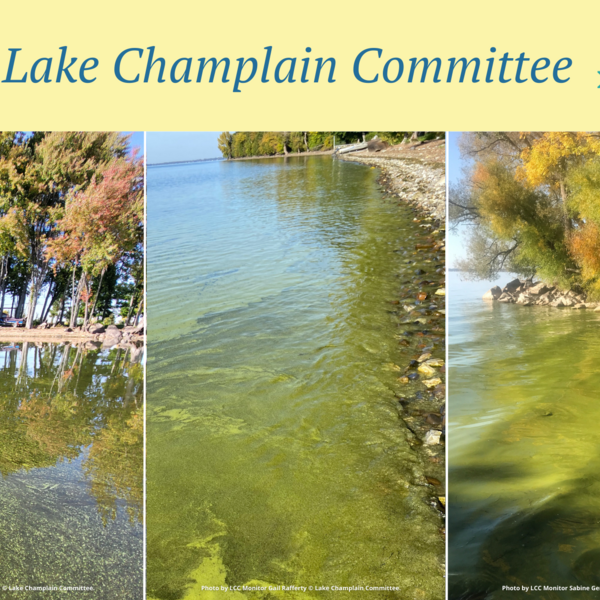
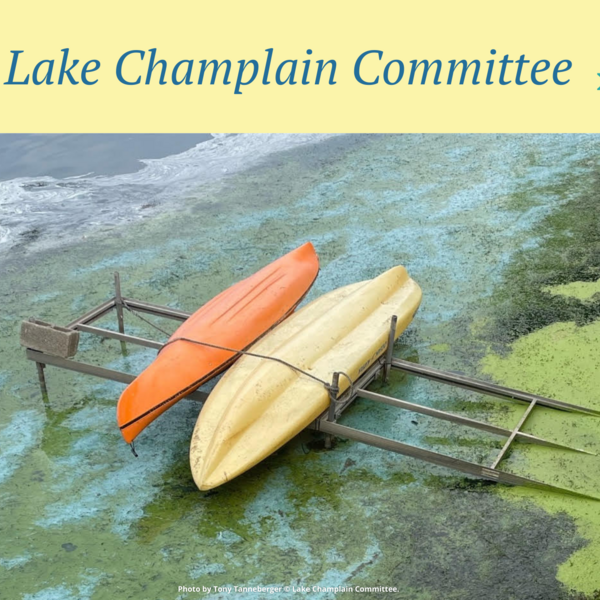
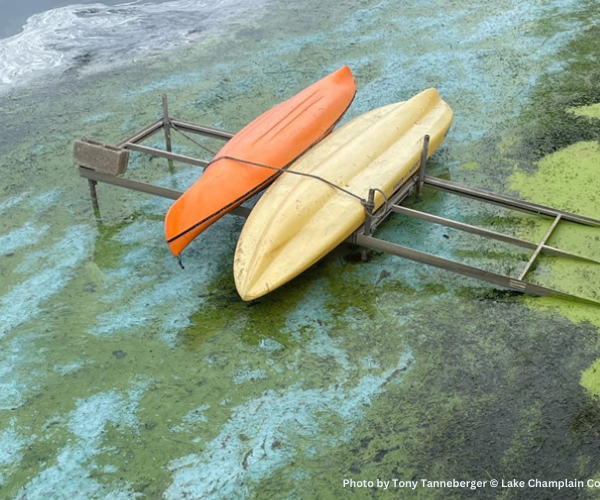
Hints of color are starting to show in the Adirondacks and the Green Mountains as we move into fall. Another dramatic show of color that elicits less awe and more concern has been in the lake between these mountains since early summer—the blues and…
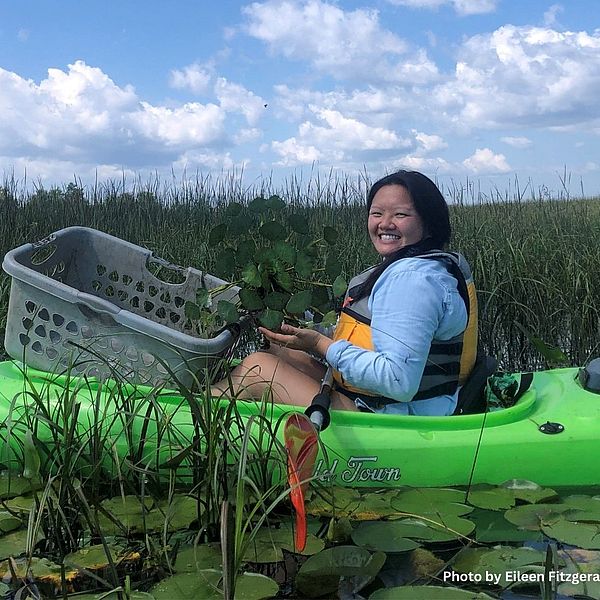
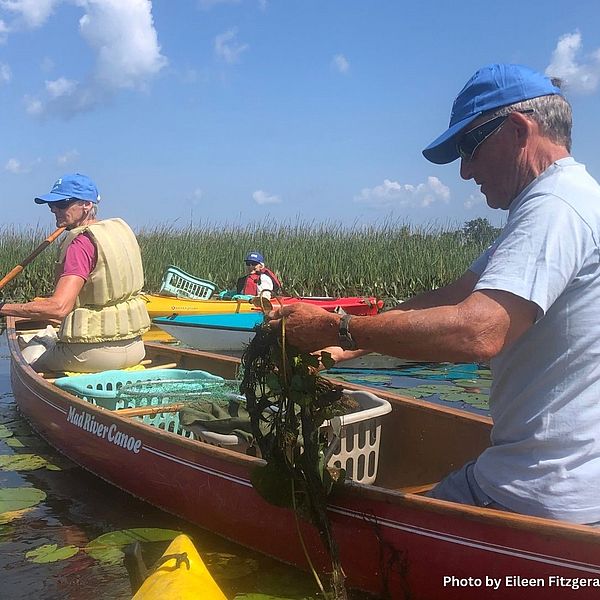
Gardens were not the only places being weeded in August—LCC hosted a water chestnut removal event with the Vermont Department of Environmental Conservation at the Sandbar Wildlife Management Area in Colchester, VT. Volunteers spent the morning…
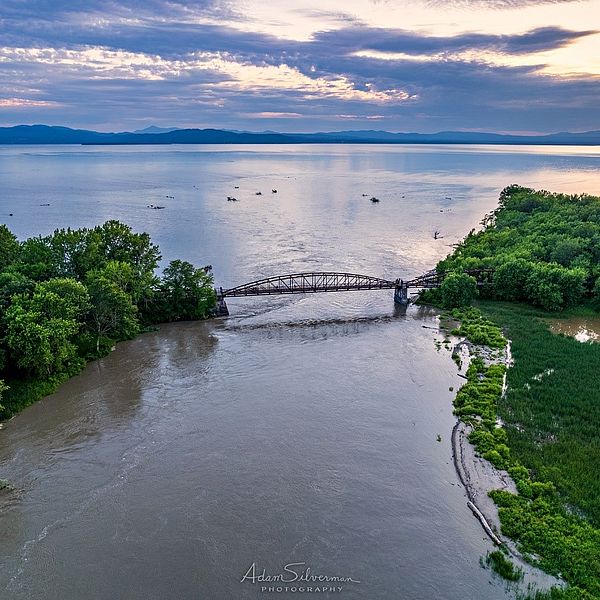
The Summer 2023 floods brought devastation to so many throughout the Lake Champlain Basin—they inundated homes and businesses, destroyed crops and livelihoods, and washed away roads. On paper, it will be a costly recovery, but the true cost of the…
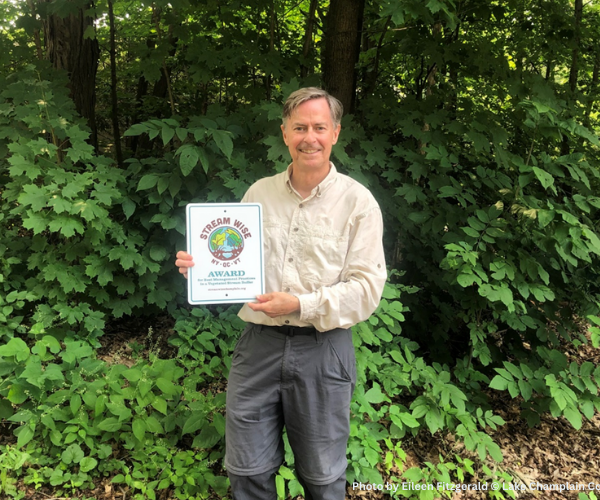
The Lake Champlain Committee is a partner in a new program called Stream Wise. Organized by the Lake Champlain Basin Program, Stream Wise is a way for people who live near streams and rivers to be recognized and rewarded for maintaining a healthy…
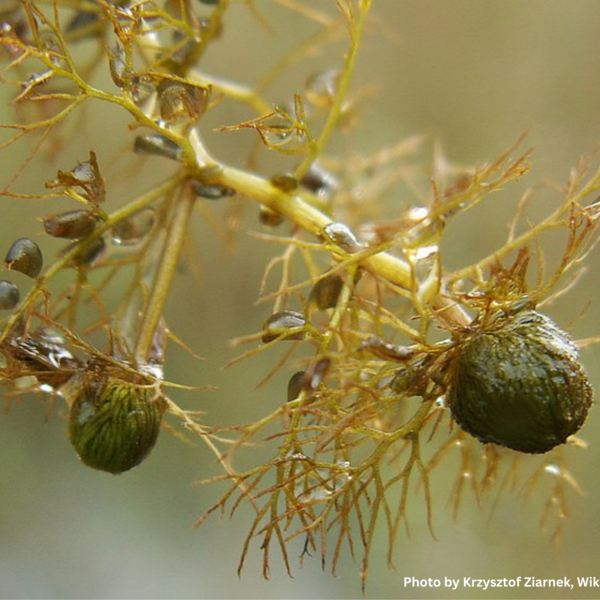
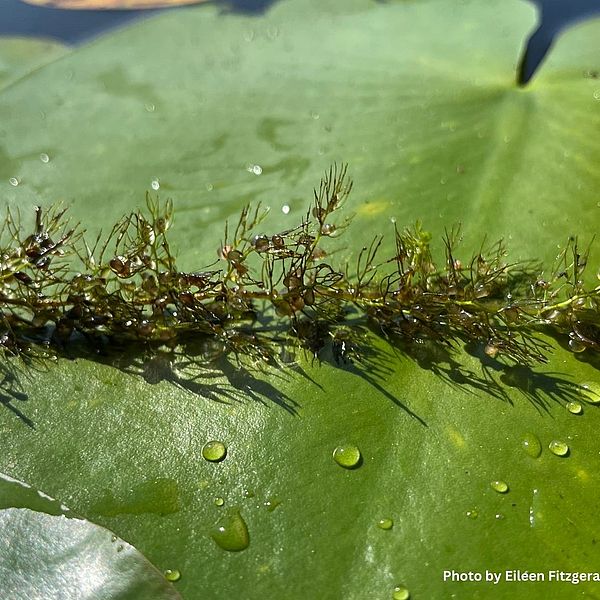
In the shallow shores of Lake Champlain, a predator who engulfs its prey in milliseconds floats just below the surface, waiting for the next unlucky victim. It is neither freshwater shark nor sinister cryptid cousin to Champ, but actually a seemingly…
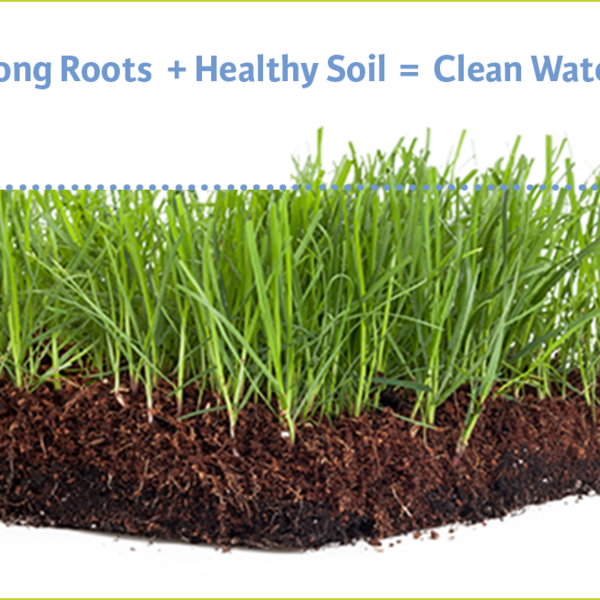
For those who tend lawns, there are still a few more weeks until mowing season shifts to raking season. As such, there is time to make simple yet impactful changes to your lawn maintenance that will benefit soil health, water quality, and save you…
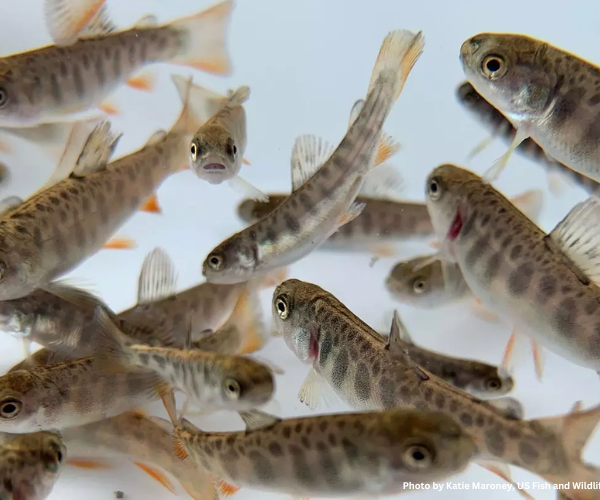
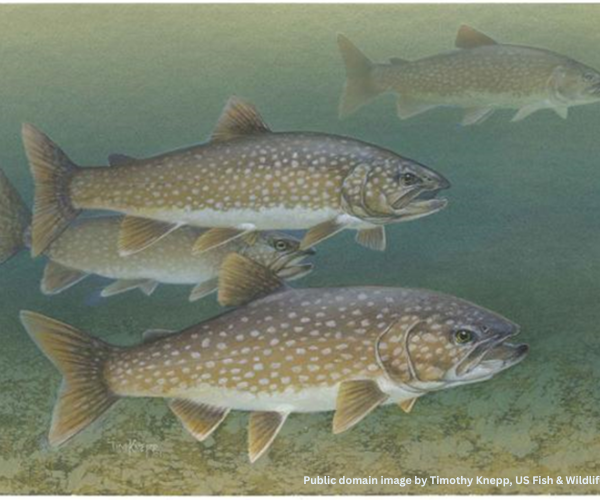
The story of lake trout in Lake Champlain is one of mystery and hope. In spring 2023, the Lake Champlain Fish and Wildlife Management Cooperative – a working group of fisheries professionals from the New York State Department of Environmental…
We had fewer reports during week 12 in part due to a lower incidence of blooms but also because municipal and state parks are closing and seasonal staff and volunteers are leaving the region so there are fewer monitors reporting as summer ends.…
It was another challenging week for water quality with nearly half of the 188 reports received from Lake Champlain sites chronicling blooms during week 11. Hot temperatures over the Labor Day weekend spurred cyanobacteria growth and blooms were…
During week 10 of cyanobacteria monitoring over a third of the 148 Lake Champlain reports received were of blooms. Blooms were dominant again in St. Albans Bay and Missisquoi Bay but also colored waters and shoreline areas in parts of the Inland Sea,…
Blooms continued to dominate Lake Champlain monitoring reports from St. Albans Bay and Malletts Bay during week 9 and were also recorded in Missisquoi Bay, the Inland Sea, Main Lake North, and Main Lake South. Main Lake Central and the South Lake…
It was another week of bloom gloom at many northern Lake Champlain sites. The majority of reports from St. Albans Bay, Missisquoi Bay, the Inland Sea, St. Albans Bay, and Malletts Bay sites were of bloom conditions. Main Lake North also had a…
Another challenging week for St. Albans Bay with blooms dominating the reports for that section of Lake Champlain yet again. Blooms were also witnessed in Missisquoi Bay, the Inland Sea, and Main Lake North. Other sections of the big lake were…
Blooms hit St. Albans Bay hard again with cyanobacteria persisting at some locations all week long or showing up off and on during the sixth week of monitoring. August and September are often prime times for bloom conditions so please use the…
Take your gardening skills to the water! Join the Lake Champlain Committee (LCC) and the VT Department of Environmental Conservation for a hands-on activity to remove the invasive water chestnut from the shallow water areas around Sandbar Wildlife…
Blooms took off during week 5 in many areas of Lake Champlain’s St. Albans Bay closing the town beach and impeding recreational use for most of the week. Blooms also showed up at several Burlington sites in Main Lake Central but didn’t persist for as…
The floods of July 2023 brought devastation to so many throughout the Lake Champlain Basin—they inundated homes and businesses, destroyed crops and livelihoods, and washed away roads. Rivers throughout the basin rushed to levels not seen in nearly…
It has been two weeks since flooding devastated many communities in the Lake Champlain watershed and throughout the state of Vermont. The heavy rains lasted for days and sent rivers and streams over their banks, pouring into homes and businesses and…
There were fewer blooms during week four than during the first two weeks of monitoring but we are not in the heart of bloom season yet. We also likely saw a reprieve in some areas due to the turbidity and dilution factors from the flooding. However,…
Far fewer bloom reports were received during Week 3 of the cyanobacteria monitoring season. This is largely attributed to the volatile weather patterns and the increased turbidity from the flooding that affected much of Lake Champlain as well as…
Week 2 of cyanobacteria monitoring began with another spate of bloom reports and ended with catastrophic flooding which has devastated communities in the Lake Champlain watershed and throughout the state of Vermont. We hope you are safe, healthy, and…
Lake Champlain has one particular quality that sets it apart from its Great Lake neighbors. The Lake Champlain Basin has the highest ratio of land to water; in other words, it has the greatest amount of land draining to the smallest area of water.…
Cyanobacteria Monitoring began the week of June 25 and will run through early fall. Subscribers to our emails will receive weekly updates about conditions monitors are finding on Lake Champlain and at many inland lakes. This week’s report covers…
June 2023 - Summer breathes life into the Champlain Valley—trees leaf, insects hum, and birds come back to their summer homes. Among this annual reawakening of ecological activity is cyanobacteria. With longer and sunnier days warming the lake,…
In March of 2023, the Lake Champlain Fish and Wildlife Management Cooperative – a working group of fisheries professionals from the New York State Department of Environmental Conservation, the Vermont Fish and Wildlife Department, and U.S. Fish and…