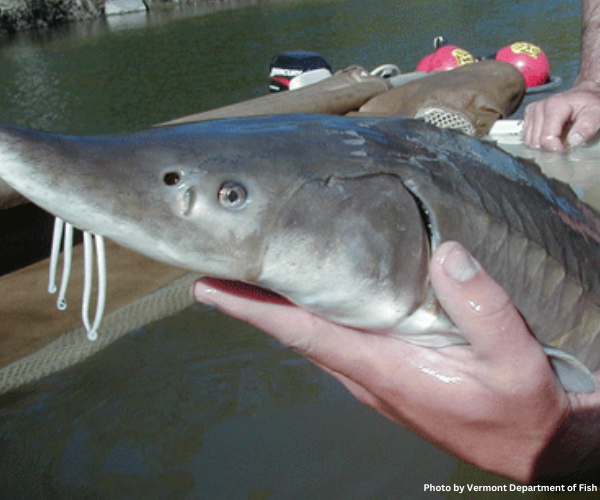
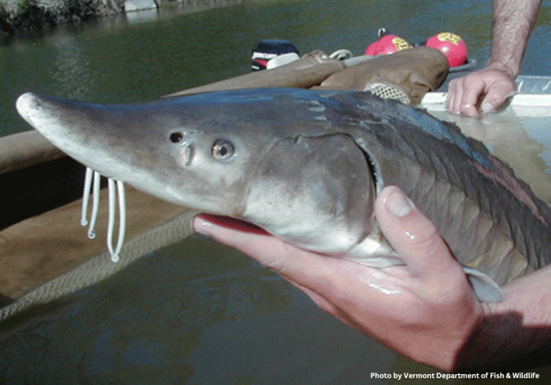
Lake sturgeon are fish with a lot of superlatives. They have been on Earth longer than any flowering plant, can grow to the standing height of an adult man, and live to be supercentenarians in the right conditions a complicated relationship with…
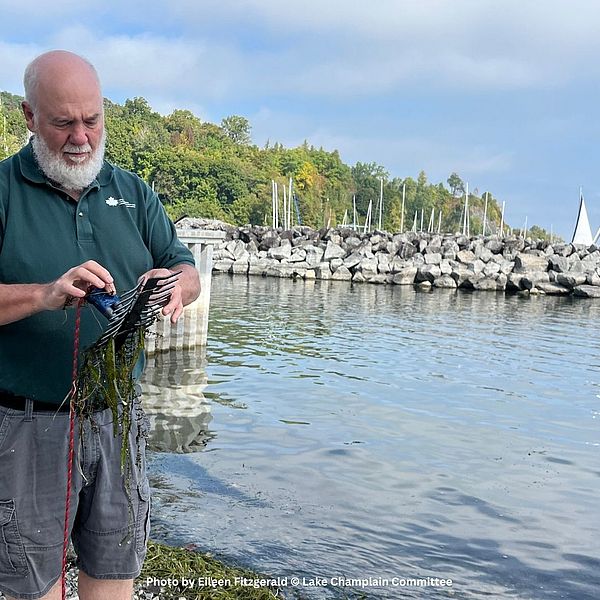
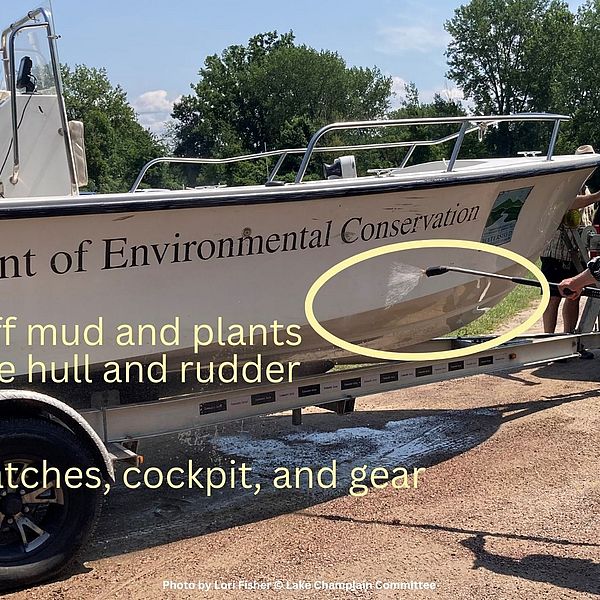
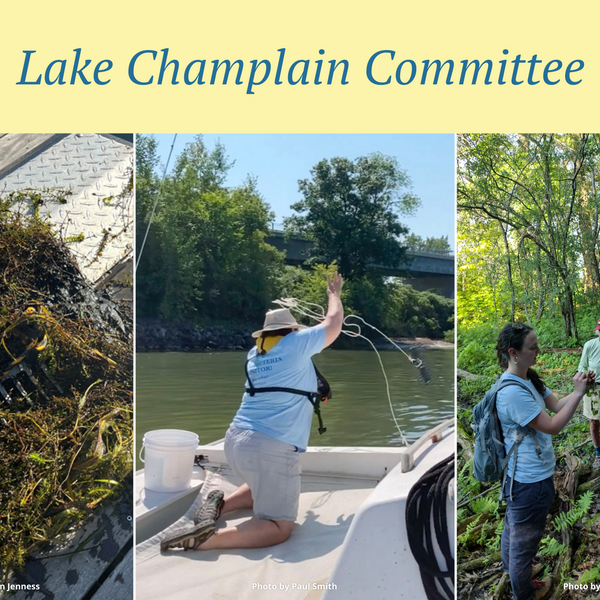
Aquatic invasive species (AIS) are among the major challenges facing Lake Champlain—they reduce biodiversity by outcompeting native species and disrupting ecological processes, and they can proliferate to impact water quality and recreation. LCC…
Humans are the main conveyors of most aquatic invasive species, moving them from one body of water to another. Many of these troublesome plants and animals can be unintentionally transported on fishing gear, boating equipment, or even tiny amounts of…
In June 2024 the Lake Champlain Basin Program -- the entity that coordinates and helps fund implementation of the Lake Champlain restoration and management plan in partnership with New York, Vermont, and Quebec government agencies – released its 2024…
The Lake Champlain basin is full of stories that educators can use to teach all subjects, engage students in learning about their community, and integrate content, service, and a sense of belonging to their home watershed. To delve into these stories…
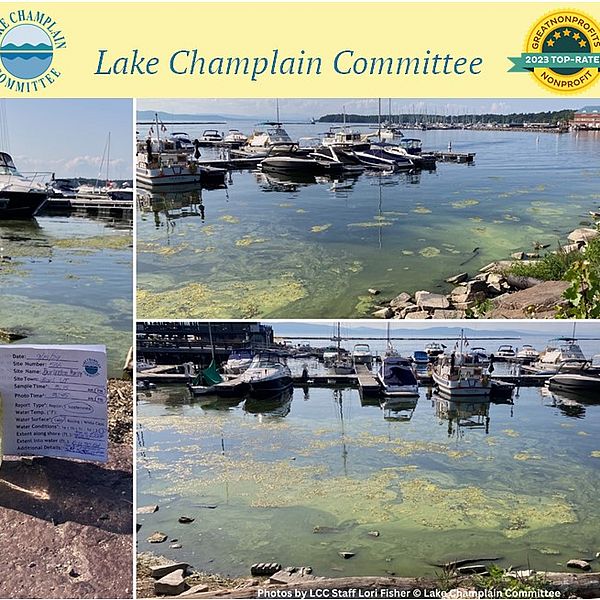
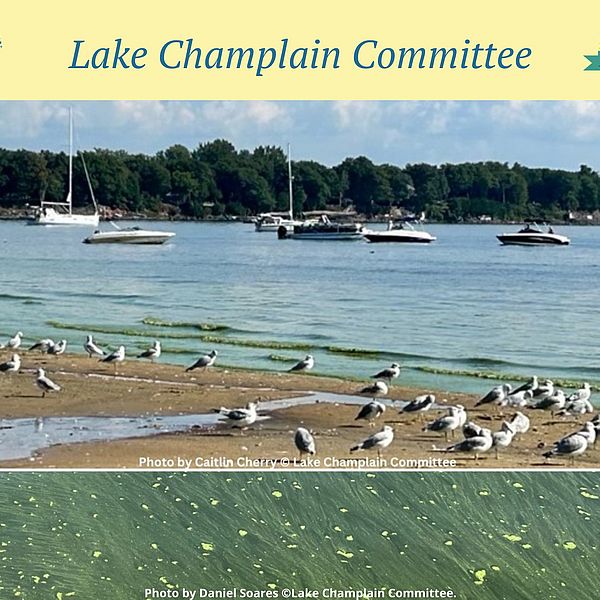
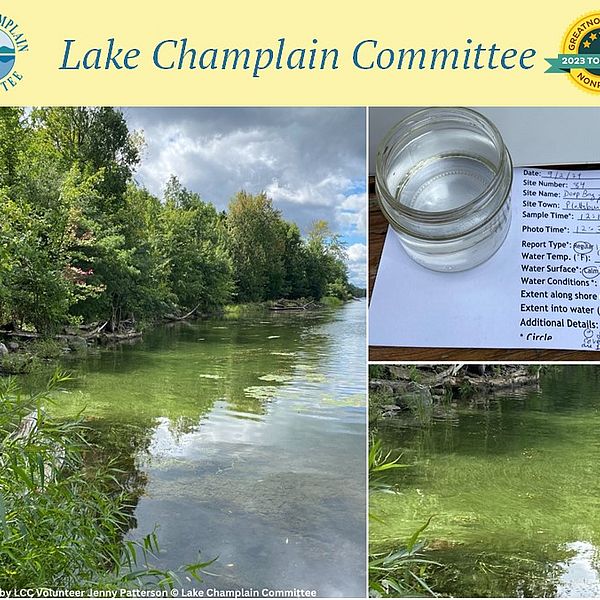
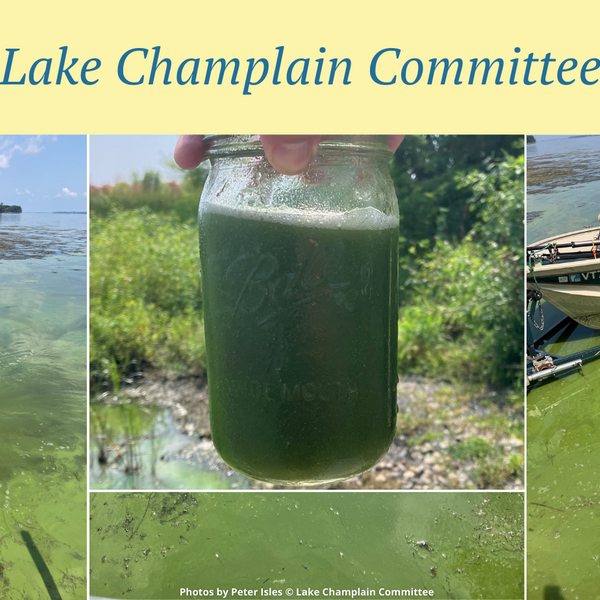
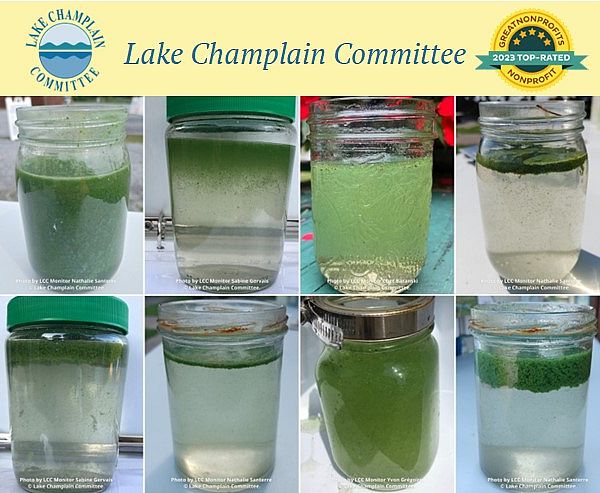
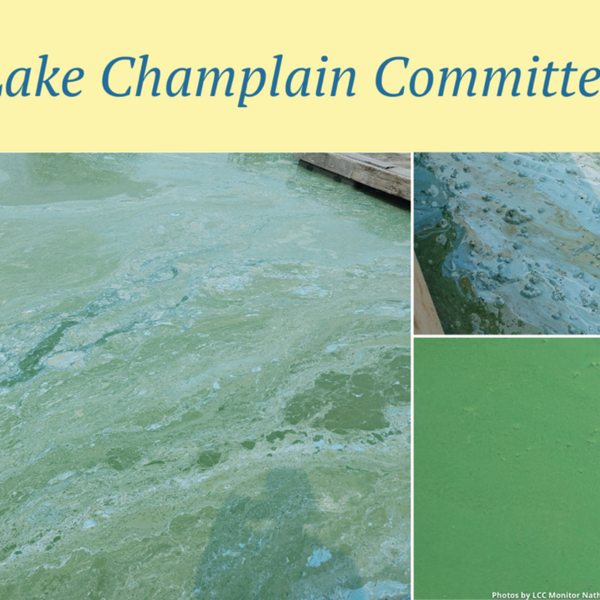
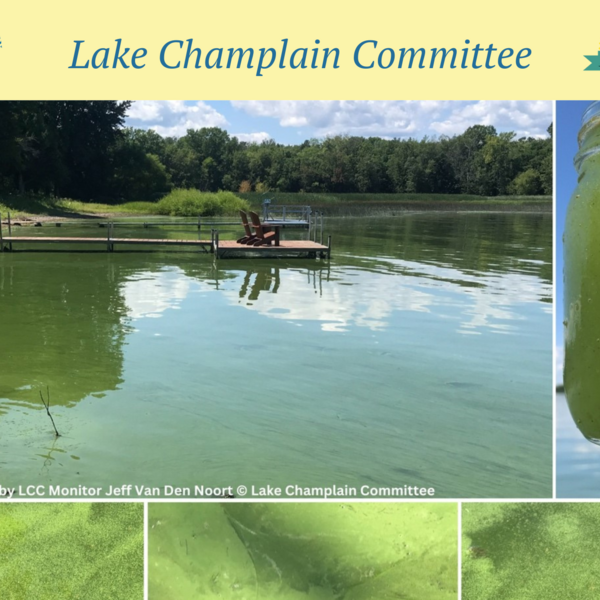
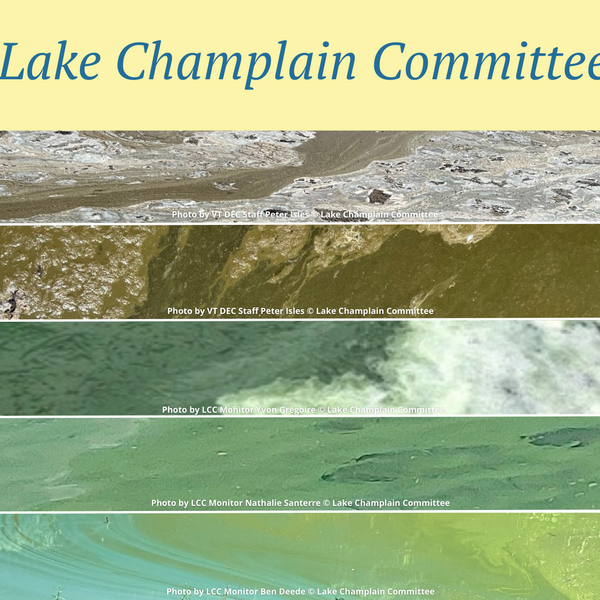
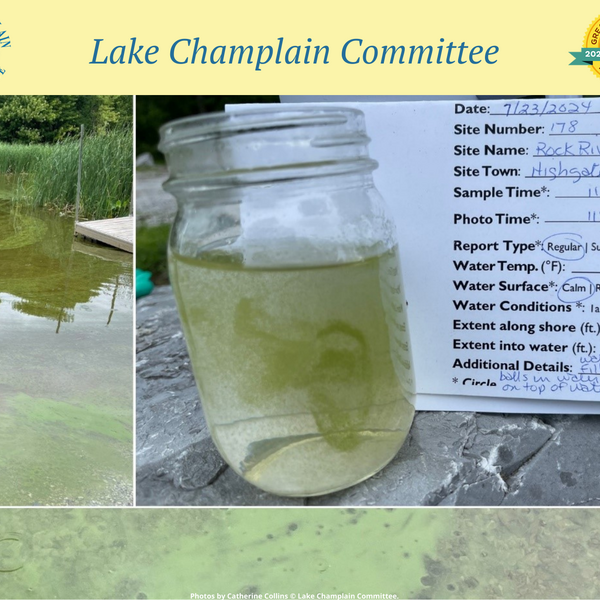
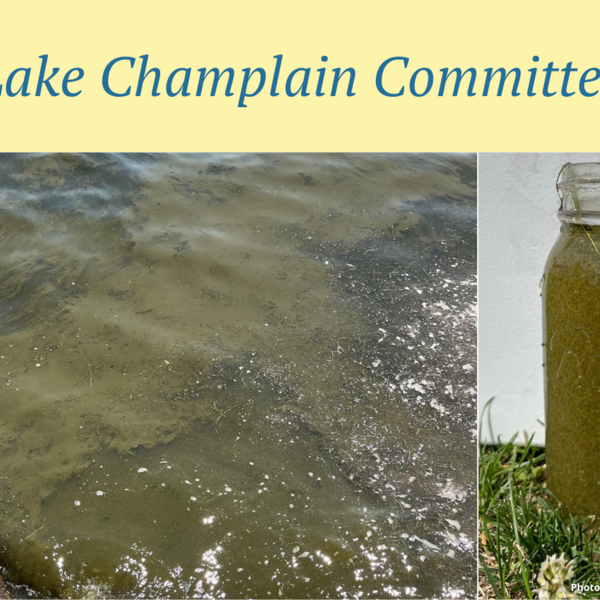
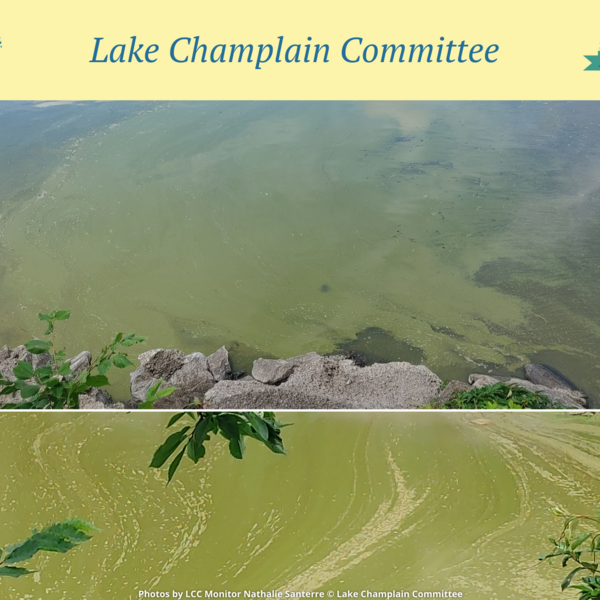
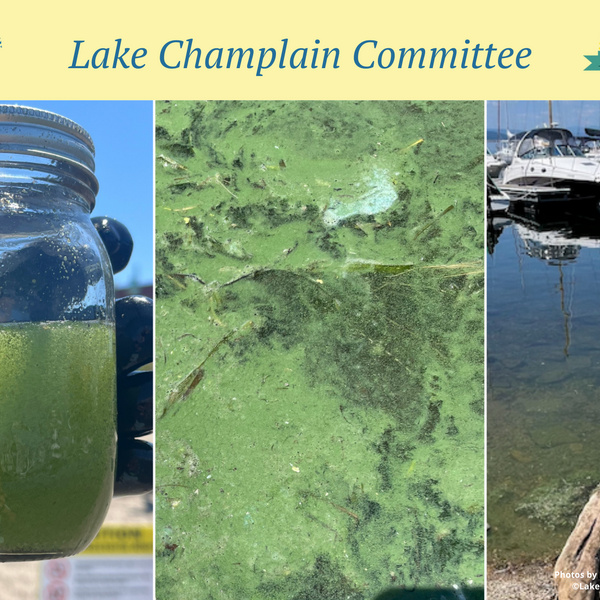
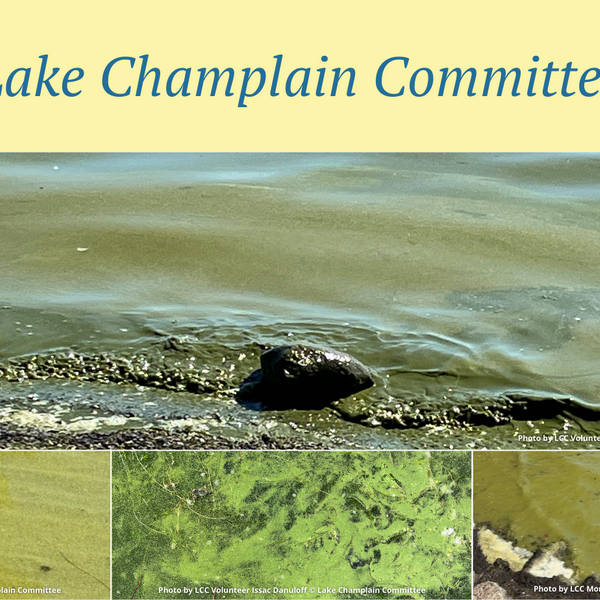
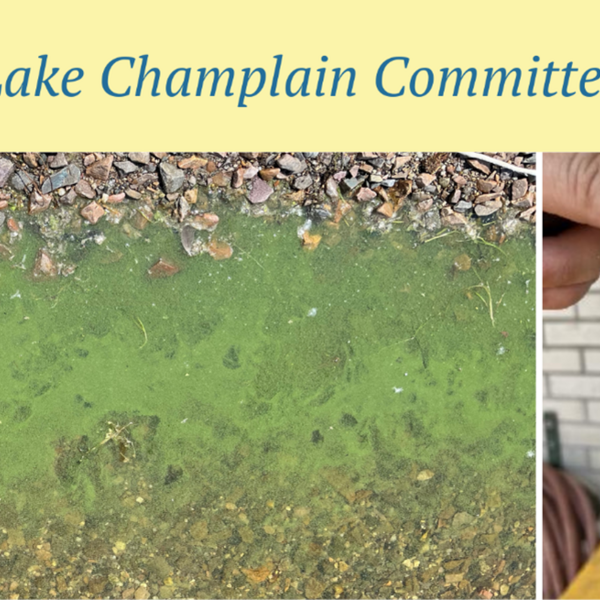
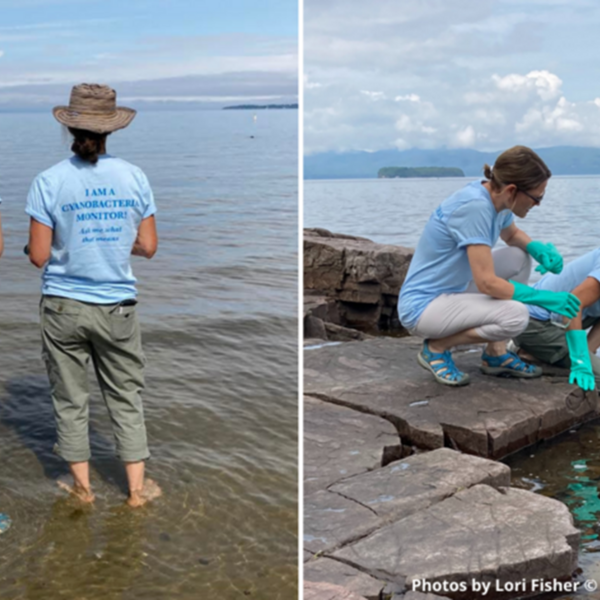
Cyanobacteria naturally occurs in lakes and have existed on earth for millions of years. Under the right conditions they form large accumulations referred to as blooms. Some types produce toxins which release into the water especially when…
Blooms were observed daily during week 14 of monitoring and dominated the reports received on 9/15 and 9/20/24. A third of the reports over the seven-day period were of blooms reinforcing the importance of monitoring through much of fall and checking…
Hot weather at the end of week 13 helped fuel more blooms on Lake Champlain and inland waterways. When reviewing the stats for this week keep in mind that we have fewer monitors reporting this time of year, so coverage is less comprehensive. Case in…
Lake Champlain currently has 51 known non-native and invasive species with many more approaching—the Hudson River has over twice as many and the Great Lakes host nearly four times more. AIS pose a significant threat to ecosystem health. Early…
In a letter issued today to the VT Agency of Natural Resources the US Environmental Protection Agency (EPA) says Vermont falls short on Clean Water Act enforcement. The letter comes almost two and a half years after LCC, the Conservation Law…
Reporting dropped off dramatically during week 12 as we had fewer blooms, and many municipal and state personnel who monitor beaches left seasonal posts. Reminder that while week 12 had a fairly low incidence of blooms compared to recent weeks it is…
Blooms were dominant at the beginning of week 11 in the northeast section of Lake Champlain on 8/26 with extensive ones reported in Missisquoi Bay, St. Albans Bay, Main Lake North, and the Inland Sea. Blooms were also observed at Lake Carmi, Lake…
Week 10 was busy for the LCC cyanobacteria monitoring team as Lori announced her upcoming retirement (12/31/24), Alexa got married, Lindsey headed off to trek for a week in the wilds of Montana and Alberta, and Eileen wrapped up a big project on…
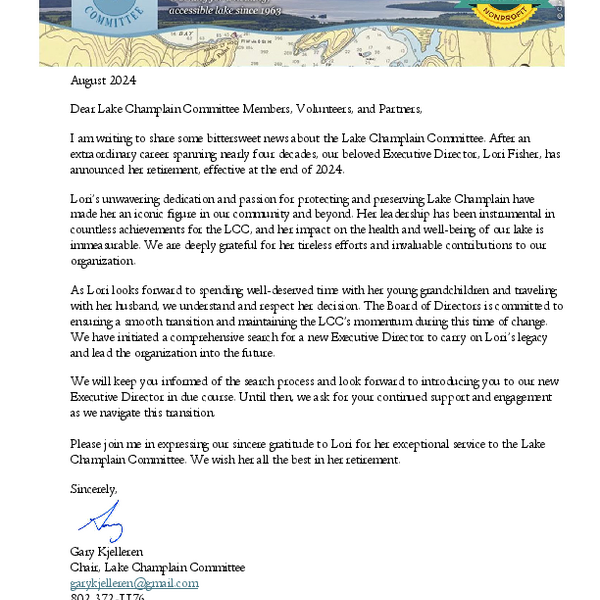
I am writing to let you know that after nearly four decades at the Lake Champlain Committee (LCC) I will retire at the end of 2024. I am deeply honored to have had this wonderful job. Lake Champlain is a constant source of wonder, beauty, and…
I am writing to share some bittersweet news about the Lake Champlain Committee. After an extraordinary career spanning nearly four decades, our beloved Executive Director, Lori Fisher, has announced her retirement, effective at the end of…
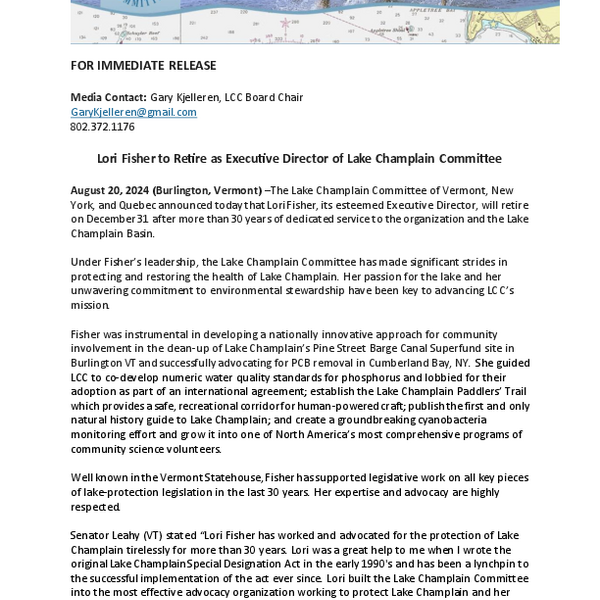
The Lake Champlain Committee of Vermont, New York, and Quebec announced today that Lori Fisher, its esteemed Executive Director, will retire on December 31 after more than 30 years of dedicated service to the organization and the Lake Champlain…
It was another week of highly variable conditions depending upon where you were. Monitors filed 240 reports during week 9 and 19% were of blooms. The majority came from northern sections of Lake Champlain. Some blooms persisted for days and continued…
Some extensive and persistent blooms were experienced in northern sections of Lake Champlain and various inland waterways including the Poultney River during week 8 of monitoring. Big thanks to all the community science volunteers who are chronicling…
While most monitors reported generally safe conditions during their week 7 site rounds, those that did observe blooms often found them widespread. And blooms certainly weren’t restricted to Lake Champlain – VT inland waterways of Lake Carmi, Shadow…
While many monitors reported bloom-free conditions during week 6, where cyanobacteria did show up it sometimes persisted for several days. In this email you’ll find details on weekly conditions; resources to help you recognize, avoid and report…
Monitors weathered another week of IT challenges as the tech issue that shut systems down worldwide also affected the cyanobacteria tracker. It’s the reason you’re getting this weekly compilation of results much later than usual. Many LCC monitors…
It was eerily familiar last week as floodwaters wreaked havoc on infrastructure, communities, and ecosystems, exactly a year after the historic July 2023 flooding. We hope you didn’t personally endure damage but know everyone in the watershed is…
Hot weather during the 4th of July holiday led to a burst of blooms and the cyanobacteria tracker went down over the weekend making for a challenging week! Please read on for June 30 – July 6, 2024 monitoring results and resources to help you…
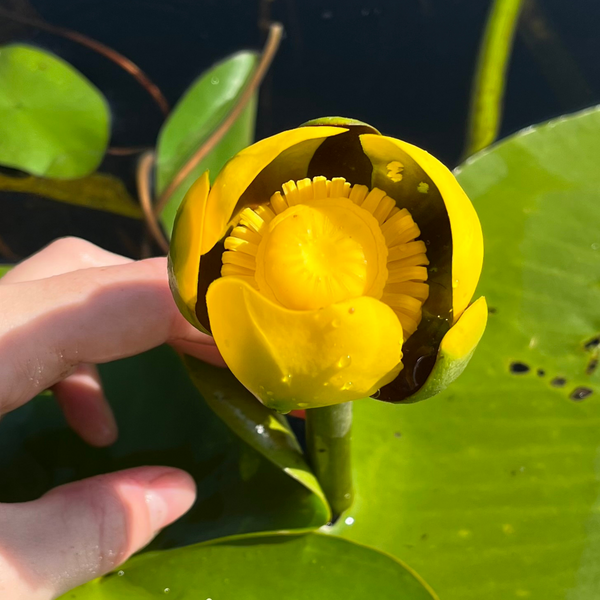
With summer in full swing, the native aquatic plants in Lake Champlain are spreading and blooming, adding pops of color to the water. How did they get here, and what helps make them successful away from land?
Happy summer! Thank you for signing up to receive the Lake Champlain Committee (LCC) Cyanobacteria monitoring reports! Each week we’ll send you an update about conditions monitors are finding on Lake Champlain and at select inland Vermont lakes.…
Thank you for signing up to receive the Lake Champlain Committee (LCC) Cyanobacteria monitoring reports! Monitoring began the week of June 16 and will run through early fall. Each week we’ll send you an update about conditions monitors are finding on…
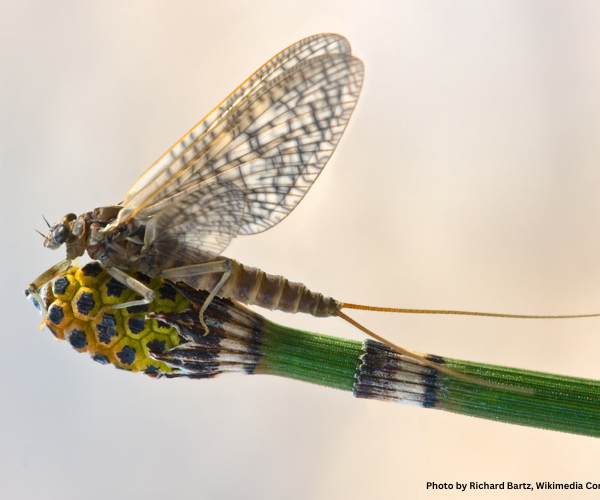
Lake Champlain is abuzz this time of year. Aquatic plants leaf out and spread, insects dance along the water’s surface, and people flock to the beaches. All this activity brings to light not only the many things we love about the lake, but also the…
The lake sturgeon is a fish with a lot of superlatives. It’s as long as the standing height of an adult man, with longer recorded lifespans than humans. It has been on earth since before the evolution of flowering plants. And it has a complicated…
Do you live near a stream? Is there a healthy vegetated buffer around the stream that runs through your property? If you answered yes, you might be Stream Wise!
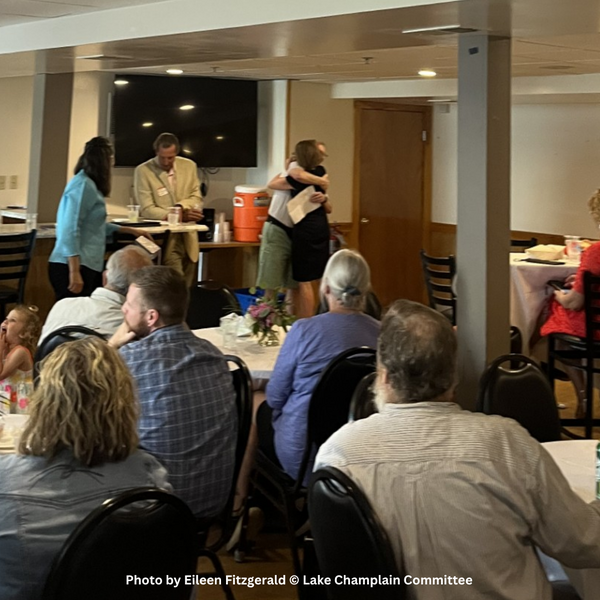
Stream Wise awards and recognizes private landowners that maintain wide buffers of…
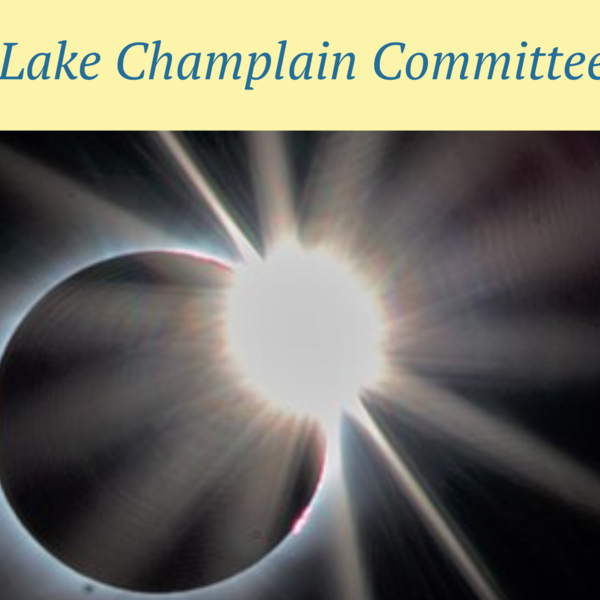
On Monday April 8, 2024 the skies above Lake Champlain will go dark in the middle of the afternoon. Almost all of the lake is in the path of totality for the solar eclipse of 2024 passing through Mexico, the US, and Canada. It’s a historic…
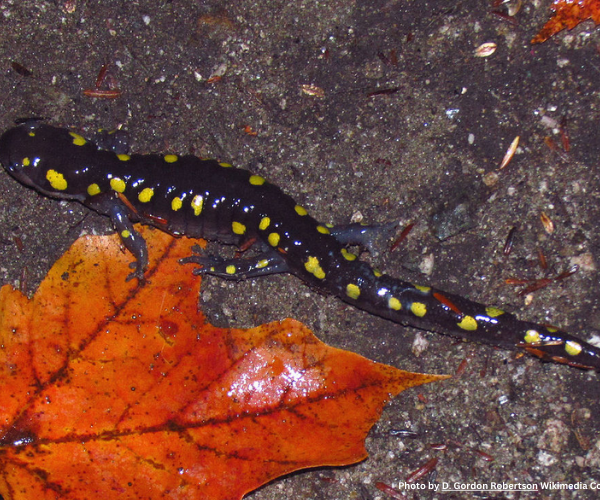
With no concept of weeks, months, or daylight savings—frogs and salamanders rely entirely on environmental cues of temperature and precipitation to tell them when it’s time to start their vernal lifestyle. What does this seasonal shift look like, and…
Stormwater runoff poses a major challenge for water quality in Lake Champlain. When rain falls on impervious surfaces, it does not have the chance to infiltrate into the ground and instead flows over roofs, parking lots, and roads—collecting…
For about as long as we have had agriculture, we have had agricultural pests—insects and other creatures who make their living off food we grow. We’ve been in an evolutionary showdown with these pests for centuries, adapting new technologies to…
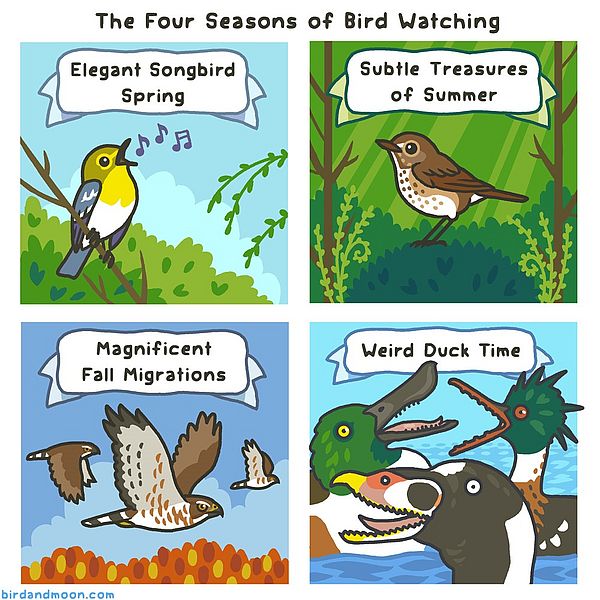
The changing of the seasons in the Lake Champlain Basin brings new wonders to the avian world. Cartoonist, writer, avid birder, and graduate of the University of Vermont’s Field Naturalist Program Rosemary Mosco broke down the four seasons of bird…
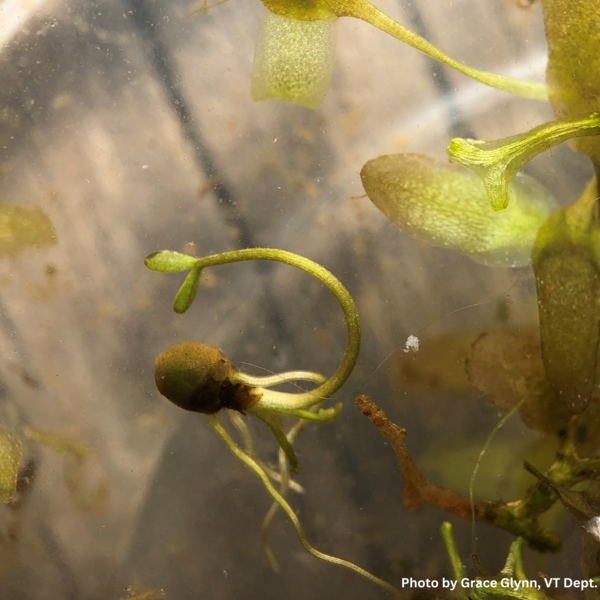
While the winter of 2024 has been unseasonably warm, we still needed to turn on the heat and don extra layers to adjust to the seasonal change. But what about the lake’s vegetative life? How have the native aquatic plants of Lake Champlain evolved to…
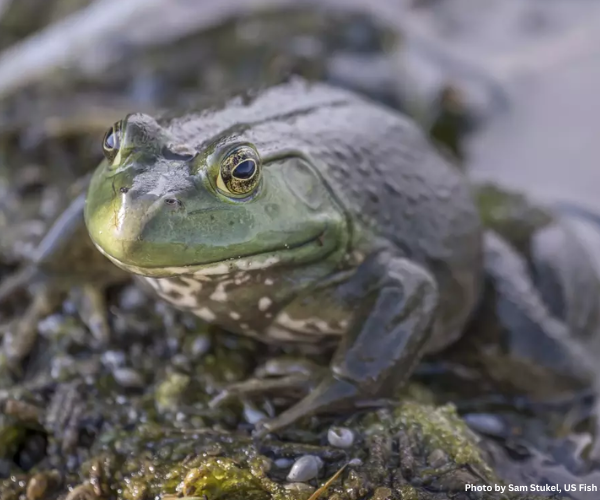
American bullfrogs (Lithobates catesbeianus) are deeply associated with spring and summer–their deep “jug-o-rum” serenade evokes images of hot summer nights: fireflies, and leafed-out trees. But what are they up to during cooler times? As with all…
Sincere thanks to our wonderful team of cyanobacteria monitors and partner organizations for diligently checking Lake Champlain and inland lake locations during the 2023 season. Monitors collectively filed nearly 3,000 reports over a 19-week period.
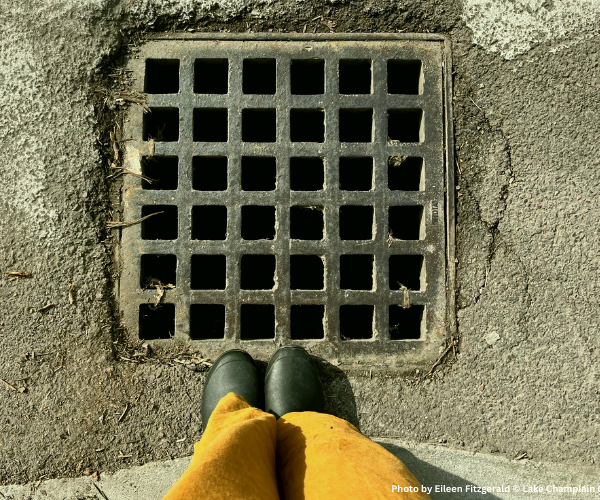
We don’t often give surface water much thought on its journey after it enters a storm drain–out of sight, out of mind. But the health of the waters going through storm drains is intrinsically tied to the health of all of our waters. It’s a common…