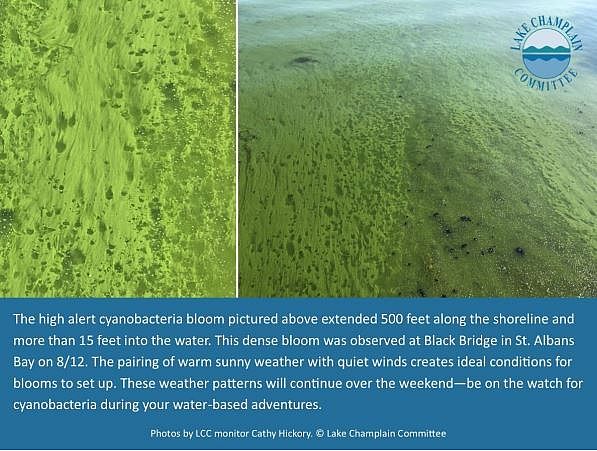
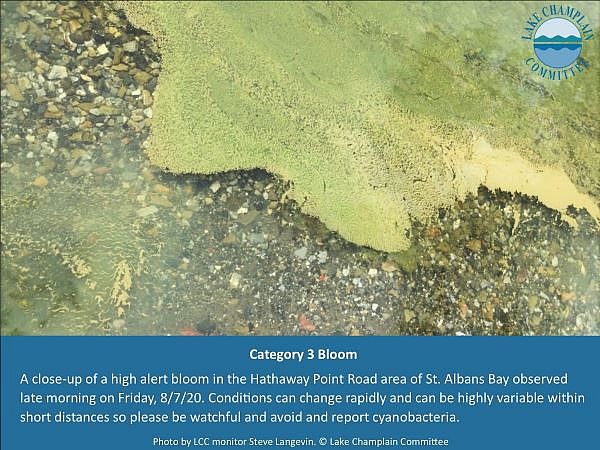
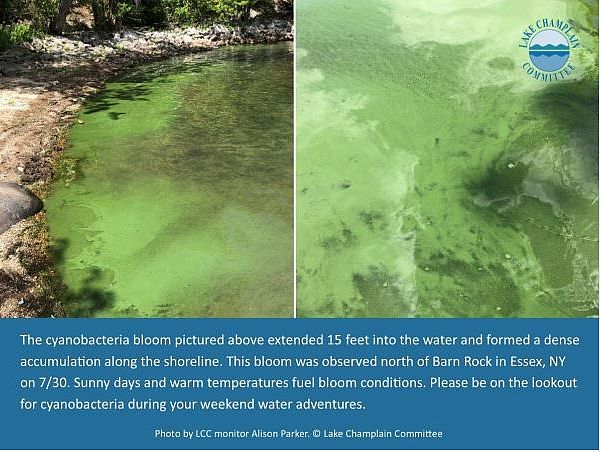
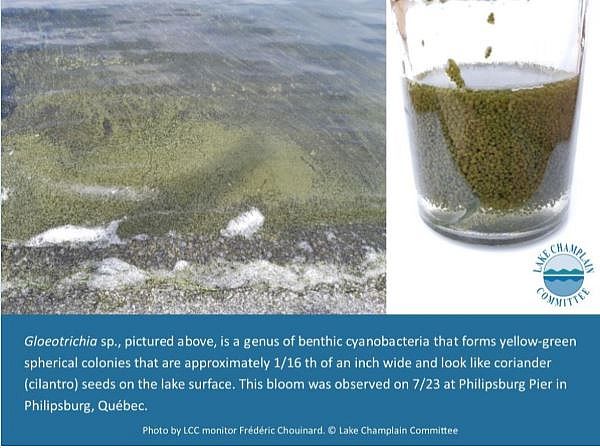
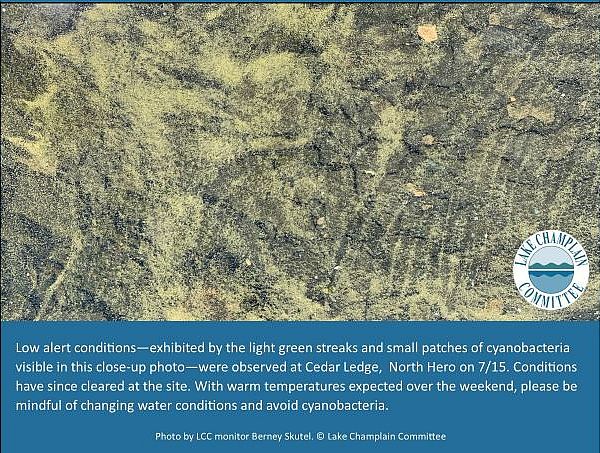
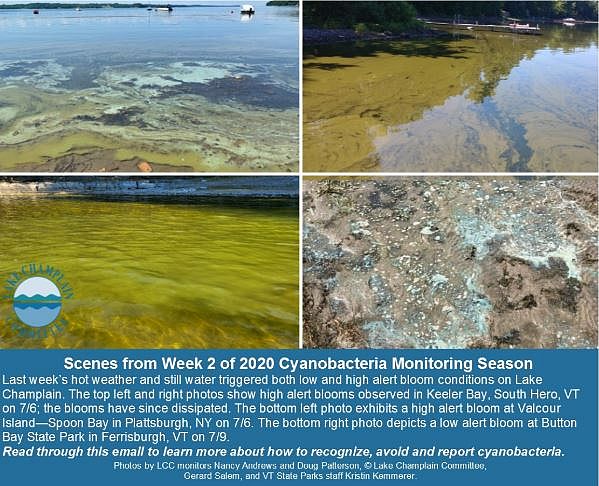
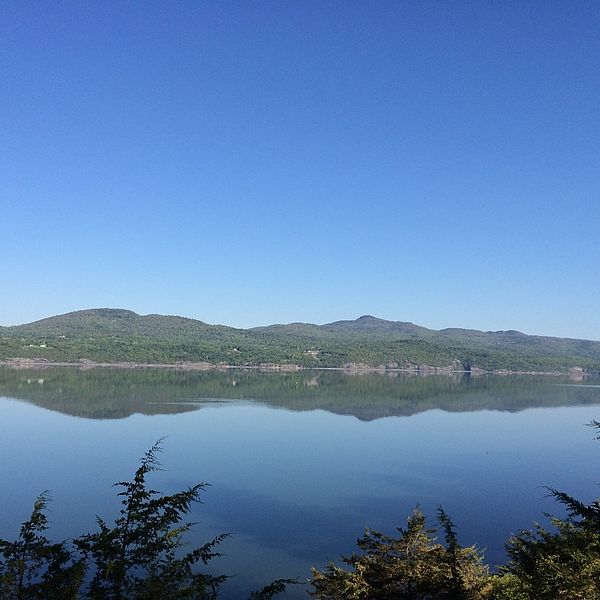
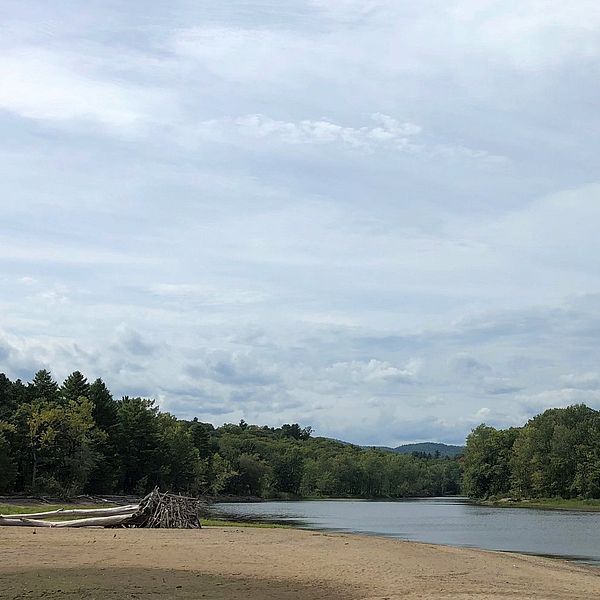
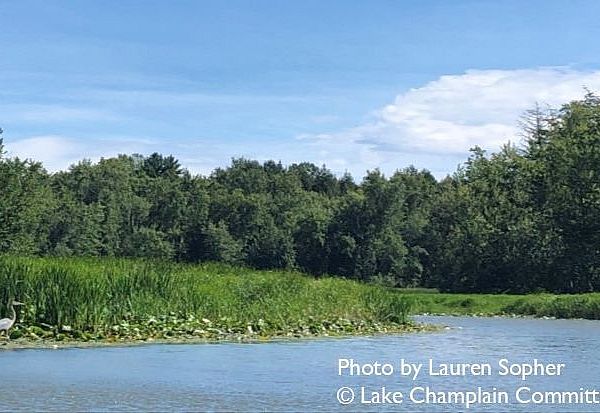
It’s been a tumultuous week with hot weather, intense rains that flushed nutrients and partially treated wastewater to Lake Champlain, and some high winds that knocked out power. In the midst of it all cyanobacteria monitors collectively filed 212…
The Lake Champlain Committee (LCC) and partners received 186 monitor reports last week from August 1 through 4:00 p.m. Friday August 7, 2020. Good conditions were observed in Lake Champlain’s Missisquoi Bay, Malletts Bay and the South Lake while…
The Lake Champlain Committee (LCC) and partners received 154 monitor reports this past week from Saturday July 25 through 1:45 p.m. Friday July 31. Good conditions were observed in Lake Champlain’s Missisquoi Bay, Main Lake North, Malletts Bay and…
We received 183 monitoring reports last week through Lake Champlain Committee (LCC) Cyanobacteria Monitoring Program from Saturday July 18 through mid-afternoon Friday July 24. Due to the high volume of reports and some technical issues we weren’t…
It’s been another busy week for the Lake Champlain Committee (LCC) Cyanobacteria Monitoring Program with 152 reports from Lake Champlain and inland lakes from Sunday July 12 through Friday July 17 at 1:30 pm! Good conditions were observed in Malletts…
Thank you for signing up to receive the Lake Champlain Committee’s (LCC) cyanobacteria monitoring reports! Monitoring will run through the early fall. Each week we’ll send you an update about conditions our monitors are finding around Lake Champlain…
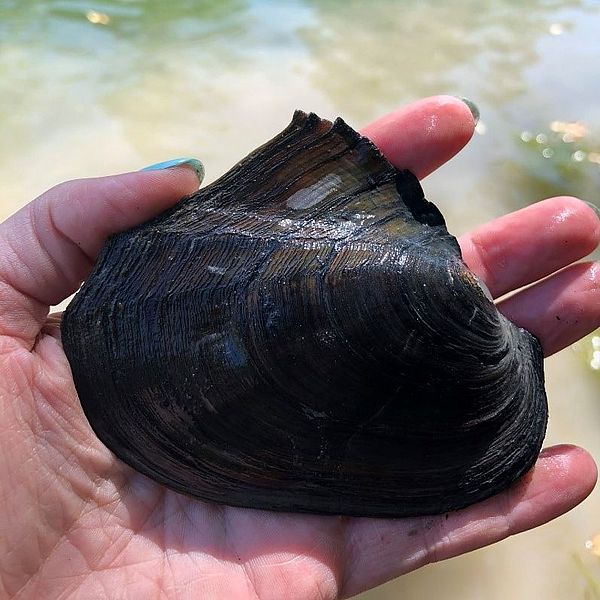
If you’ve paddled, taken a swim, or cast a fishing line in the waterbodies of the Lake Champlain Basin, you’ve likely spent time among one of the most enigmatic groups of aquatic animals in our region: native freshwater mussels. They’re…
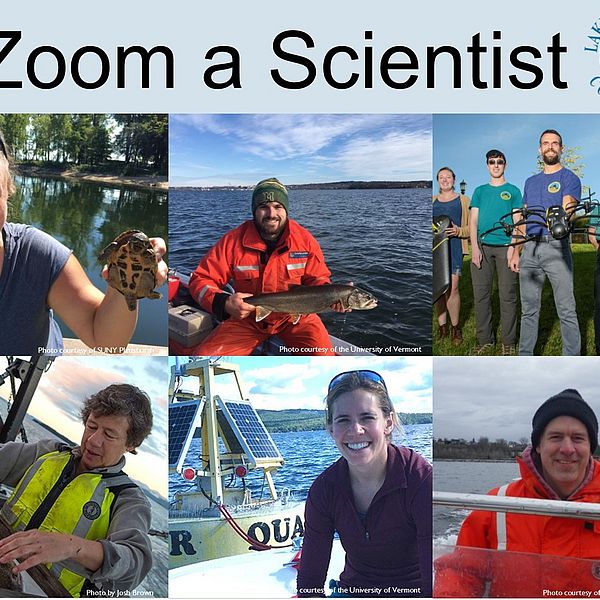
Did you miss a “Zoom a Scientist” session? Don't worry! All the webinars are recorded and can be accessed via Youtube! Want to learn more about microplastics, climate change, or aquatic invasive species? Wonder how prepared we are for an oil spill or…
Vermont environmental advocates sent a letter to Governor Phil Scott on 4/6/20 thanking him for his efforts to address the unprecedented COVID-19 emergency, and urging him to uphold environmental and public health protections during the crisis, along…
May is American Wetlands Month! Join us in celebrating our wetland wonders, from swamps and shores to floodplain forests and fens. Check out the LCC Facebook page where we’ve been posting about a different Lake Champlain watershed wetland every week.
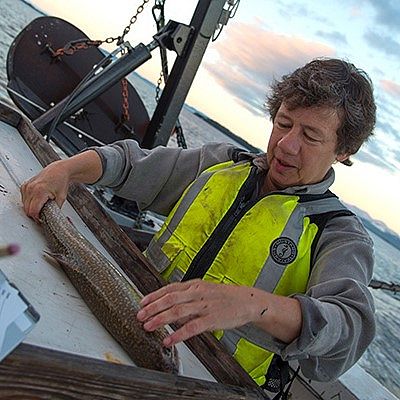
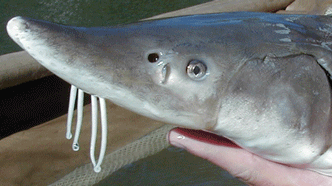
Lake sturgeon can be unintentionally caught by anglers during May and June as they head upstream to spawn in the waters where they were born. The stress incurred from being hooked can inhibit their ability to reproduce. Lake sturgeon are a threatened…
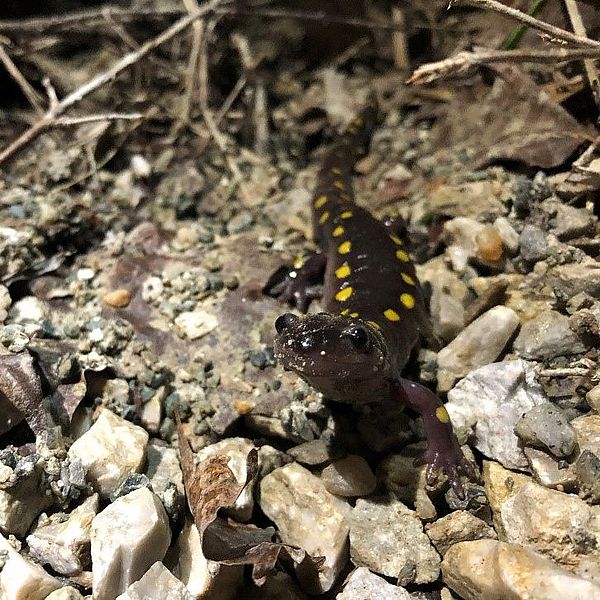
Conservation Biologist Steve Faccio of the Vermont Center for Ecostudies (VCE) visits a local vernal pool each week throughout the spring of 2020. In a series of seven short videos taken from April 1 through May 8 he introduces viewers to the…
"From Lake Champlain to the Richelieu River and the St. Lawrence, a panel of Canadian experts explores our connections and common interests in our water. Saving Our Waters is a documentary series covering steps toward keeping our waterways clean; the…
Look no further than the vast system of pipes beneath our feet—sewers—for an alternative to monitoring for viruses like COVID-19 person by person. Wastewater could provide localized data about coronavirus levels and create an early warning system for…
Entomologist Douglas Tallamy is urging Americans “to go native and go natural” and move away from the monoculture of a lawn. He’s an advocate for native plants as a way of preserving North America’s natural ecology. His recommendations for rewilding…
We hope you’re healthy and finding ways to nurture yourself during these challenging times. We are looking forward to diving into the lake to refresh our spirits once temperatures warm and travel restrictions ease. In the meantime, we thought we’d…
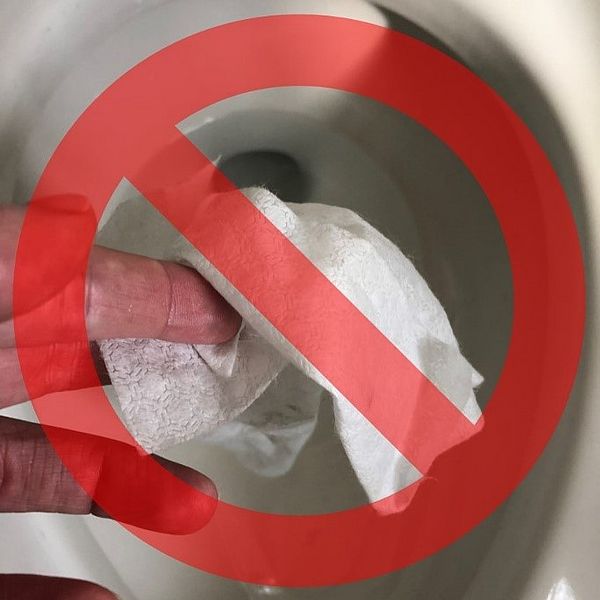
As we all work to address the Covid-19 pandemic, keep in mind that wipes clog pipes, even if they are marketed as “flushable.” Click here to read the New York Times article about backed-up sewer lines in the wake of the coronavirus.
Over the next few weeks, our friends at Lake Champlain Sea Grant are hosting "Zoom a Scientist," an interactive, virtual webinar series focused on watershed and aquatic science. The programs will feature scientists from the University of Vermont…
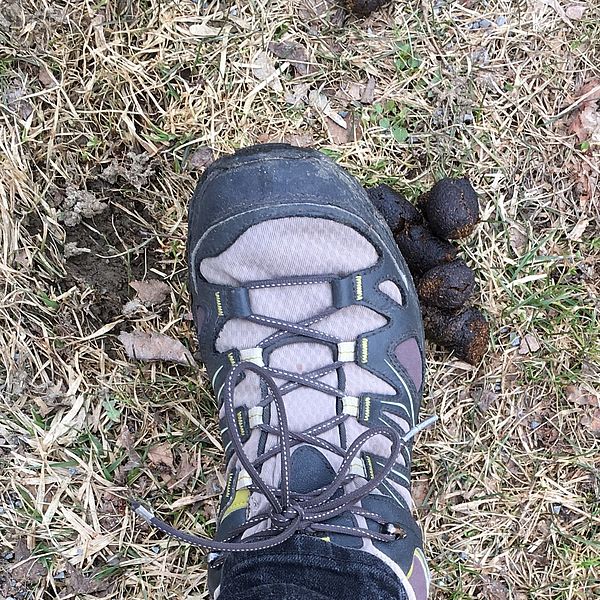
Deserted dog doo is a nasty addition to the bottom of an innocent passersby’s shoe—and to Lake Champlain. Canine feces left on hard surfaces like a sidewalk or compacted soil can wash into storm drains during any precipitation event. From there, they…
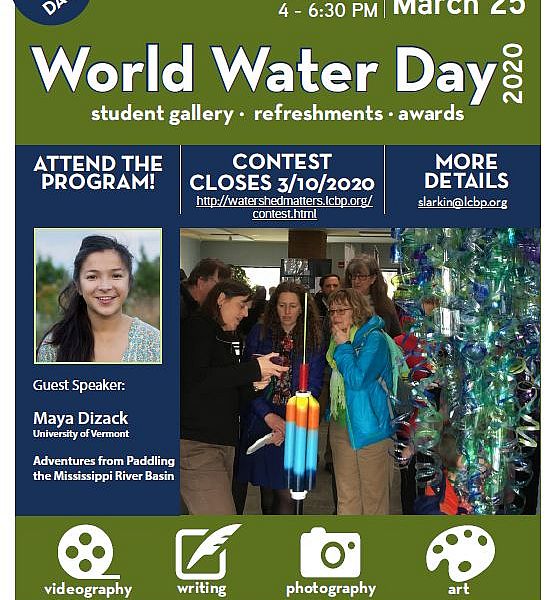
Know a K through 12 student, teacher or homeschooler in the Lake Champlain Basin? In honor of World Water Day, LCC and Champlain Basin Education Initiative (CBEI) partners are hosting our annual cool contest to celebrate water. It’s a great way for…
If your faucet drips or your toilet runs it can waste over 10,000 gallons a year ― the amount of water in a typical backyard swimming pool. More than one trillion gallons of water are lost annually in the U.S. due to easy-to-fix household leaks.
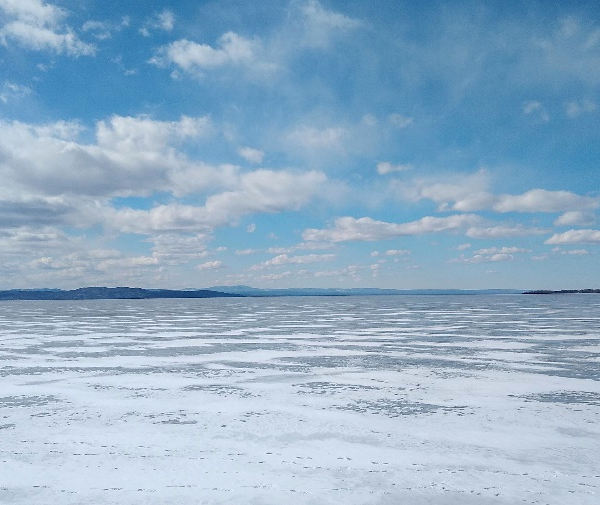
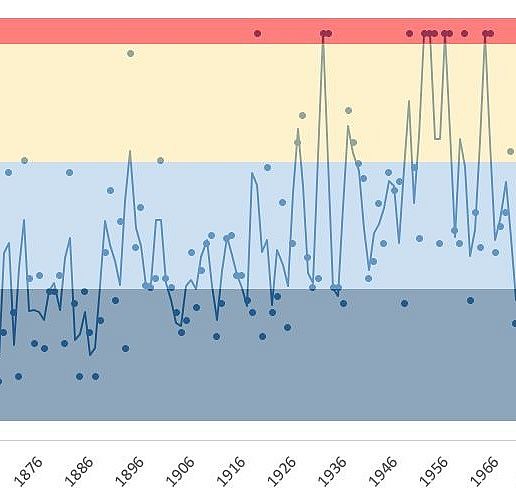
The freeze over of Lake Champlain is a celebrated event. Due to warming winter temperatures, the lake does not ice over as often as it did 20 years ago, making this phenomenon special. Though the lake froze over last year (closure date of March 8),…
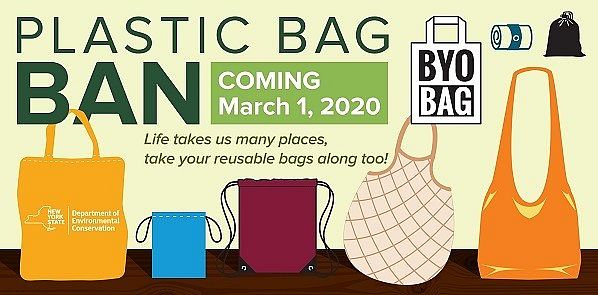
The plastic bag ban in New York State begins Sunday, March 1, 2020! Whether floating on a local waterway or stuck in a tree, plastic bags are a too common sight and blight on the landscape and in the water. Do your part to reduce plastic pollution…
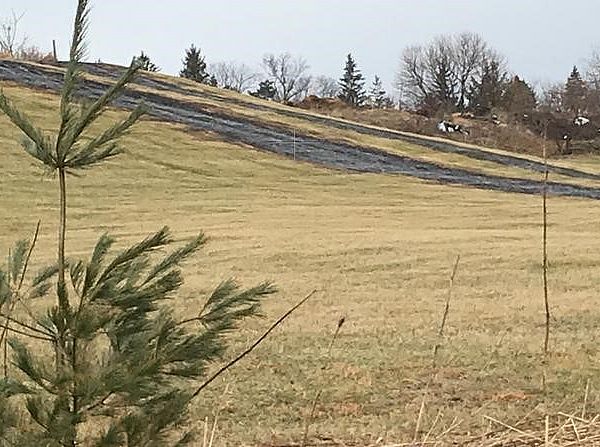
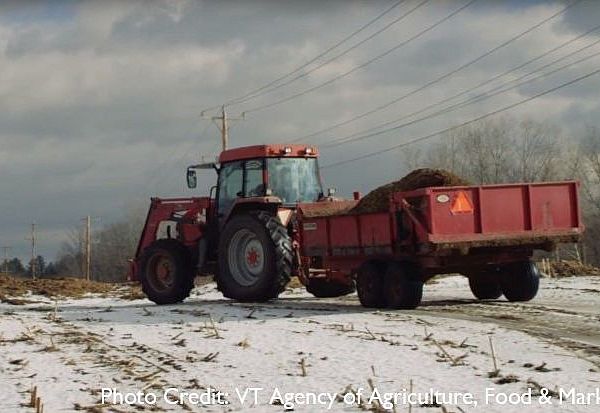
The Lake Champlain Committee (LCC) is no stranger to defending Vermont’s clean water laws. In December 2019, LCC was part of a coalition of environmental organizations that issued a press release on the unlawful emergency exemptions for farm manure…
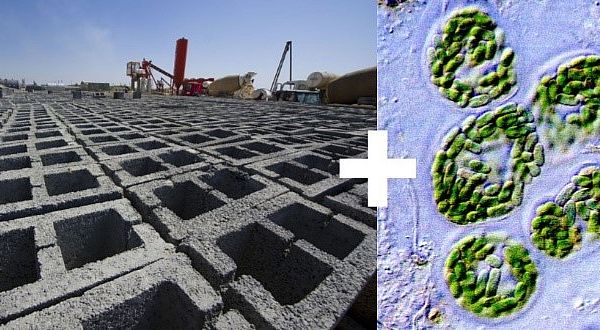
Photosynthetic bacteria, gelatin, and concrete are the building blocks of a new type of material: living concrete! Researchers at the University of Colorado, Boulder, funded by the Department of Defense, formed the new substance. Minerals in the…
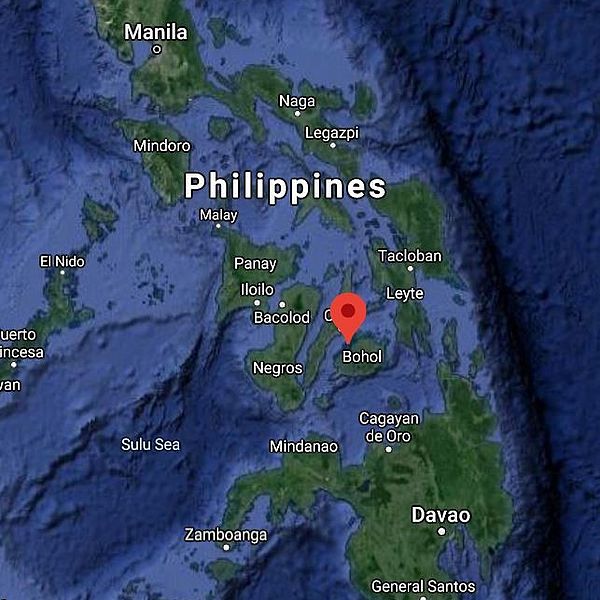
As the seas rise higher, low lying islands and coastal areas are continually threatened by floods. Batasan, an island in the Philippines, is no exception. In 2013, a major earthquake (7.2 magnitude) hit the island, causing it to collapse downward.
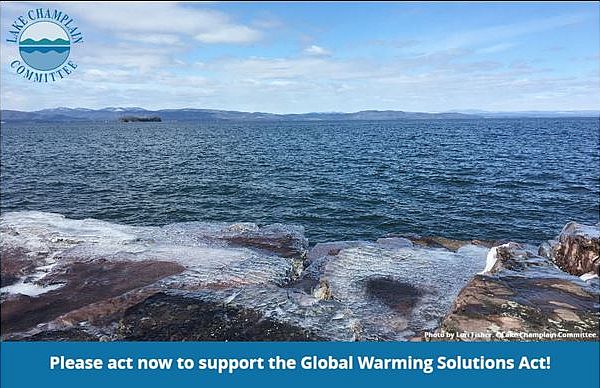
The Vermont Global Warming Solutions Act (GWSA - H.688) will be on the House floor tomorrow, February 20 for a crucial vote. The bill sets binding targets and holds the state accountable to develop and implement a plan to meet Vermont’s commitment to…
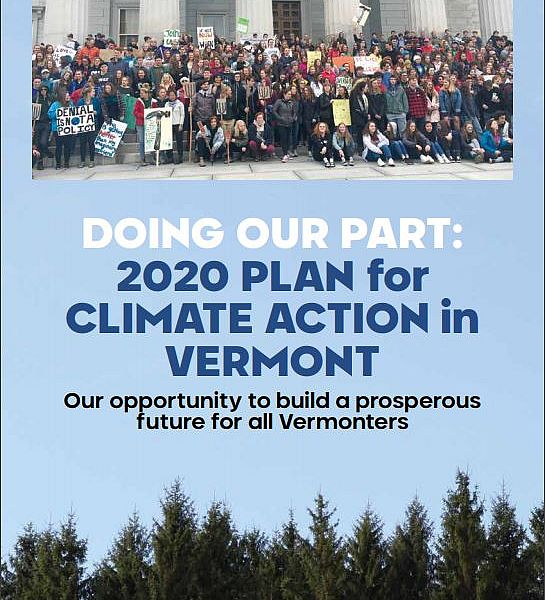
Recognizing that climate change poses an existential threat to Lake Champlain water quality, LCC was among 30 diverse organizations to present a policy plan of action to Vermont leaders in January. Since 2006, the state has had statutory goals to cut…
Earlier this month Jared Carpenter, LCC’s Water Protection Advocate, joined with colleagues from the Vermont Conservation Voters, Vermont Natural Resource Council and other organizations to present the 2020 Environmental Common Agenda. The Common…
A grant from outdoor gear co-op REI will enable LCC to purchase signage for Lake Champlain Paddlers’ Trail sites, update website content, and produce informational materials about the Trail. The funds will also cover a touring kayak and related gear…
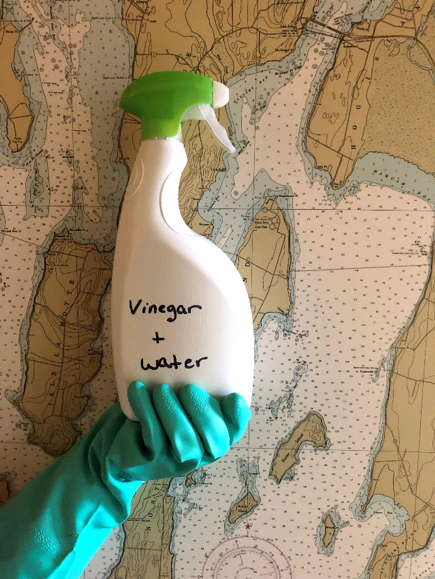
Every space gets dirty. Whether at home, at work, or somewhere in between, most of us use cleaning products on a regular basis to tidy up. While commercial products may get things squeaky clean, they can also do more harm than good. Many contain…
A coalition of Environmental organizations—the Lake Champlain Committee (LCC), Conservation Law Foundation (CLF), Vermont Natural Resources Council (VNRC), and Vermont Audubon—issued a water quality-related press release on December 13, 2019.
Protecting wetlands is a longstanding priority for the Lake Champlain Committee (LCC). The areas of interface between shoreland and water are a vital part of Lake Champlain’s ecosystem. Thank you for using your voice to protect Vermont’s wetlands now…
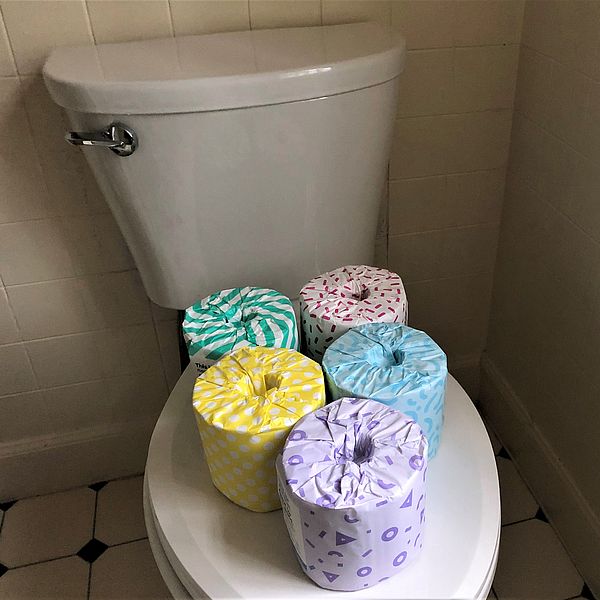
Wastewater treatment and septic systems are designed to handle the four Ps—pee, poop, puke, and (toilet) paper—and nothing else. Flushing other paper products, plastics, disposable diapers, pharmaceuticals, dryer lint, condoms, tampons or…
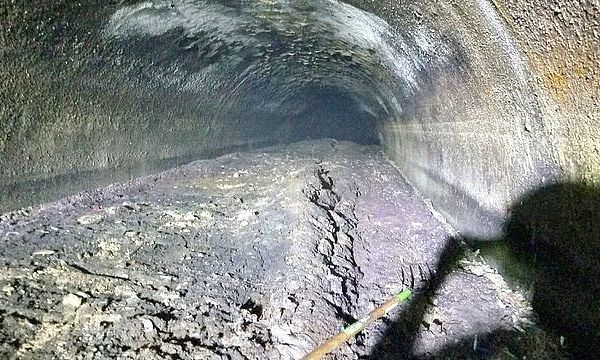
Fatbergs have become commonplace in city sewer systems around the world. They are an accumulation of fat, oil, and grease congealed around common household solid waste items like “flushable” wipes, paper towels, and tampons. The removal of fatbergs…
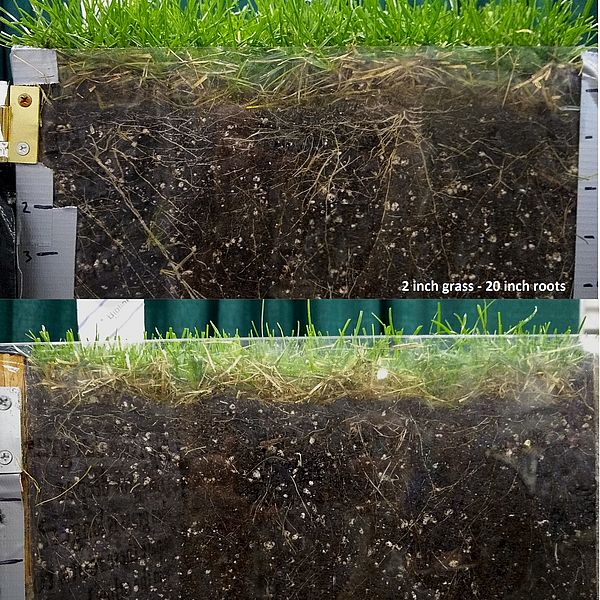
Grass is the largest irrigated crop in the United States. It covers city parks, suburban lawns, and wide-open rural fields. Unfortunately, grass can be a major source of fertilizer runoff. While the best way to slow rainwater down and allow…
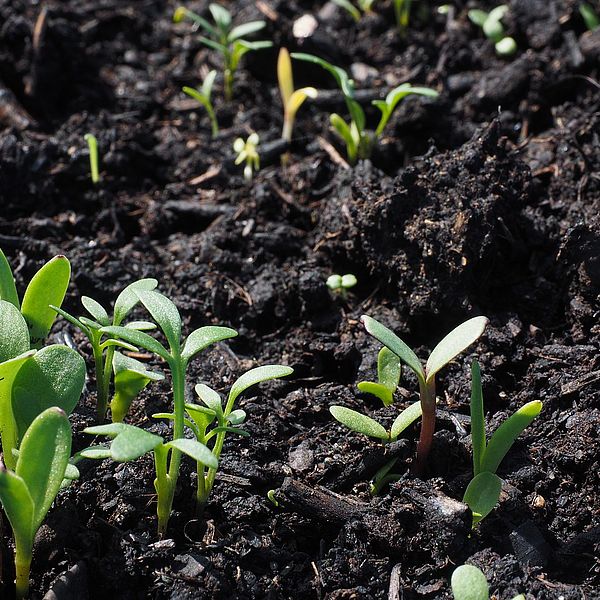
Soil isn’t just the dirt we might think of when we wash our hands or take our shoes off at the door. Healthy soil is alive – it’s full of layered root systems, microbial communities, organic matter, worms, bugs, and fungi. It’s an entire ecosystem…
One of the best-understood facets of climate change is that global temperatures are rising overall. Since the turn of the 20th century we know that average temperatures have gradually risen every decade, and they will continue to rise more rapidly…
If your faucet drips or your toilet runs it can waste over 10,000 gallons a year -- the amount of water in a typical backyard swimming pool. More than one trillion gallons of water are lost annually in the U.S. due to easy-to-fix household leaks.
Teachers at J.J. Flynn Elementary School in Burlington, VT got creative in their World Water Day class project by partnering with Generator Makerspace, a non-profit in Burlington that bridges the intersection of art, science, and technology. With the…