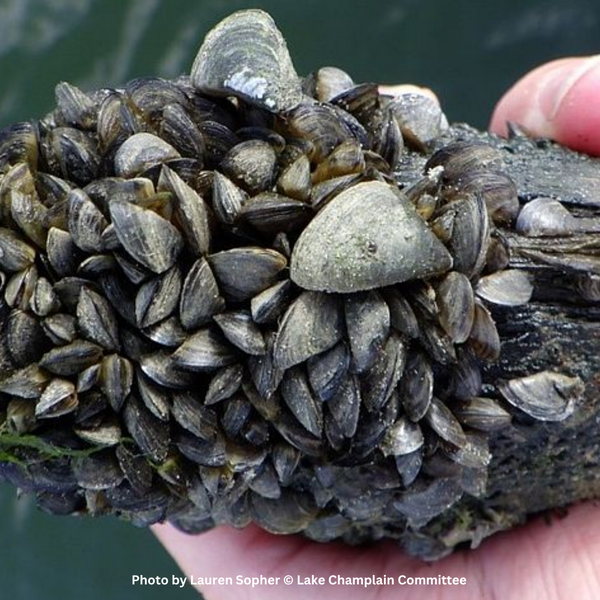
Lake Champlain teems with movement in the summer: fish splash, osprey dive, and kayakers paddle. Waters warmed by the July sun seem to suffuse lake life with motion. Yet there is an animal that remains slow, if not completely still, amidst the…
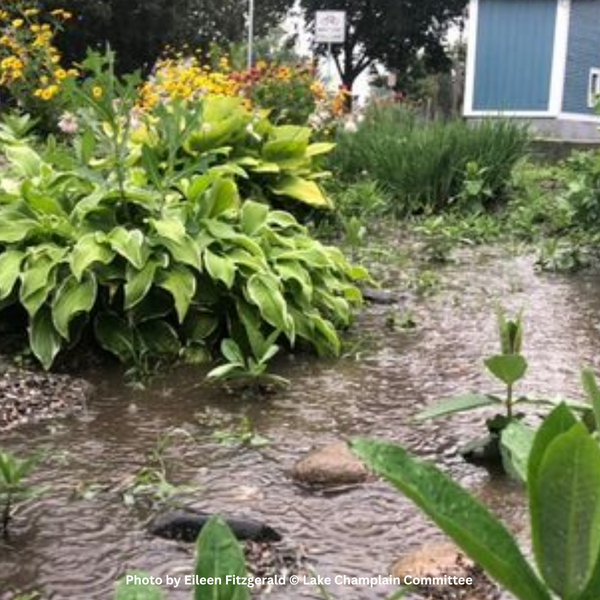
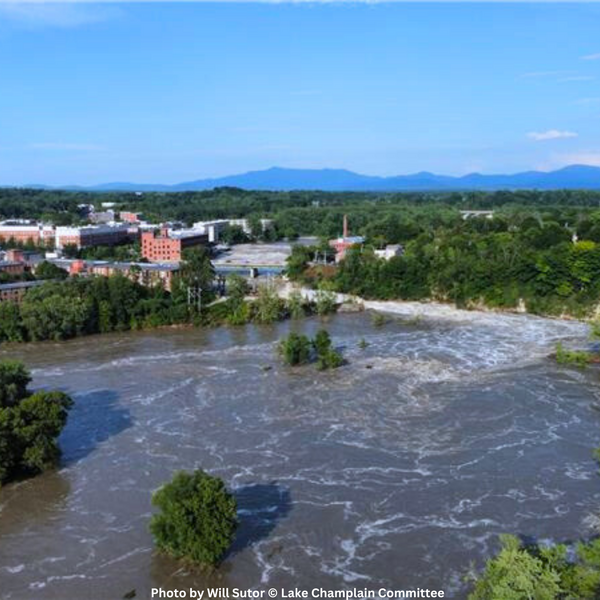
Summer rainstorms can turn roads to rivers. As water travels over an impervious landscape, it collects everything within its flow, including harmful pollutants, on its way to Lake Champlain. How can we keep some of the summer deluge from becoming…
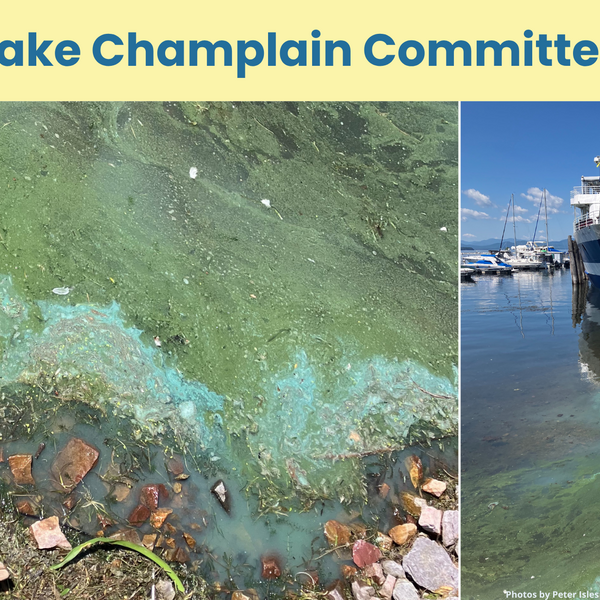
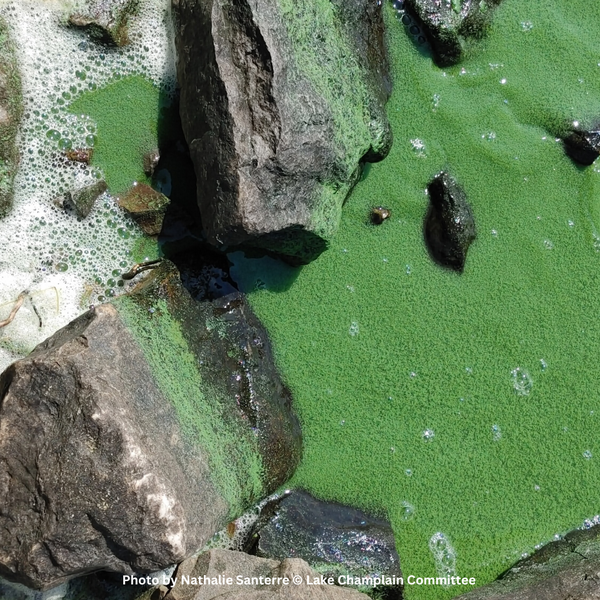
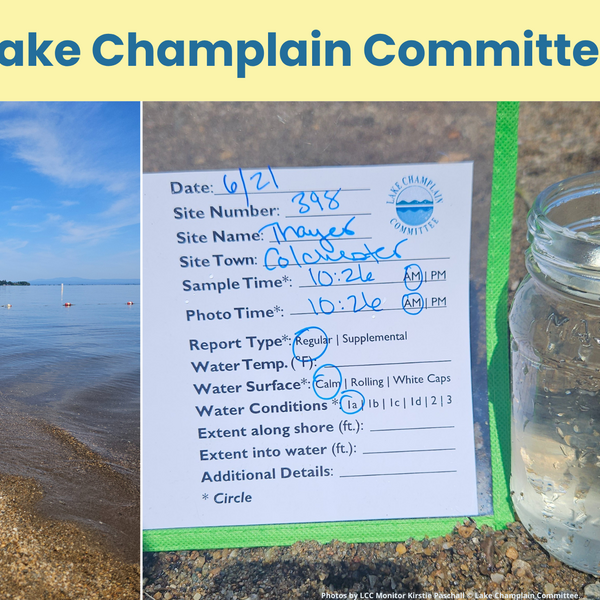
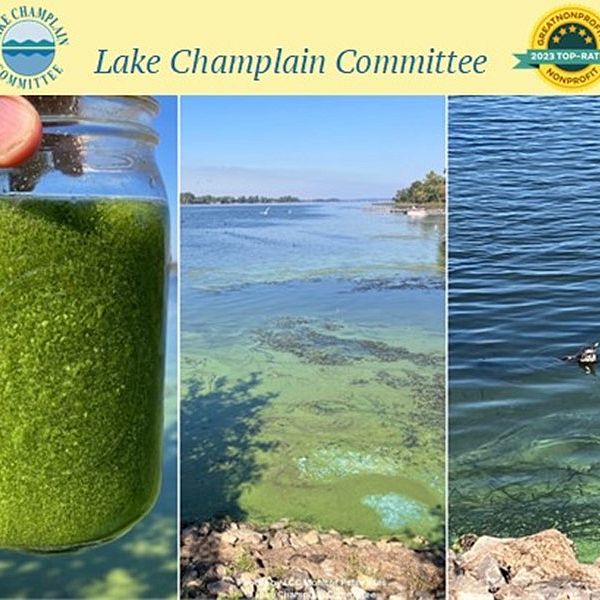
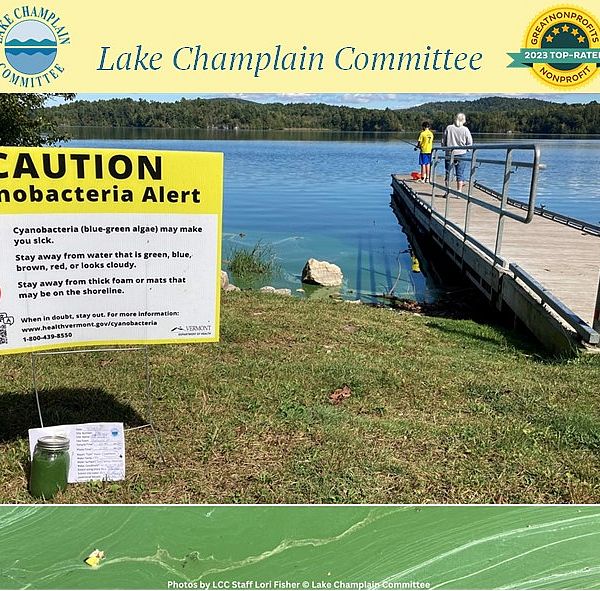
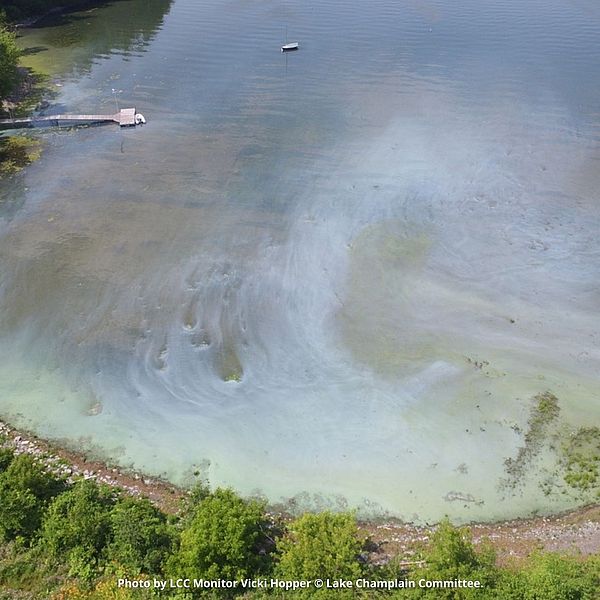
Thank you for signing up to receive the Lake Champlain Committee (LCC) Cyanobacteria monitoring reports! In this email, you will find details of Week 3 monitoring results. Click on the links to see scenes of beachgoers unknowingly in bloom…
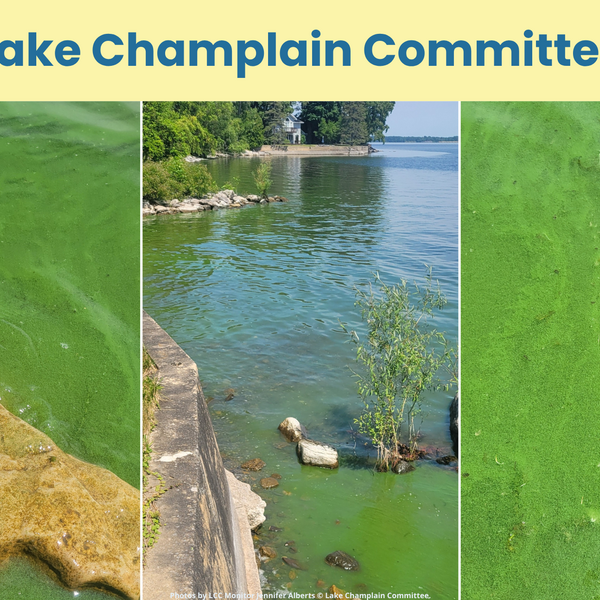
Thank you for signing up to receive the Lake Champlain Committee (LCC) Cyanobacteria monitoring reports! In this email, you will find details of Week 2 monitoring results. Click on the links to familiarize yourself with the public cyanobacteria…
Cyanobacteria are among the oldest forms of life on Earth. Their story begins not just before humans or mammals, but before our oxygen-rich atmosphere even existed. The blooms we see today are not due to completely new species but rather to shifting…
Thank you for signing up to receive the Lake Champlain Committee (LCC) Cyanobacteria monitoring reports! Monitoring began the week of June 15 and will run through early fall. Each week we’ll send you an update about conditions monitors are finding on…
At what point does a waterway stop being a river and become part of Lake Champlain? This transition happens gradually in a zone called a river delta where a river empties into the lake.
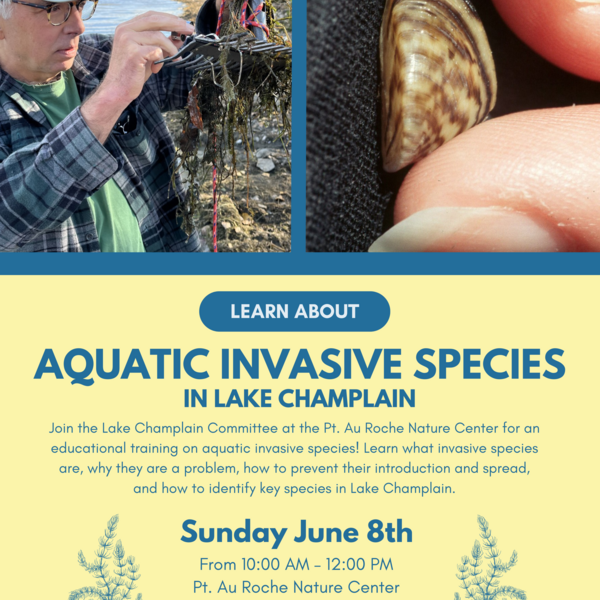
Join the Lake Champlain Committee at the Pt. Au Roche Nature Center on Sunday, June 8 from 10 AM - 12 PM for an educational training on aquatic invasive species! Learn what invasive species are, why they are a problem, how to prevent their…
Join LCC and the Northeast Disabled Athletics Association, South Hero Land Trust, and North Branch Nature Center on Thursday, 7/17/2025 between 10:00 AM and 2:00 PM at the Sandbar State Park in Milton, VT. This adaptive kayaking series is an…
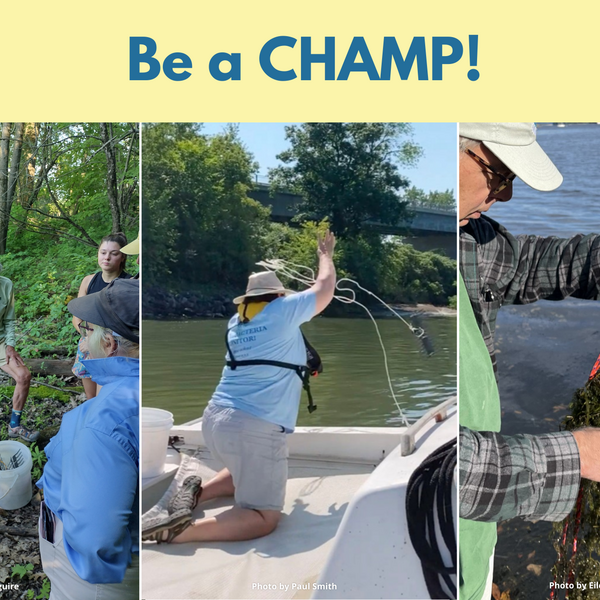
As we gear up for another field season at the Lake Champlain Committee (LCC), we're seeking volunteers for the Champlain Aquatic invasive Monitoring Program—CHAMP! Now entering our third season of CHAMP, LCC recruits, trains, and supports volunteers…
Our beloved aquatic creatures share oxygen, food, and habitat —but unfortunately, they also share the water with something far less natural: our trash. A shampoo bottle floating in the lake, an abandoned boat, or a buoy washed up on a beach are all…
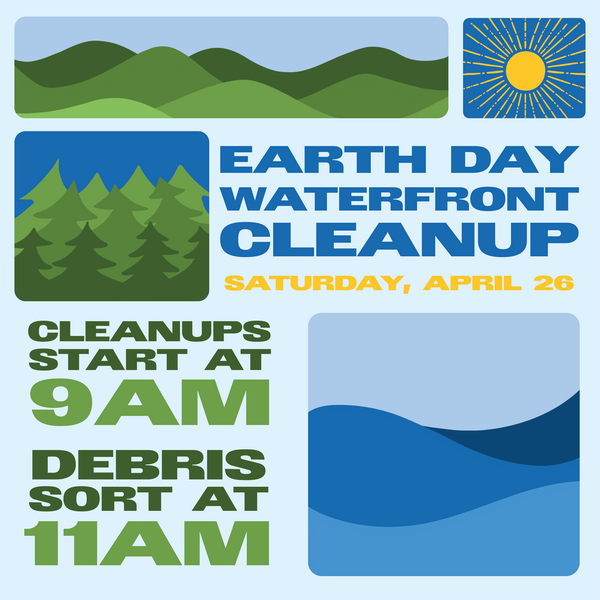
Join LCC and our partners in the Marine Debris Coalition for a cleanup of the Burlington Waterfront! Sign up for one of two cleanup locations: the Lake Champlain Community Sailing Center and the Burlington Community Boathouse Marina from 9:00 AM -…
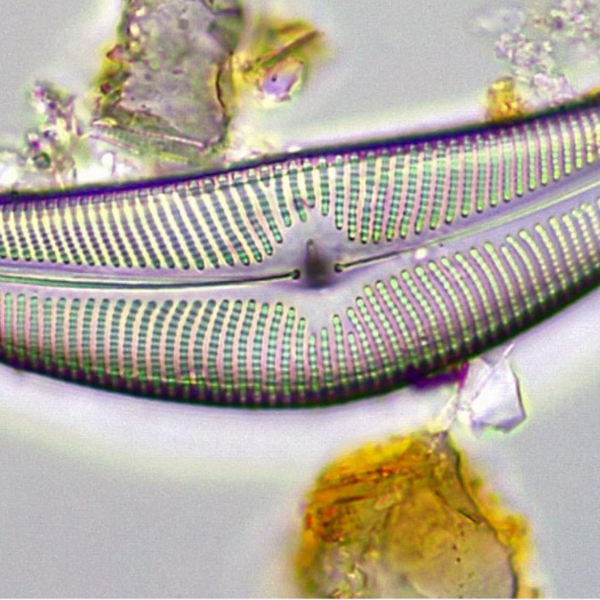
Imagine a world where homes are built of glass—not by human hands, but by nature’s tiniest architects. These microscopic wonders, known as diatoms, are a type of single-celled algae that inhabit nearly every aquatic environment on Earth. Their unique…
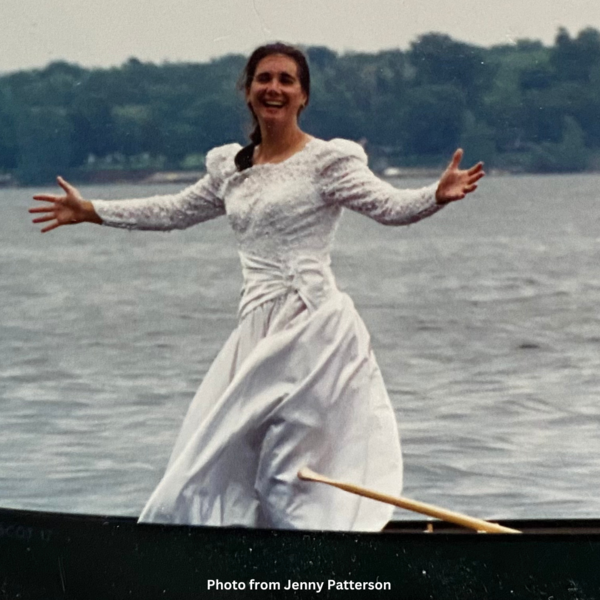
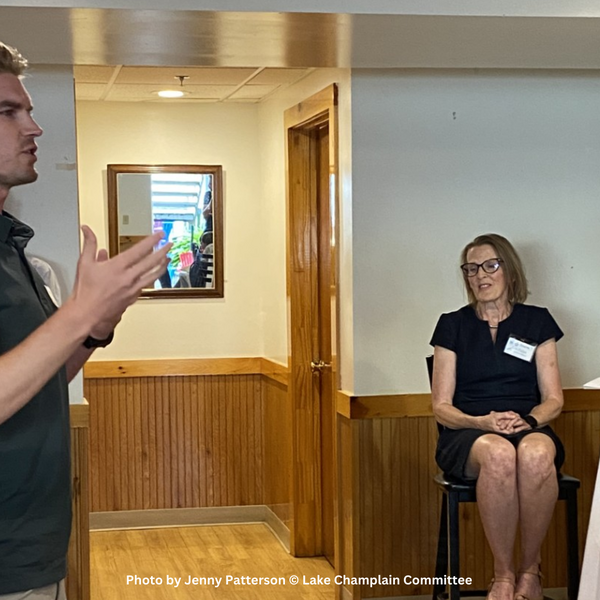
Lake Champlain has played a central role in LCC’s new Executive Director Jenny Patterson’s life. The lake was a formative part of her childhood, and just as the Little Chazy River flows into Champlain’s waters, she has come back to this cherished…
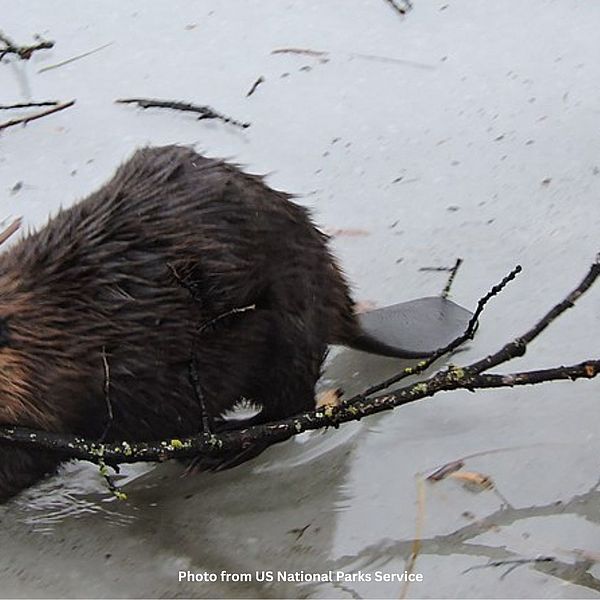
Beavers (Castor canadensis) are similar to many humans when it comes to weathering winter: they don’t hibernate, but they spend a lot of their time cozied up in their lodges. Ever the industrious species, North America’s largest rodent will spend…
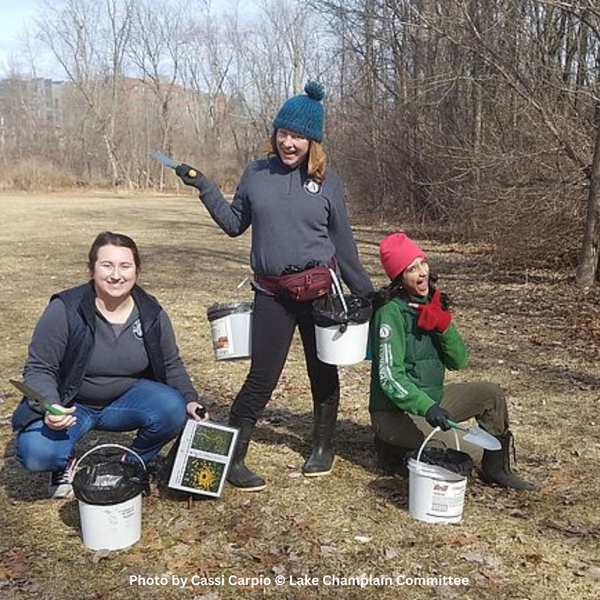
March’s snowmelt reveals some unpleasant remnants from the winter season. Pet owners throughout the winter may be tempted to leave their dog’s waste under the snow and ice—after all, what could be the harm of just a few droppings?
When temperatures drop low enough to freeze wide stretches of Lake Champlain, the landscape takes on a new character. Ice replaces rolling waves, creating a surface that invites exploration—whether by skaters gliding across its glassy expanse or…
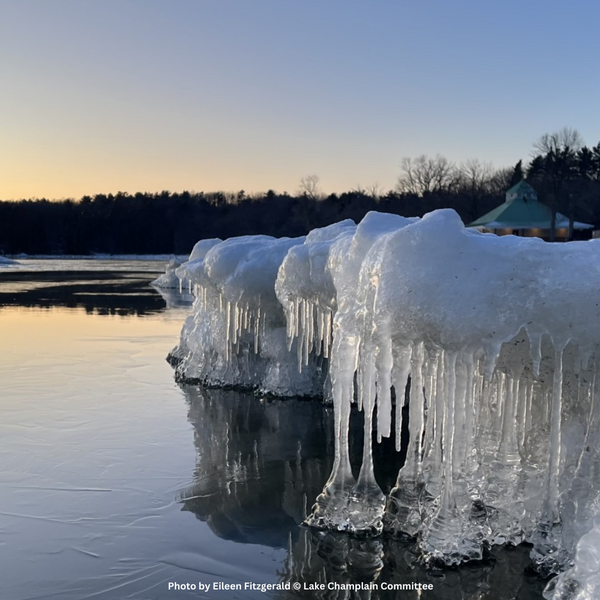
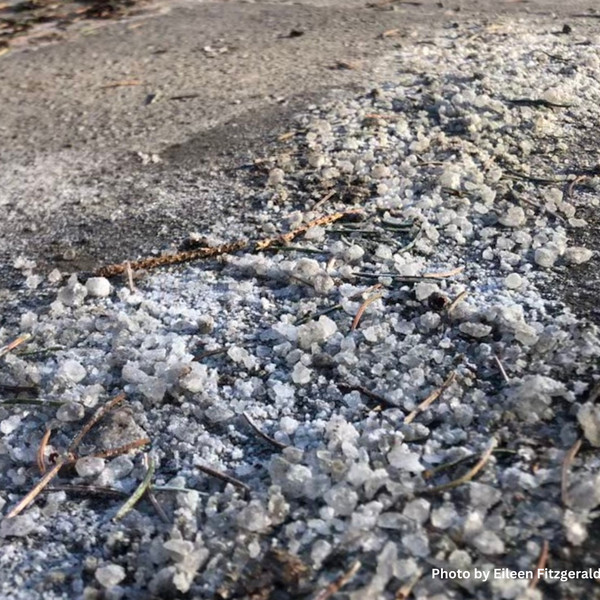
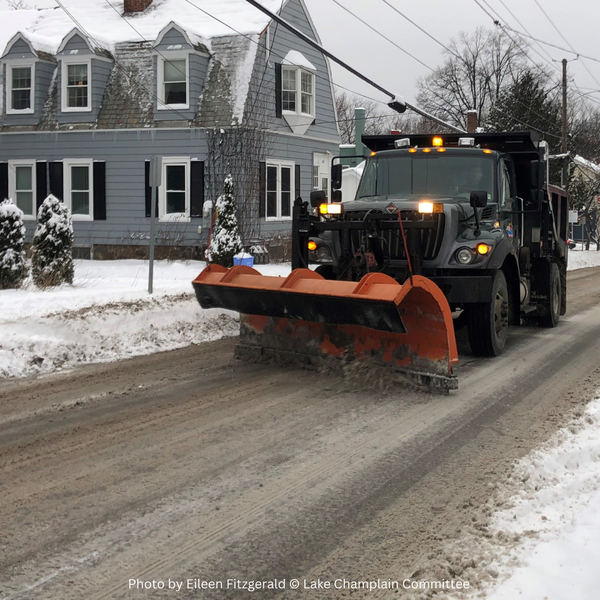
It’s a familiar winter symphony in the Lake Champlain basin: snow, ice, and coarse rock salt crunch beneath your boots as you walk down the pavement. However, below the caked layers of snow, a quieter crisis is unfolding. Spreading road salt in…
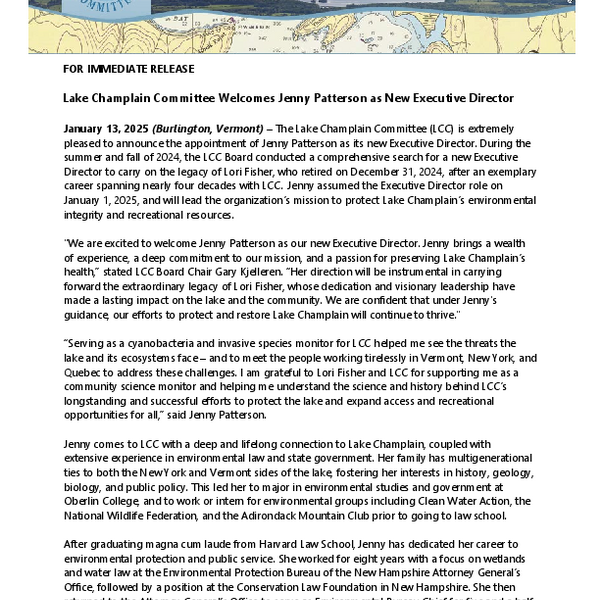
The Lake Champlain Committee (LCC) is extremely pleased to announce the appointment of Jenny Patterson as its new Executive Director. During the summer and fall of 2024, the LCC Board conducted a comprehensive search for a new Executive Director to…
March 22, 2025 is World Water Day, and LCC and our Champlain Basin Education Initiative partners are hosting a celebration at the Champlain Centre Mall in Plattsburgh, NY. All are welcome to attend, and K-12 students throughout the Lake Champlain…
While the sun shines in Montpelier, snow could be dumping from the clouds 50 miles southwest in Cornwall, VT. Apart from major snowstorms—namely Nor’easters—the formation of lake-effect snow over Lake Champlain is one of the weather patterns that…
Road salt has ripple effects on aquatic ecology, human health, and infrastructure. Anti-icing—the practice of preparing your roads before a freeze rather than salting your roads after ice—helps keep your driveway safe while using significantly less…
In stressful times, one may envy a turtle: built-in safety from predators with their shells and free from modern expectations of speed and efficiency. Spending summers lounging on logs and rocks warmed by the sun and winters in seemingly peaceful…
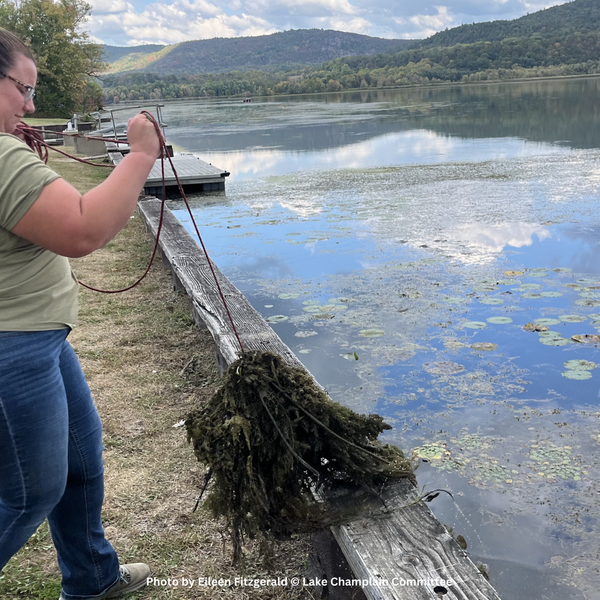
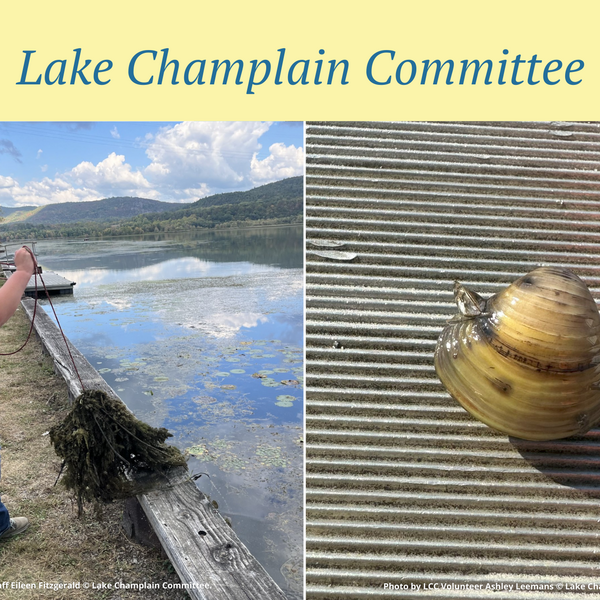
On a sunny late-October day, a dual-sided rake head tied to a twenty-five-foot length of rope sailed through the air and broke the previously still water of a boat launch in Whitehall, New York with a splash. Ashley Leemans, a volunteer with the Lake…
Given the recent election, national politics is on many people’s minds. Unfortunately, the protection of something as fundamental as water has become a political issue. The Clean Water Act (CWA) turned 52 in late October 2024. The Act shaped water…
Sobagwihla --soo-bah-gwee-hlah--where sea ducks gather, where it becomes ocean. That’s the Western Abenaki place name and the meaning of Kill Kare, one of the Lake Champlain Paddlers’ Trail sites. A bill that passed the Vermont Legislature in 2020…
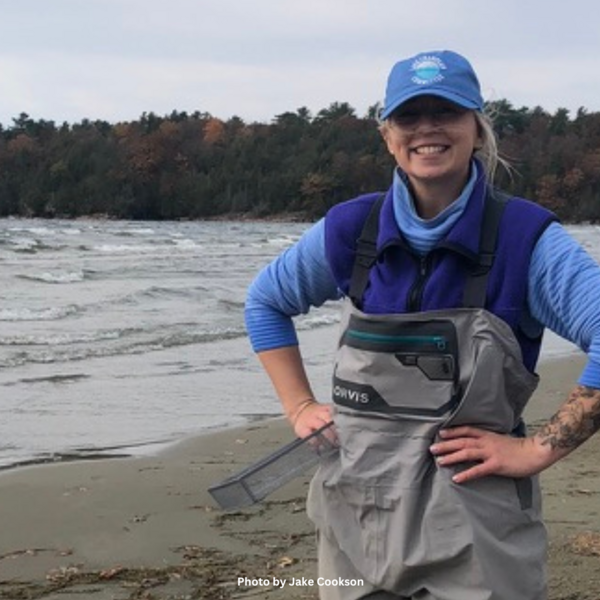
LCC welcomed Dr. Lindsey Carlson as our Water and Science Program Coordinator on 12/16/24. “Lindsey brings a wealth of experience in aquatic ecology, community engagement, and environmental science to the LCC team,” noted LCC Executive Director Lori…
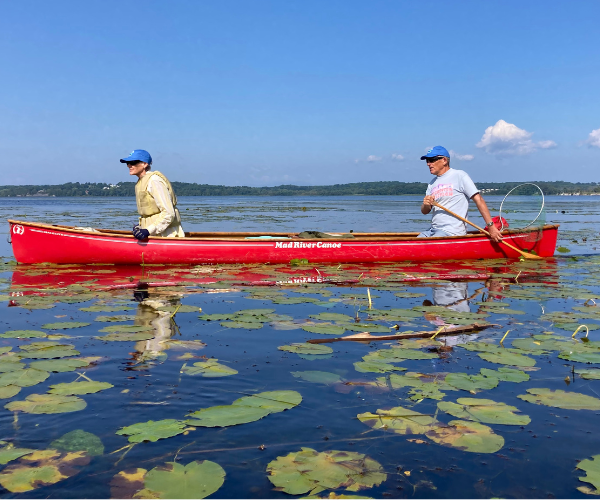
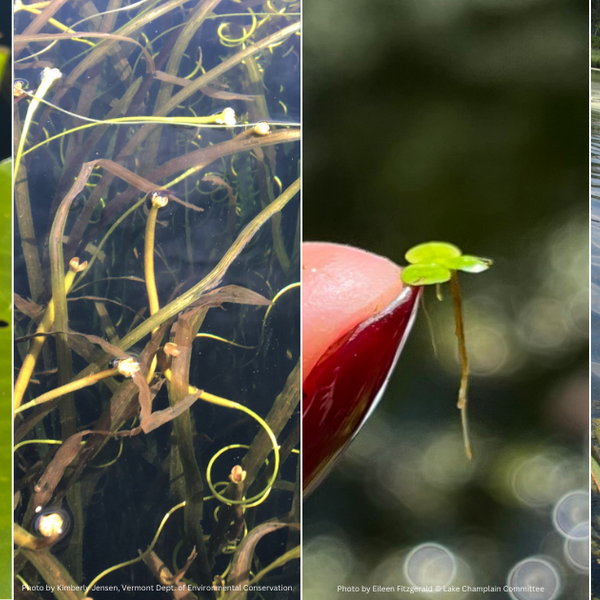
They touch the tips of swimmers’ toes, wrap around fishhooks, anchors, and paddles, and form underwater meadows near shorelines—native aquatic plants are ubiquitous in Lake Champlain Basin waterbodies. The roles these aquatic superstars play in lake…
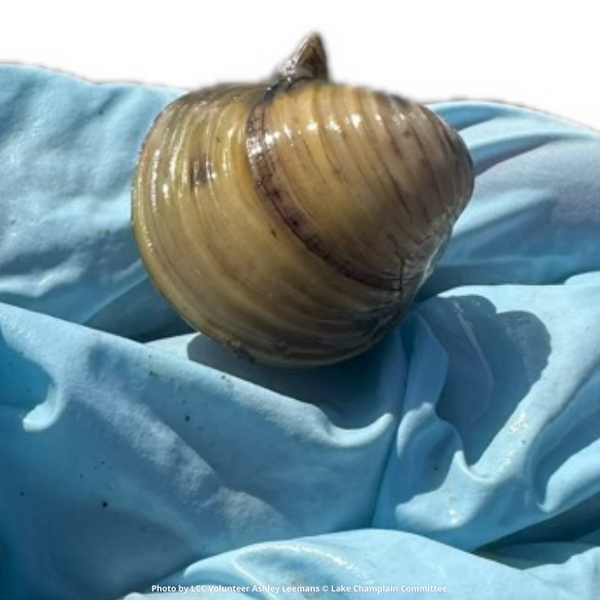
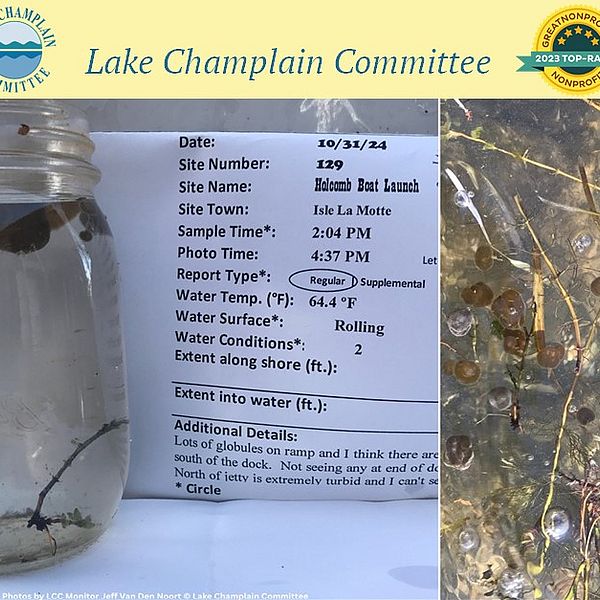
In late October Lake Champlain Committee (LCC) community science volunteer Ashley Leemans tossed an aquatic rake into Lake Champlain and pulled in a clam while doing a routine monitoring check for aquatic invasive species (AIS) at the South Bay Boat…
When a volunteer pulled a suspicious clam from the lakebed in Whitehall, New York, as part of a routine monitoring program last month, they immediately reported the find to lake scientists. Further analysis confirmed the first known occurrence of…
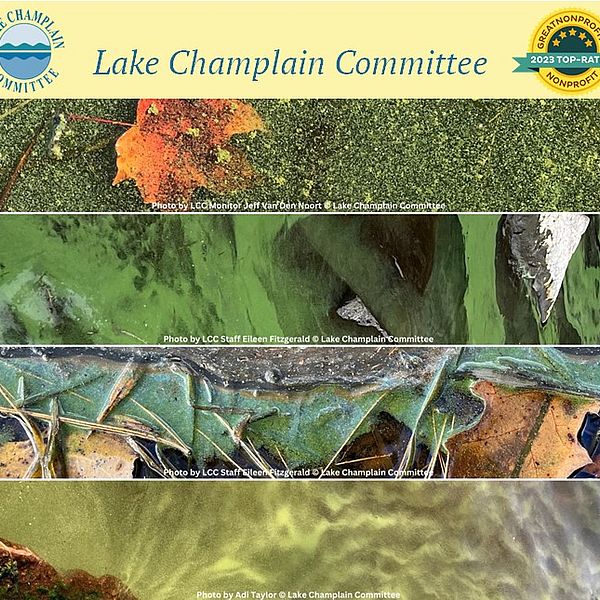
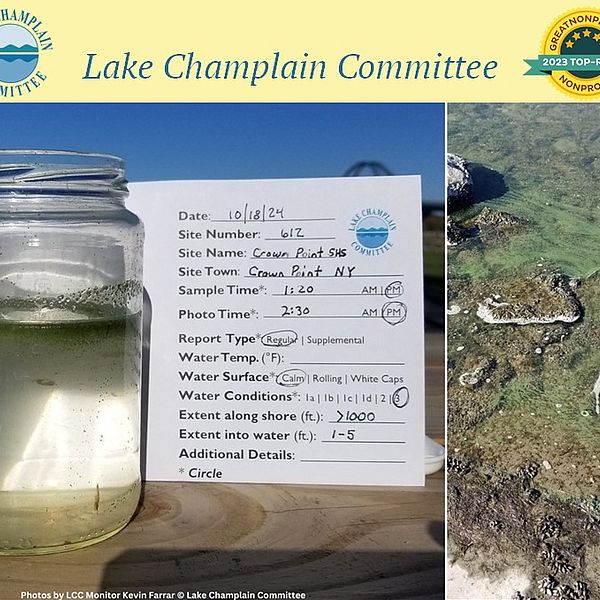
In this email you’ll find monitoring results from 10/27 – 11/2/24, resources to help you recognize and report cyanobacteria, and photographs of fall beauty at Blanchard Beach, a leafy scene, Eagle Bay solitude, wind and whitecaps at Leddy Beach, Lake…
We’re in the last few weeks of monitoring for the 2024 season with far fewer reports coming in but there are still bloom sightings so check water conditions carefully especially if you’re recreating with pets.
We have a far smaller cadre of community science volunteers checking monitoring sites this time of year so while we’re still receiving bloom reports our coverage both on Lake Champlain and inland waterways is greatly reduced.
Lawns make up a large portion of the developed area in the Lake Champlain Basin and simple changes to mowing and fertilizing practices can reduce stormwater runoff and pollution. Although lawn maintenance tends to wind down this season, fall is an…
The cooler fall temperatures reduced the number of bloom sightings but we also have far fewer monitors reporting this late in the season so blooms could have been missed due to lack of coverage.
Over a third of the 91 monitoring reports received for Lake Champlain during week 16 chronicled blooms--only the Main Lake South and South Lake segments had no blooms reported. Lake Carmi and Shelburne Pond also had reports of blooms. While the…
The number of monitoring reports received for Lake Champlain fell below 100 for the first time this year during week 15 and we only received 16 reports from inland VT waterways as more volunteers and state and municipal seasonal staff left lakeside…
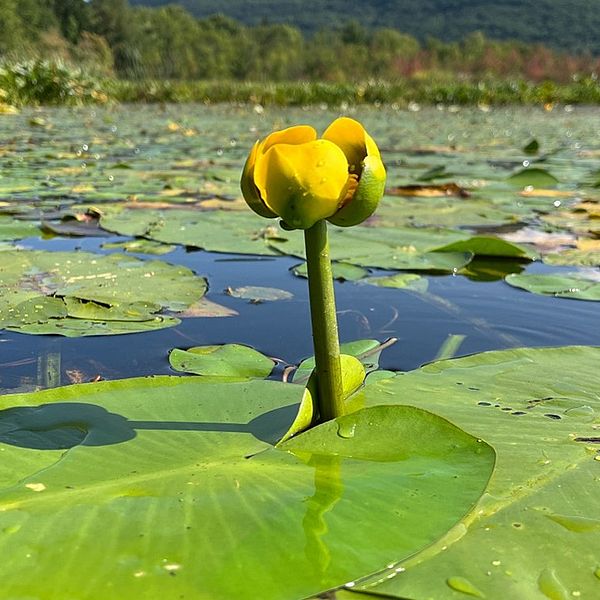
Aquatic plants in Lake Champlain will be dying back soon, but their blooms provide additional color to the vibrant autumn landscape. How did aquatic plants in the lake get there, and what helps make them successful away from land? We dig into the…
Aquatic plants in Lake Champlain will be dying back soon, but their blooms provide additional color to the vibrant autumn landscape. How did aquatic plants in the lake get there, and what helps make them successful away from land? We dig into the…