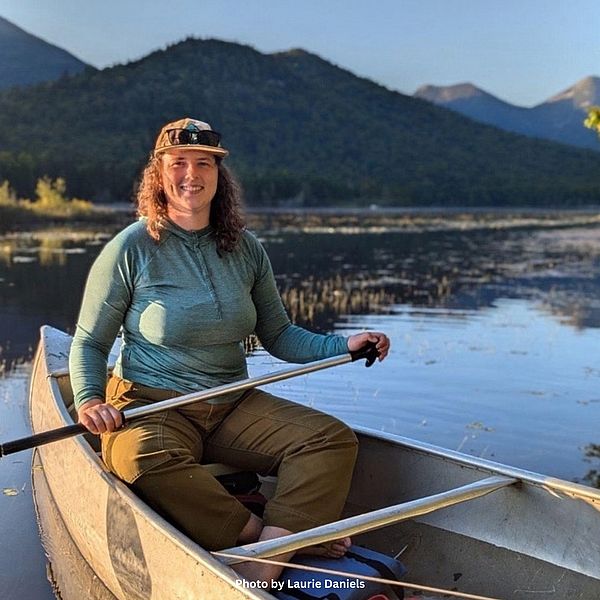
Maddy Schumacher, MSc (she/her), joined the Lake Champlain Committee (LCC) this September as the New York Education & Field Engagement Associate. Maddy lives in the Adirondacks High Peaks region and has over a decade of experience working in and…
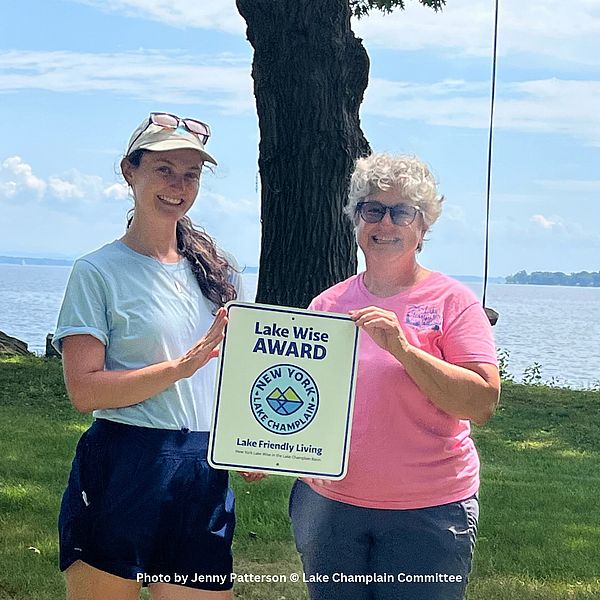
In August, LCC assessed two properties in Chazy, NY that were the first in the state to earn Lake Wise awards! Lake Wise is a free program where waterfront properties are assessed for lake-friendly practices and receive technical assistance.…
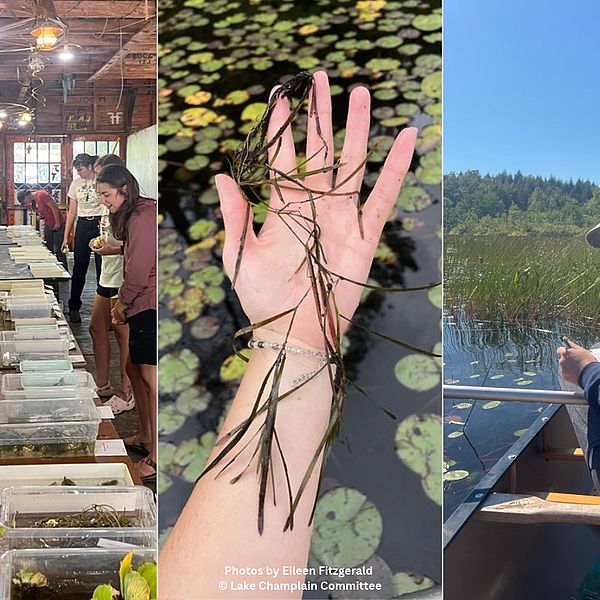
For the past five years, scientists, lake managers, and technicians from across the Northeast have converged annually during the first week of September for a three-day intensive to dive into the world of aquatic plants. Organized and hosted by the…
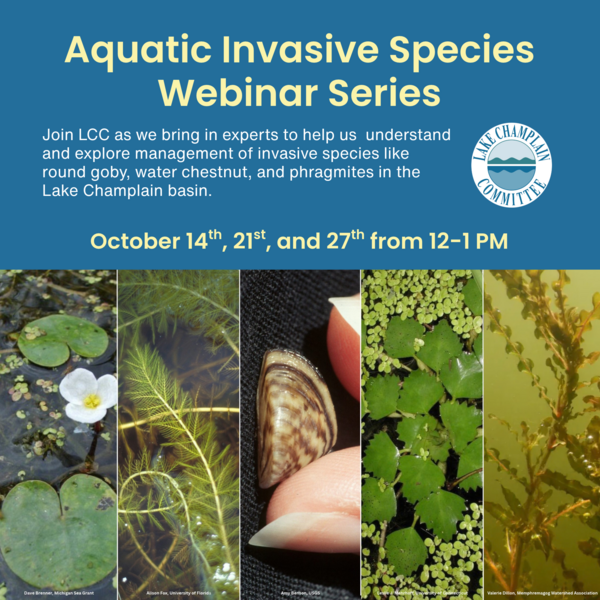
LCC is excited to announce our upcoming webinar series on aquatic invasive species! We will explore management of species like round goby, water chestnut, and phragmites in the Lake Champlain basin; with approaches ranging from boat launch…
How does the engineered “wastewater cycle” from flush to tap interact with the natural water cycle, how has treatment changed over time, and what does that mean for water quality?
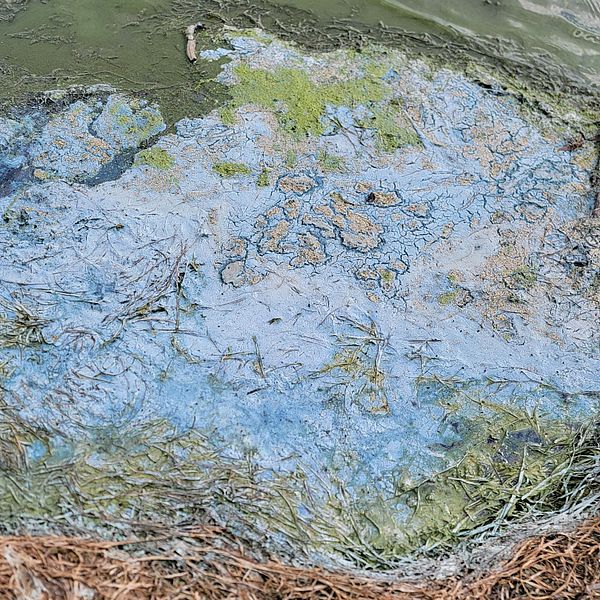
As we move into fall, cyanobacteria blooms are still appearing, but this week’s activity was concentrated in just a few areas. On Lake Champlain, 11 of 95 reports documented bloom conditions, with nearly all occurring in the Inland Sea. Vermont’s…
An unintended consequence of boating as watercraft are moved from one waterbody to another is the transport of aquatic invasive species. Many of these troublesome plants and animals can hitchhike on fishing gear, in bilge water, or even in tiny…
According to reports, cyanobacteria blooms across monitoring sites varied in intensity this week. On Lake Champlain, 17% of reports indicated low or high alert blooms, with many of the blooms located in St. Albans Bay, the Inland Sea, Main Lake South…
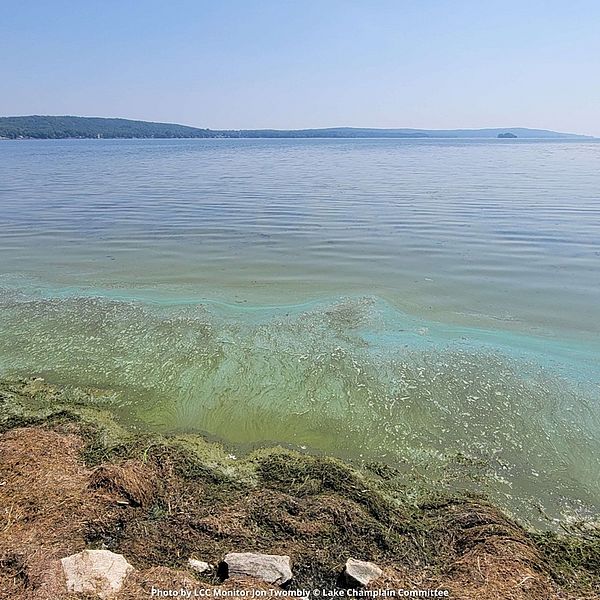
Cyanobacteria appeared in many forms this week, from subtle green concentrations along the shoreline to dense surface accumulations. Of the 120 observations submitted for Lake Champlain, 29 documented bloom conditions, with much of the activity…
This week marked the highest bloom activity of the 2026 monitoring season so far. Of the 164 reports submitted, 60 (36%) documented bloom conditions, including 17 low alerts and 43 high alerts. St. Albans Bay and the Inland Sea experienced…
School is back in session, and students throughout the Lake Champlain watershed will be looking out from classrooms as autumn showers drench their campuses.
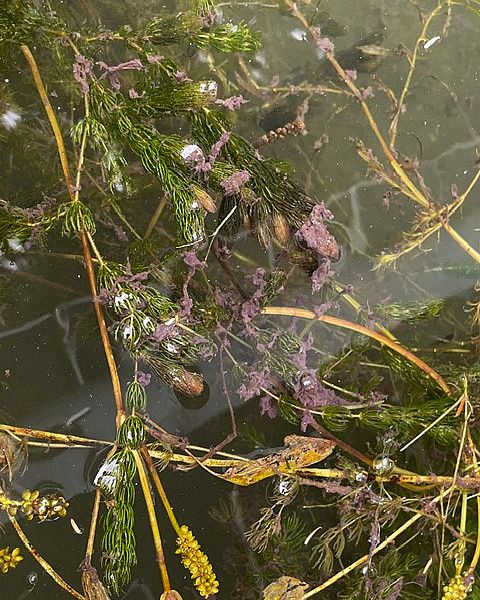
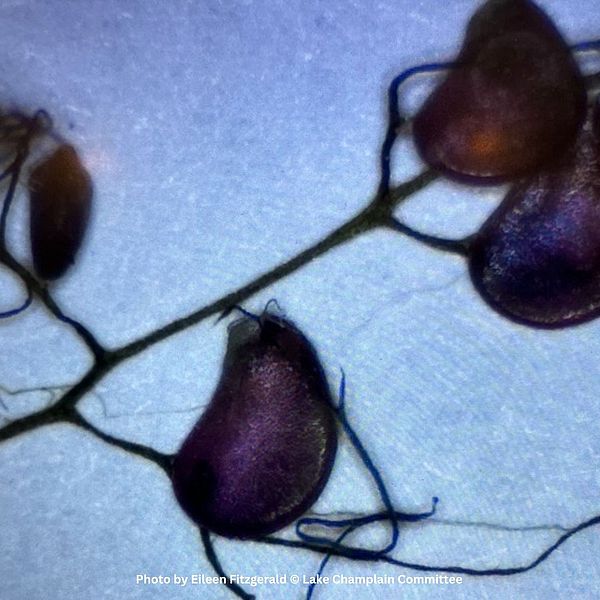
Pink-purple blooms of Planktothrix continued at Silver Lake this week. This type of cyanobacteria looks quite different from the green blooms more commonly reported in Vermont, forming long, stringy strands that have been described as looking like…
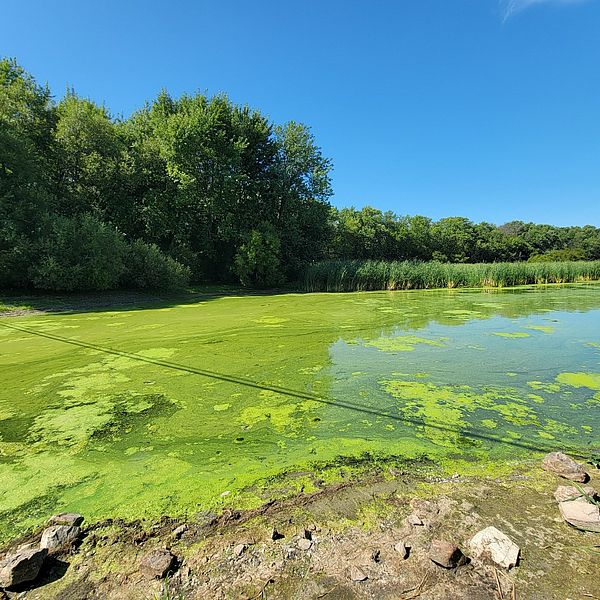
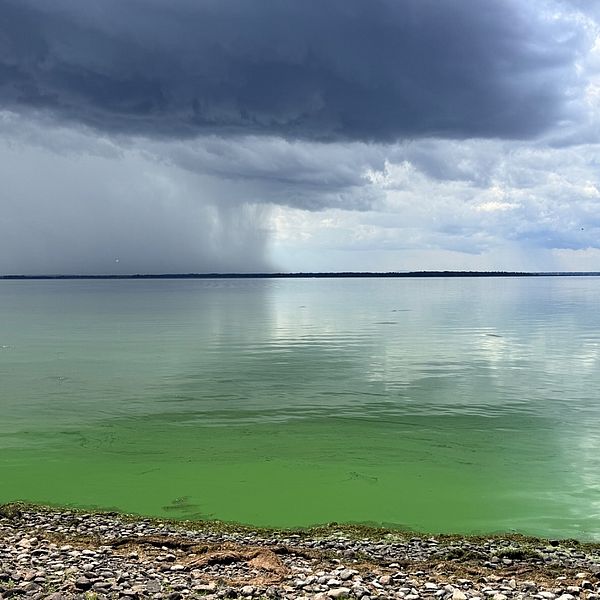
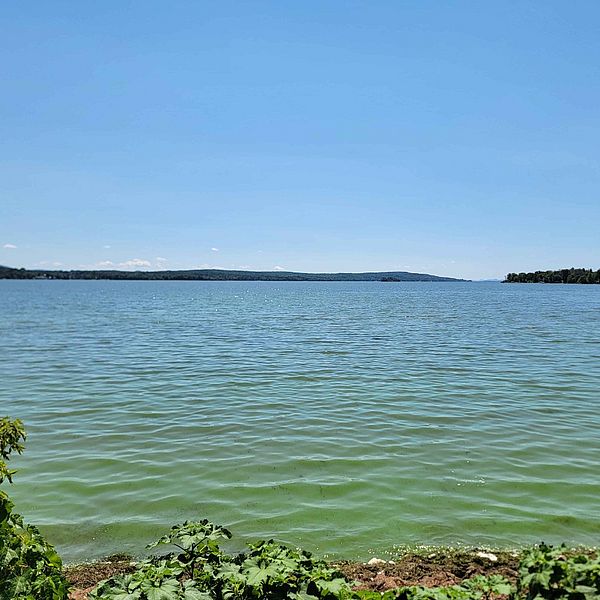
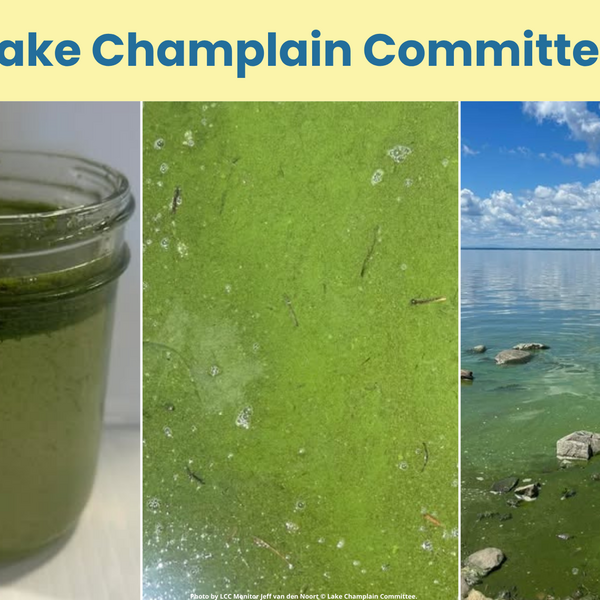
Bloom activity was high this week, with 24% of reports indicating bloom conditions, including 31 high alerts. These photos capture blooms from around Lake Champlain and Lake Carmi, many showing a familiar combination of calm water and dense green…
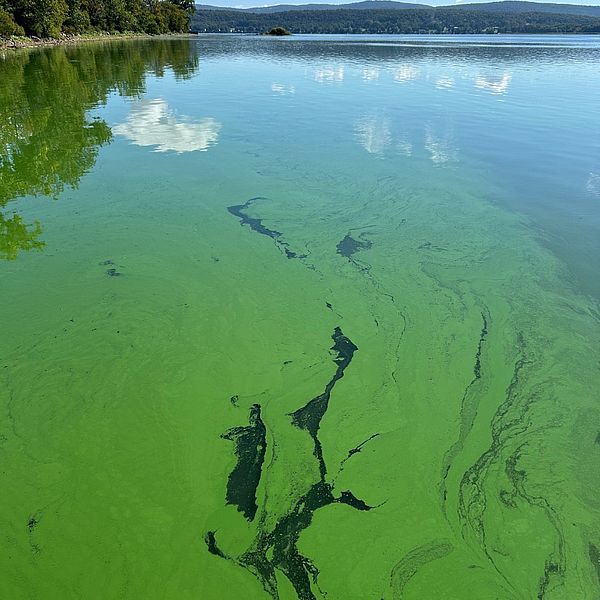
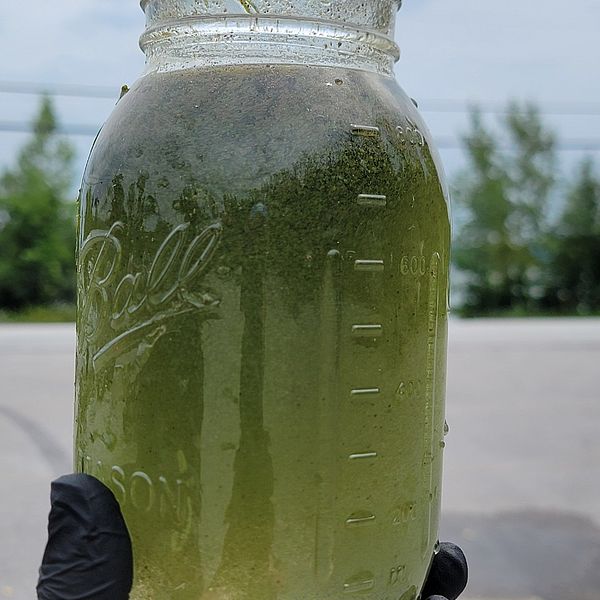
Bright green surface scums were a common sight among this week’s bloom reports. This Category 3 (high alert) bloom off Stanley Drive in Philipsburg, QC, is a great example of how calm water can allow cyanobacteria to rise and gather at the surface,…
Bloom activity remained concentrated in St. Albans Bay this week, where 67% of reports documented blooms. The Category 3 (high alert) bloom at Hathaway Point pictured shows just how dense conditions became, with a thick shoreline accumulation and a…
On August 4, 2026, LCC joined the Vermont Natural Resources Council (VNRC), Conservation Law Foundation (CLF), Let’s Build Homes and the Vermont Agency of Natural Resources (ANR) in announcing a set of action steps and shared goals ...
LCC and Tetra Tech hosted a three-part webinar series exploring the growing field of benthic cyanobacteria research and monitoring across North America. These sessions brought together leading scientists and public health experts from around the…
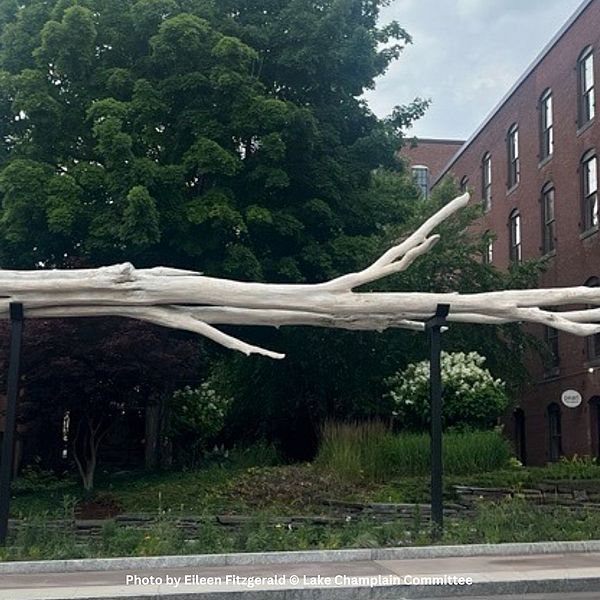
Artist Nancy Winship Milliken's public artwork invites viewers to reflect on the connections between forests and waterways, history, ecology, communities and landscapes, and the choices that shape the future health of the Lake Champlain watershed.
Each summer, thousands of people turn to the Cyanobacteria Tracker before heading to the lake. While blooms that turn the water green may seem like a modern problem, the organisms behind them have existed for billions of years. The story of…
Lake Champlain continued to see relatively few cyanobacteria blooms this week, with just three high alerts and six low alerts reported across the lake.
After several active weeks, bloom reports declined across Lake Champlain, with 12 blooms documented and no blooms reported on Vermont's inland lakes. Although wildfire smoke created hazy conditions throughout the week, monitors continued to submit…
Volunteers submitted 201 monitoring reports this week, with nearly one in four reports documenting bloom conditions on Lake Champlain. St. Albans Bay experienced the highest percentage of blooms, while Main Lake Central received the greatest number…
Week 3 brought cyanobacteria blooms to several regions of Lake Champlain, with 14% of monitoring reports indicating bloom conditions. Missisquoi Bay recorded the highest percentage of blooms relative to the number of reports received, with one-third…
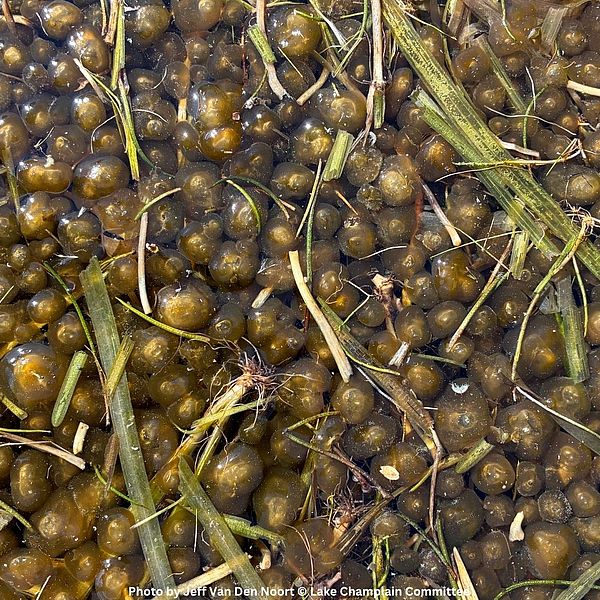
Hidden in the shallows of Lake Champlain lurks a predator who engulfs its unlucky prey in milliseconds, waiting for its next meal. This speedy carnivore is neither freshwater shark nor sinister cryptid cousin to Champ, but rather a harmless-looking…
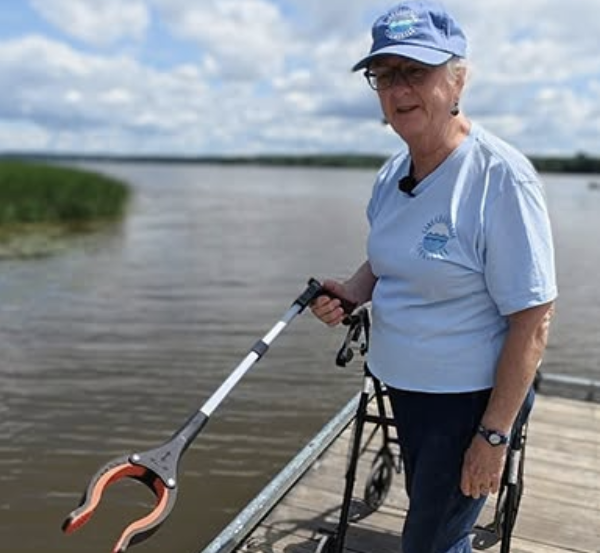
Judy monitors Shelburne Bay for cyanobacteria each week throughout the season and is one of the many dedicated volunteers helping keep Lake Champlain users informed about cyanobacteria conditions. Way to go, Judy!
The second week of monitoring brought the season's first widespread reports of cyanobacteria blooms, with monitors documenting green surface accumulations and shoreline scums at several locations around Lake Champlain and inland lakes. The Category 3…
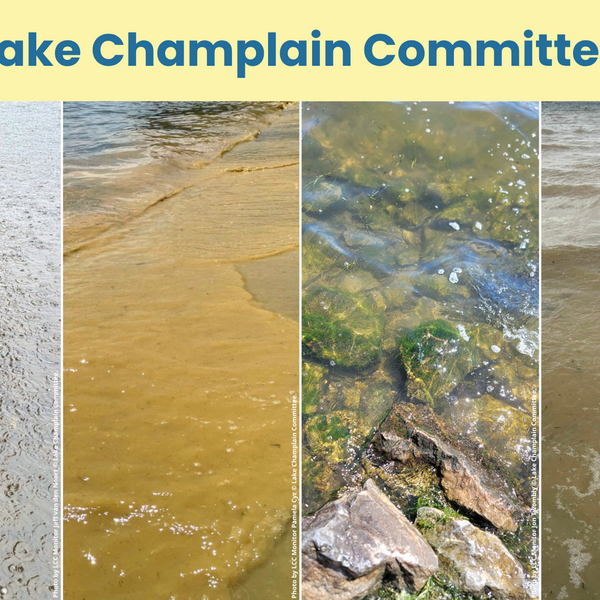
The first week of the 2026 cyanobacteria monitoring season (6/14 - 6/20/2026) kicked off with rainy weather and a range of generally safe conditions around Lake Champlain - though some phenomena including turbid waters, pollen-filled shorelines, and…
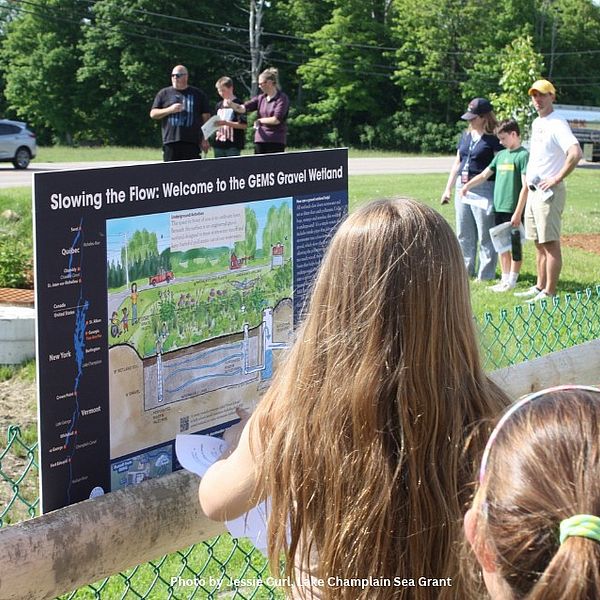
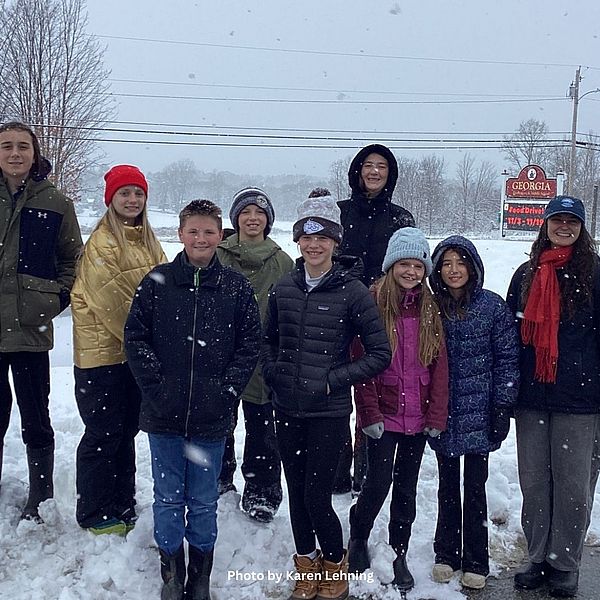
Join LCC at Georgia Elementary & Middle School this Thursday as student leaders give a tour showing how the school's gravel wetland is slowing the stormwater flow!
The story of the Lake Champlain watershed cannot be told without trees. Over 70% of the land that drains into the lake is forested, and these forests are deeply connected to the health of our waters. From filtering runoff to storing carbon, trees…
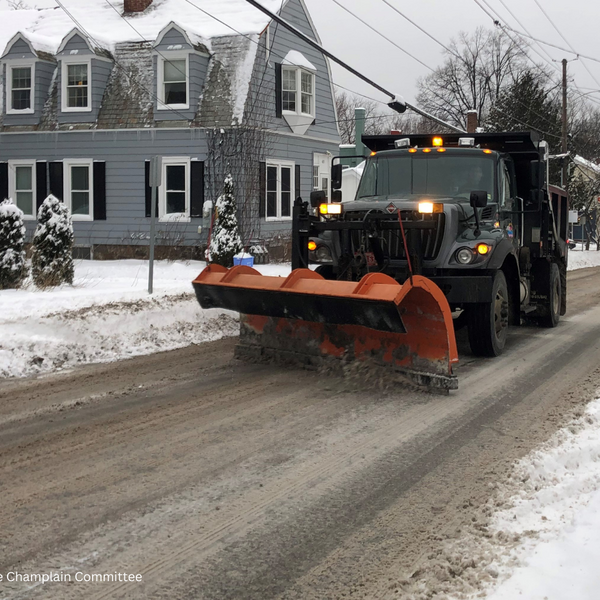
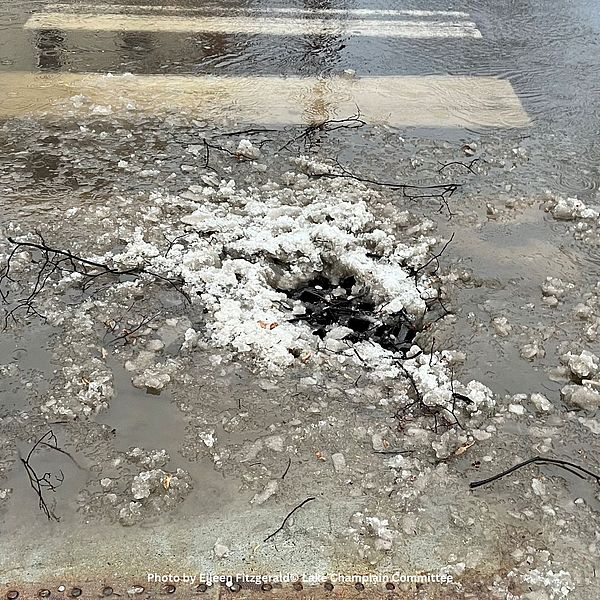
The Lake Champlain Committee expressed disappointment with Governor Phil Scott’s veto of S.218, a bill intended to reduce the excessive use of road salt on roads and sidewalks in Vermont. Chloride contamination leaches into the ground and impacts…
Lakeshores are beautiful places alive with energy and activity, but that beauty is both a blessing and a curse: it makes them make desirable locations for development and housing. Traditional modes of lakeshore development have prioritized human…
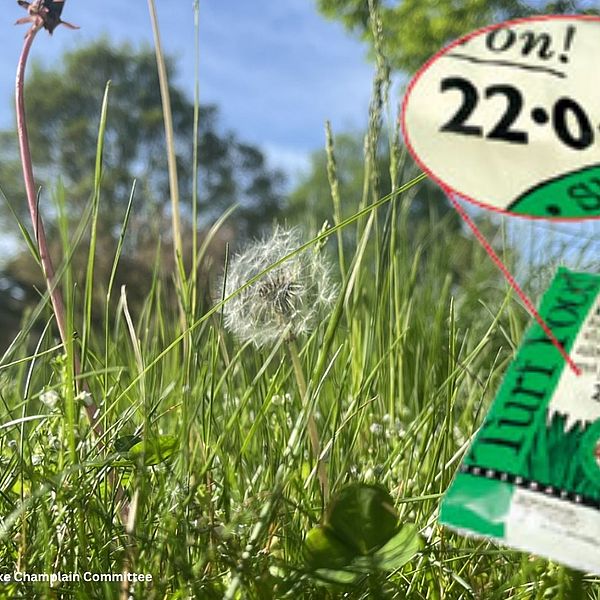
With springtime in bloom, many homeowners are trying to green up their lawns with fertilizers. Most lawns in our region don’t need added phosphorus (P) to thrive, but it’s easy to buy products that contain it without knowing. Phosphorus is one of the…
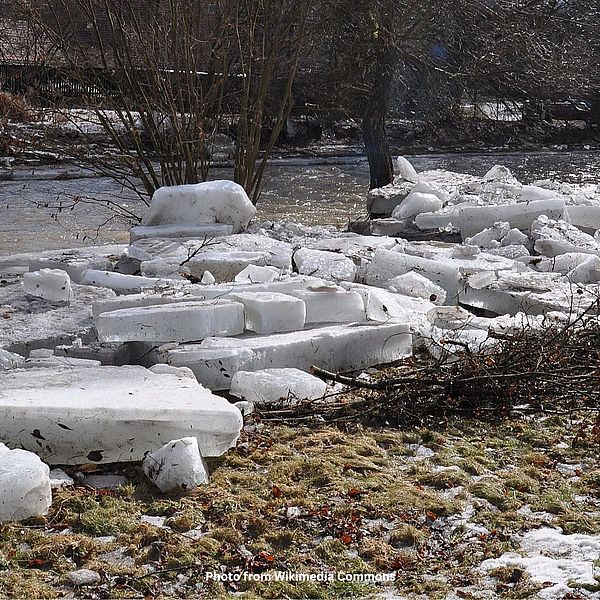
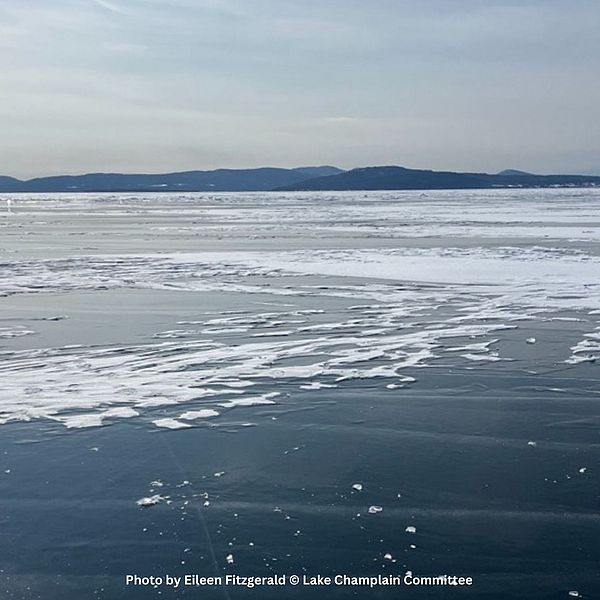
Flood watches were issued in parts of New York and Vermont this March as warm temperatures thawed the frozen tributaries of Lake Champlain. With snowmelt raising water levels and large chunks of ice breaking up and floating downstream, ice jams…
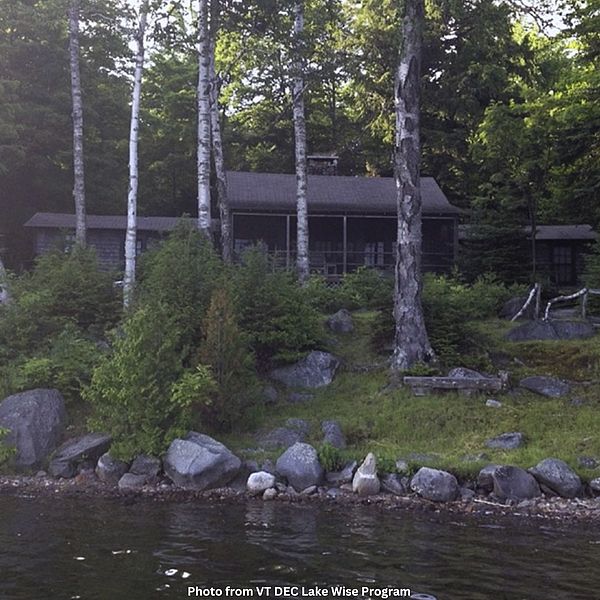
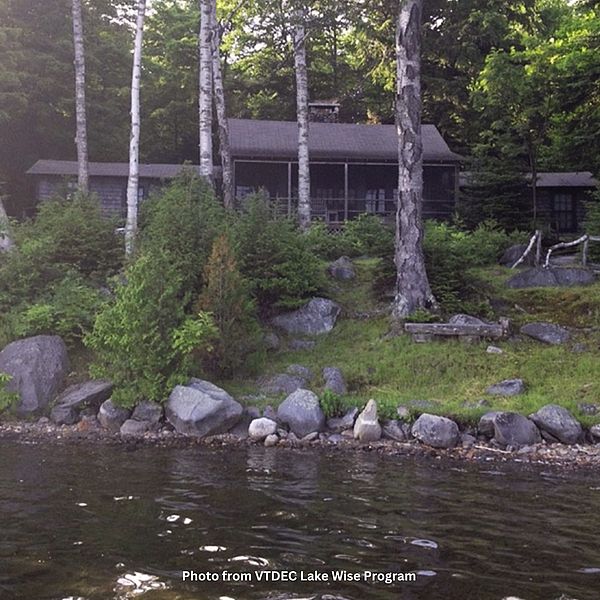
Lake Wise is a program that helps landowners support shoreline habitat and lake health. LCC is offering free Lake Wise assessments for properties on Lake Champlain and helping the program grow in New York where it is being offered for the first time…
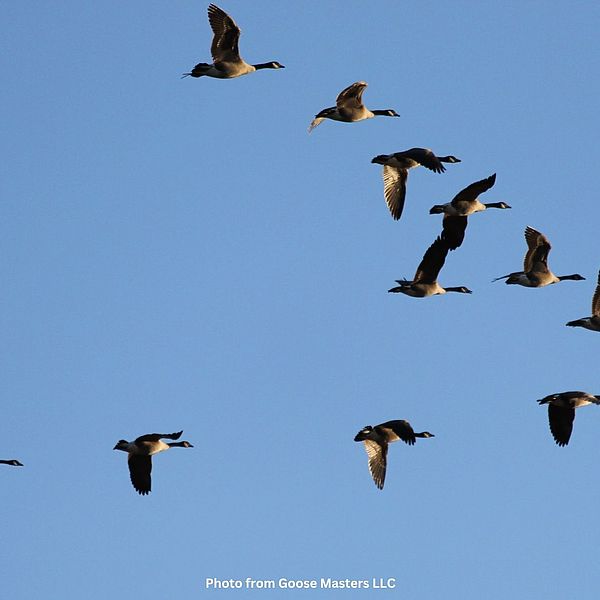
Just when you think that winter will never end, delicate signs of spring begin to speckle the Lake Champlain region. One early harbinger of the season is migratory geese in flight, their elegant V-formations contrasting with the blunt honks that…
Winter may seem to have a steady grip on our region, but the successively longer days of March are setting the stage for a seasonal change. Every extra minute of sunlight encourages the snowy mountaintops and icy riverbanks to melt. Snowmelt flows…
LCC is proud to share that Dr. Ann Ruzow Holland, former LCC Board Member (2011 – 2021) and long-time dedicated cyanobacteria monitor, has been elected to the College of Fellows of the American Institute of Certified Planners (AICP).
If you’ve ever eaten or thought about eating fish, from Lake Champlain or otherwise, you have likely been warned of mercury. But how does mercury get into fish in the first place, and what does that mean for public and environmental health in the…
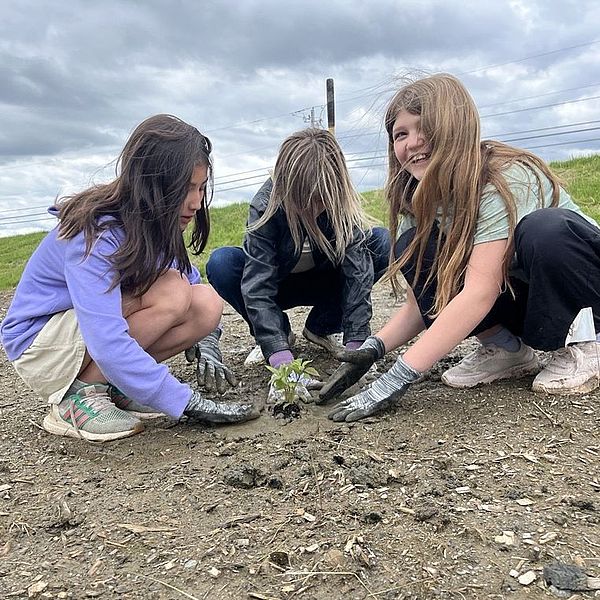
LCC is partnering with GEMS through a Lake Champlain Basin Program grant to learn about stormwater runoff, green infrastructure and gravel wetlands at their school, and create a landscaping design with students to plant for water quality.