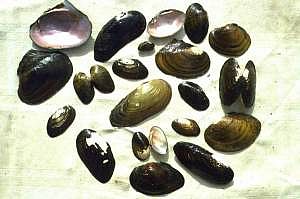
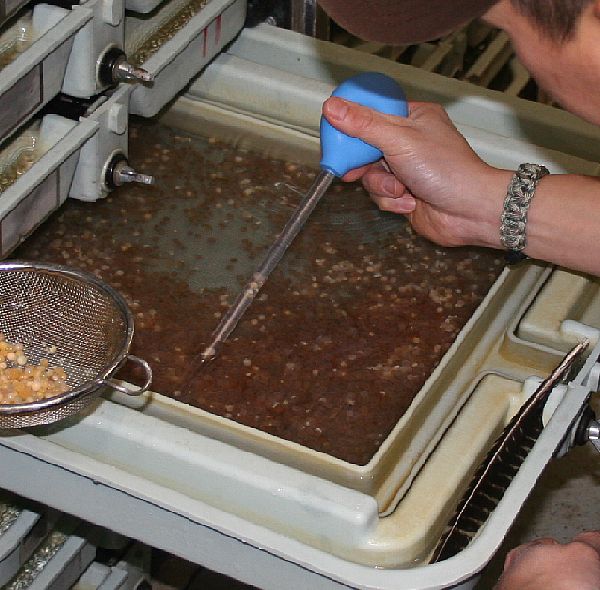
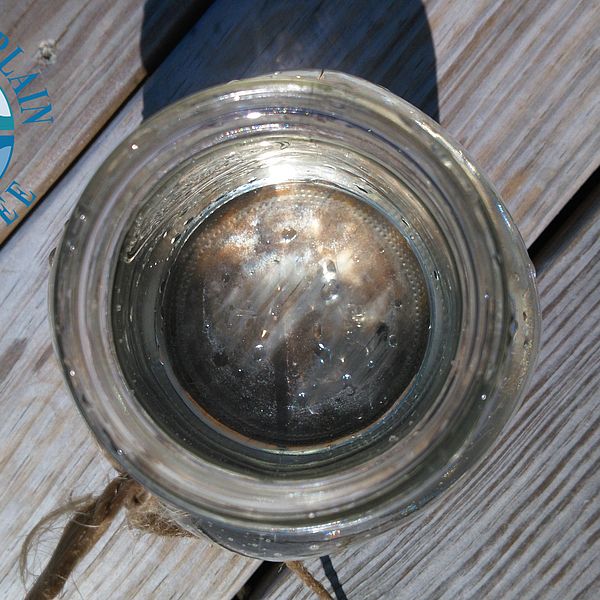
Every month, the Vermont's Clean Water Initiative Program highlights a "Clean Water Superstar", species that help keep waters swimmable, drinkable, and fishable. This month the spotlight is on mussels, the hardworking mollusks thatfilter algae,…
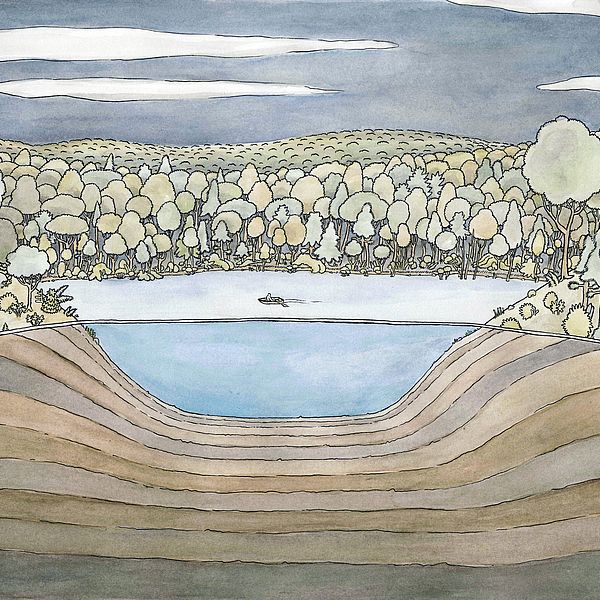
Walden Pond is a 62-acre kettle pond in sand and gravel that formed around a block of melting glacial ice about 15,000 years ago. It was here that Thoreau produced one of the first maps of an American lake bed by lowering a weighted line through…
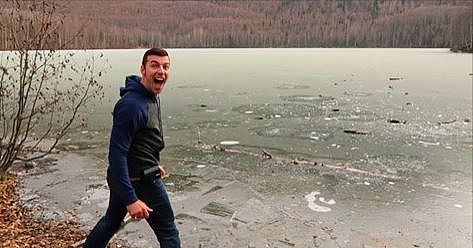
When Cory Williams moved from California to Alaska he skipped rocks across the ice-covered surface of Edmonds Lake and was wowed by the "coolest sound ever".
Vermont lakeside communities would lose $16.8 million in economic activity and 200 full-time jobs - in July and August alone - for every one-meter (three-foot) decrease in water clarity according to a study recently released by the University of…
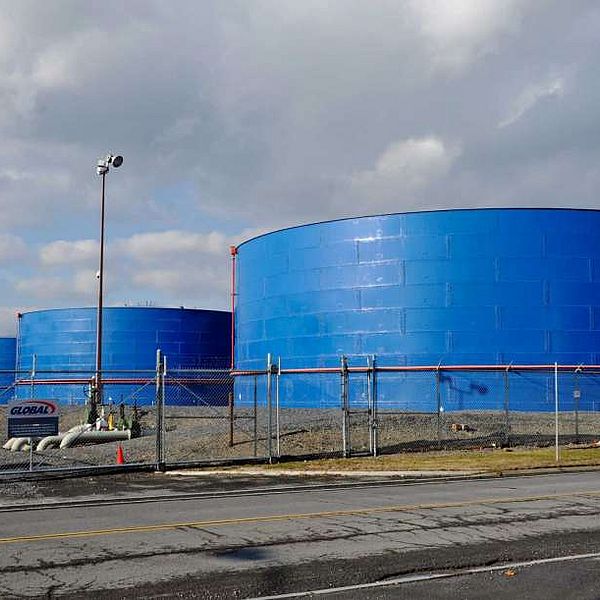
The New York State Department of Environmental Conservation (DEC) has informed Global Partners LP that an air quality renewal permit for its Albany terminals, approved more than four years ago, would be considered as a new application, which requires…
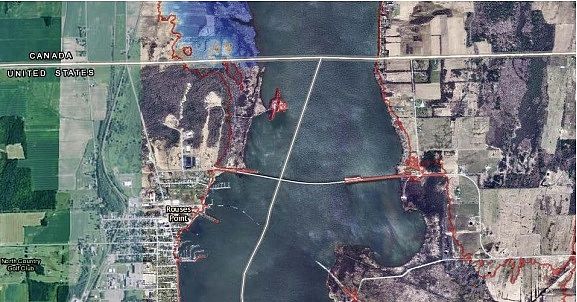
New research suggests that Lake Champlain may be more susceptible to damage from climate change than was previously understood-and that, therefore, the rules created by the EPA to protect the lake may be inadequate to prevent algae blooms and water…
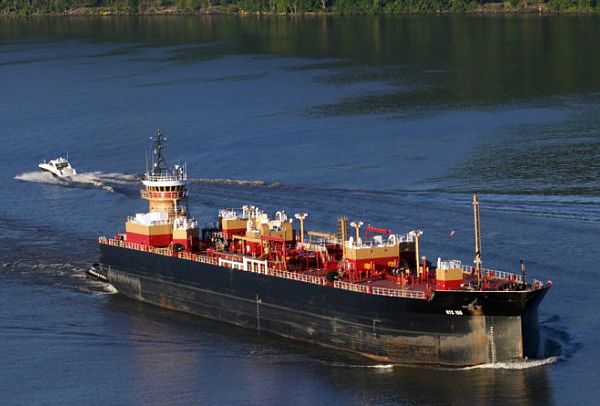
Earlier this month, LCC joined with the Adirondack Mountain Club, National Wildlife Federation, Environmental Advocates of New York, and the City of Plattsburgh in opposition to a proposal to establish new anchorage grounds on the Hudson River.
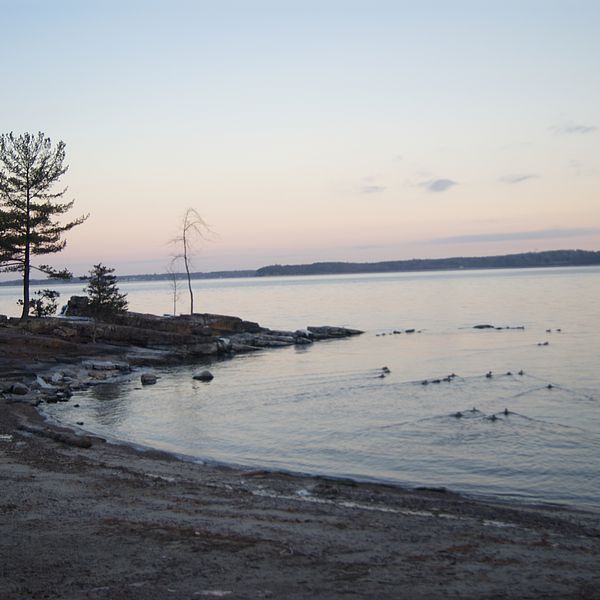
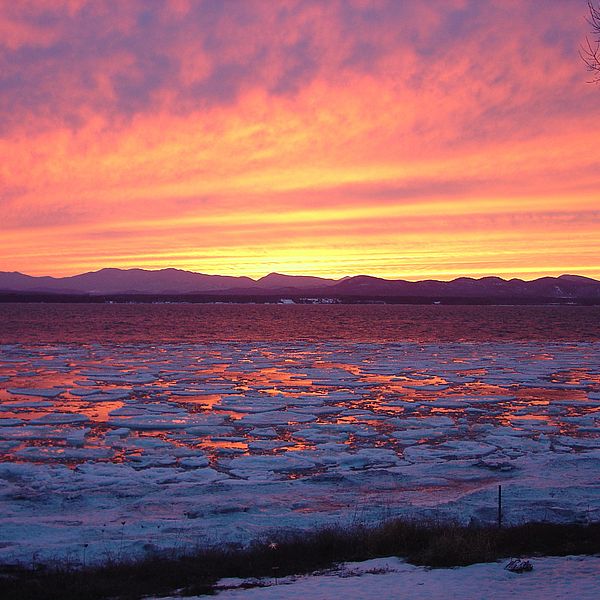
Winter brings to Lake Champlain, and to the many smaller lakes and ponds around the Lake Champlain Basin, a window into a world where the normal rules of life are suspended.
After 15 1/2 years as LCC Staff Scientist, Mike Winslow left LCC earlier this year for a post at the VT Experimental Program to Stimulate Competitive Research(EPSCoR).
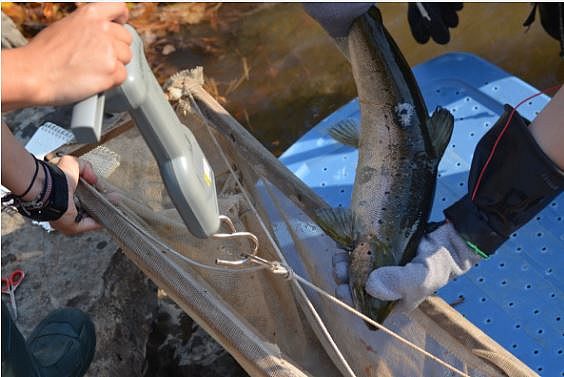
After being devastated by Tropical Storm Irene in 2011, the White River National Fish Hatchery was closed and its decades-long Atlantic salmon restoration effort dropped. Five years and roughly $2.4 million later the hatchery is rebuilt and raising…
Lake Champlain reached record levels in the spring of 2011 from storm events and snowmelt. These floods devastated communities. State and local communities are acting now to be better prepared for future floods.
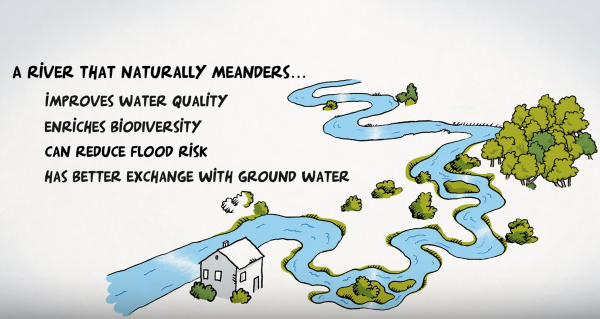
This video from France beautifully illustrates how human and natural communities are safer and healthier through the protection of natural flows, floodplains and meandering rivers.
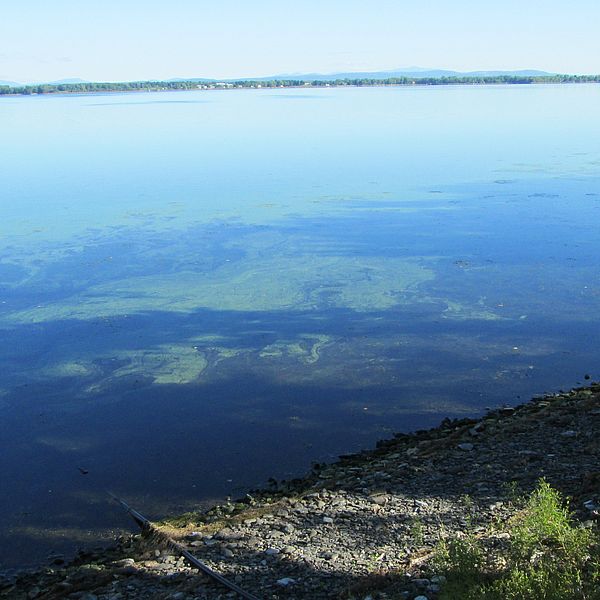
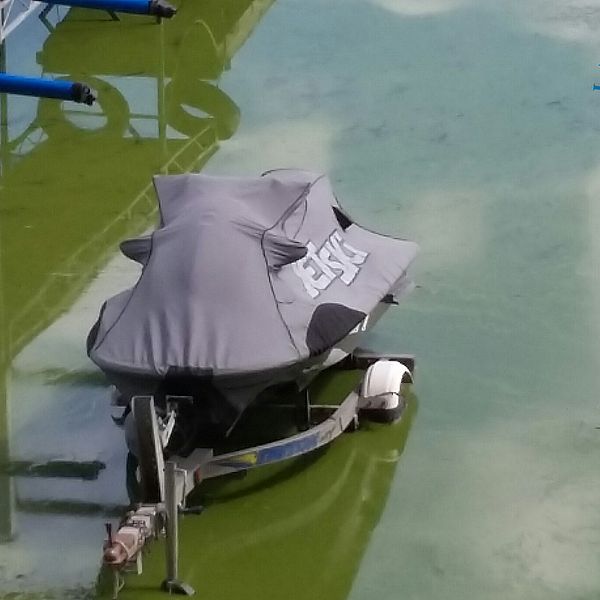
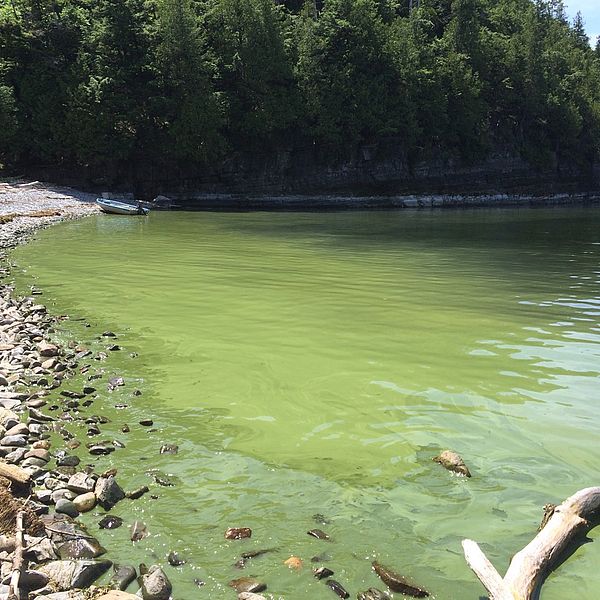
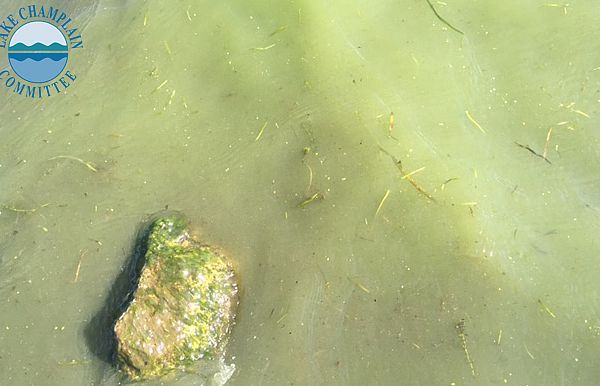
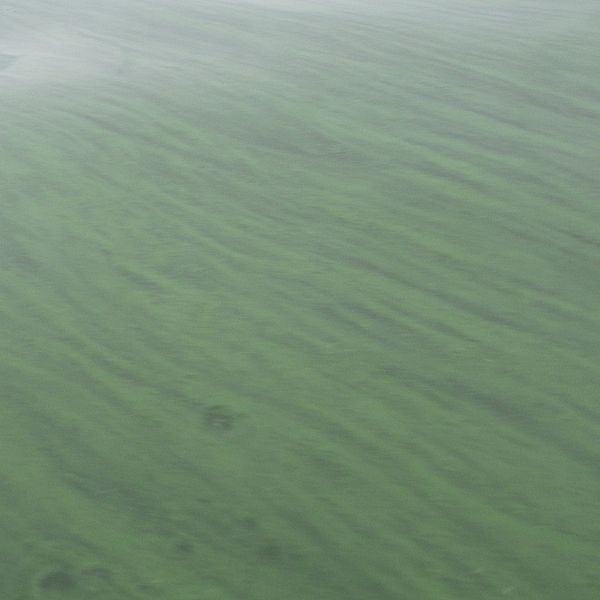
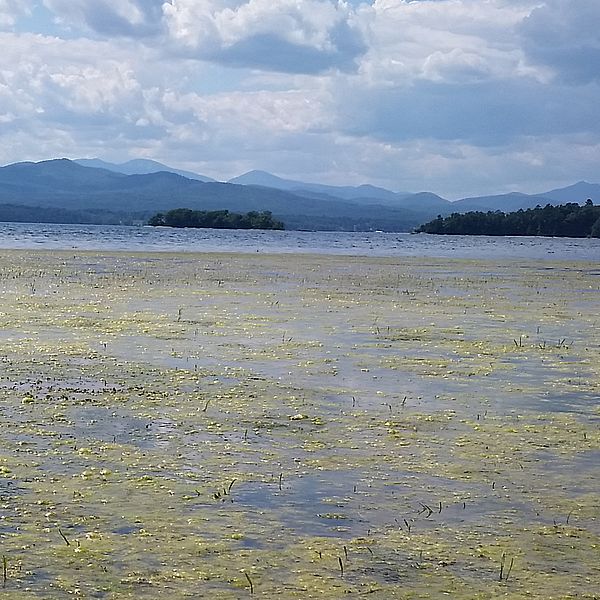
Cyanobacteria blooms are still present in areas of Lake Champlain and some inland lakes. Calm and sunny weather is in the forecast so blooms may persist for several more weeks in some areas.
LCC monitors reported alert conditions for several locations in St. Albans Bay, Missisquoi Bay, and the Inland Sea and at some inland lakes this week. Read LCC's weekly report and check conditions carefully before recreating. Keep people and pets…
After EPA released a final phosphorus <link learn news item the-limits-of-epas-pollution-plan-for-lake-champlain>Total Maximum Daily Load for Lake Champlain in June, the state of Vermont now has the responsibility for assuring the pollution loads identified can be met.
A new rule to address combined sewer overflows (CSOs) was recently approved in Vermont. Combined sewer systems collect both sewage and stormwater in the same pipe.
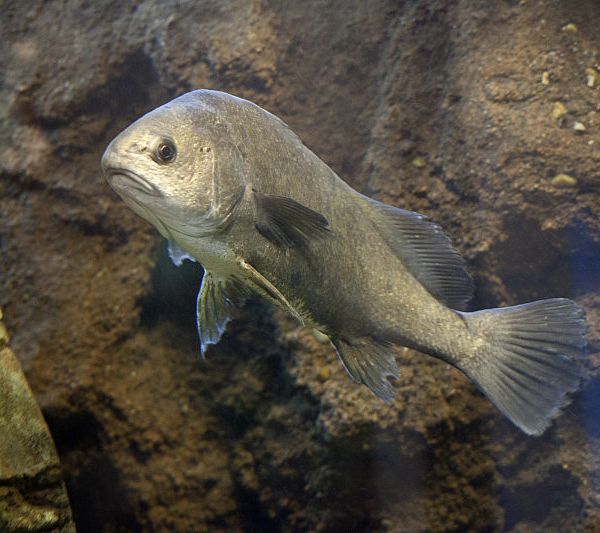
Twelve-year-old Amelia Whalen of Witherbee has some fish story today. She got the catch of her life on Lake Champlain, June 4 in Essex, NY when she landed a 36.5 inch, 29 pound 14 ounce freshwater drum.
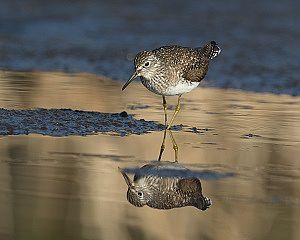
Late August and early September are the peak times for shorebird migration. The diminutive birds are mid-way on their flight from breeding grounds in northern Canada to the Caribbean and points further south.
Blooms were spotted in St. Albans and Missisquoi Bays earlier in the week but have since cleared. No other parts of Lake Champlain reported blooms this week, and blooms were not reported from other lakes.
Mostly clear conditions around Lake Champlain this week, but a few low alert blooms in Highgate Springs, Leddy Park, and Port Henry. Chittenden Reservoir did have a high alert bloom. Find out more!