The Lake Champlain Committee (LCC), Conservation Law Foundation (CLF), and Vermont Natural Resources Council (VNRC), have jointly filed a petition requesting that the Environmental Protection Agency (EPA) either force the State to correct its failed…
Vermont is becoming warmer and wetter due to climate change. Specifically, the Vermont Climate Assessment 2021 notes that both summer and spring precipitation have increased in the Green Mountain State. The Assessment cautions that “[t]his spring…
Wetlands are vital natural resources that must be protected and restored for Vermont to address the impacts of climate change, protect wildlife habitat, restore, and maintain the quality of our waters, and provide other benefits for people and…
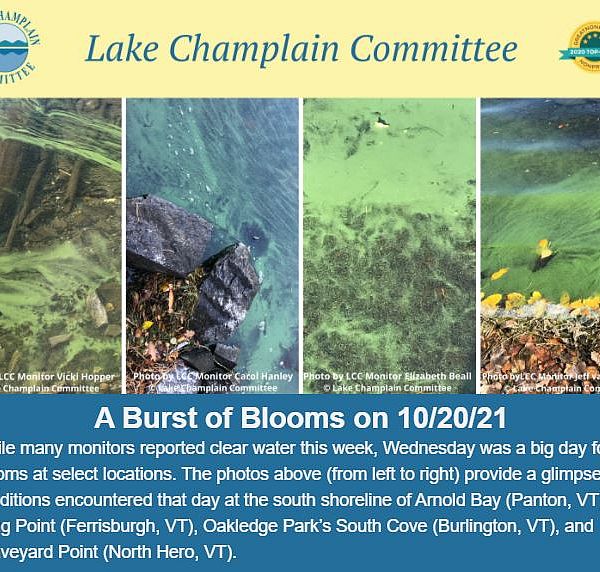
While color is fading on the hillsides, it unfortunately is still showing up in the water. October 20 was a particularly busy day for cyanobacteria sightings with blooms reported at a scattering of locations up and down Lake Champlain. Scroll through…
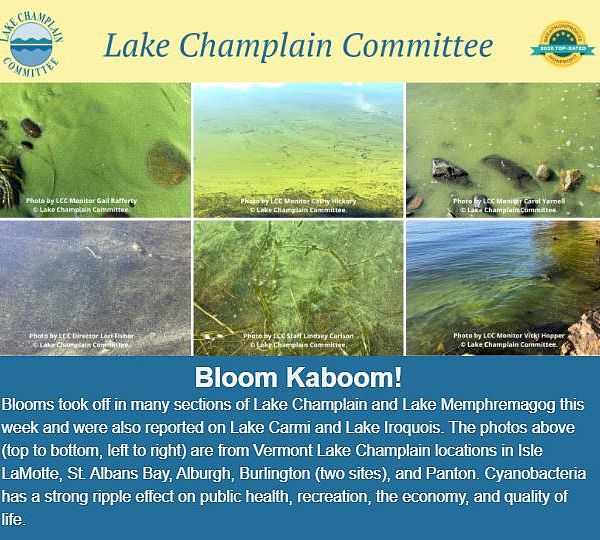
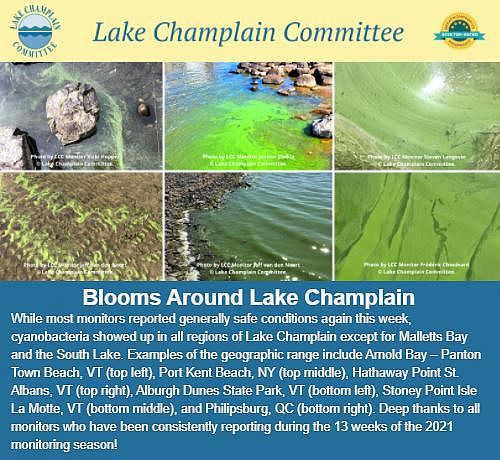
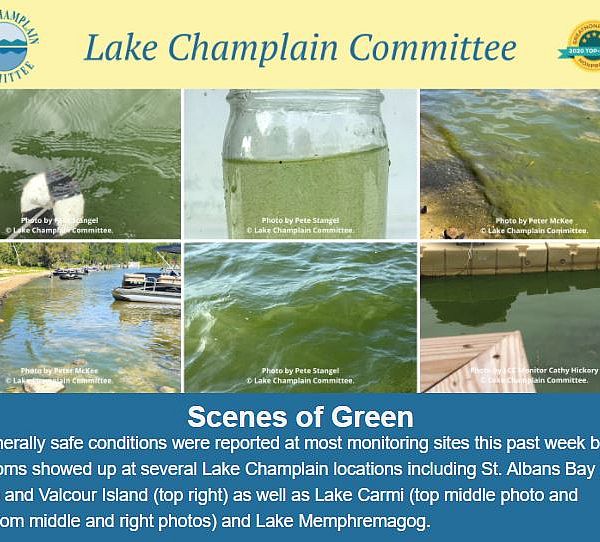
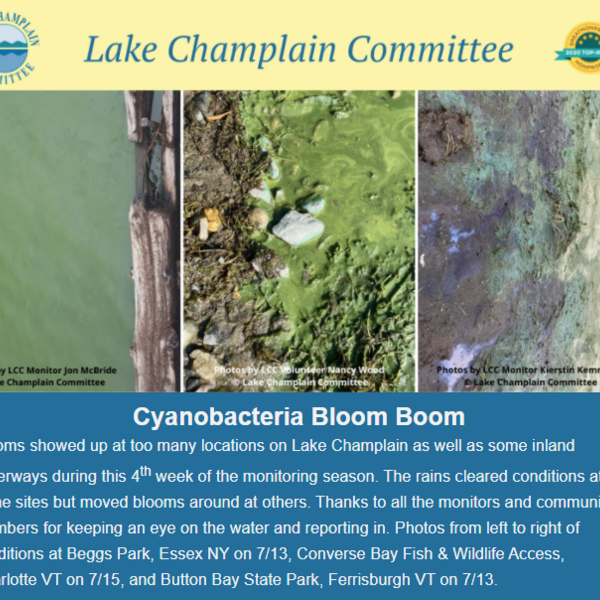
Unfortunately, this was another big week for blooms—with reports of cyanobacteria coming in from all sections of Lake Champlain except Malletts Bay, Missisquoi Bay, and the South Lake. Blooms were also reported from Clyde Pond, Lake Carmi, Lake…
Unfortunately, this was a big week for blooms—reports of cyanobacteria were chronicled at all Lake Champlain sections except the South Lake and Malletts Bay. Blooms expanded in many areas of Lake Memphremagog and were reported on Lake Carmi and Lake…
...Significant parts of the world are literally on fire, and big portions of the rest of the nation are (or were recently) underwater. Vermont itself has recently missed being hit by not one…
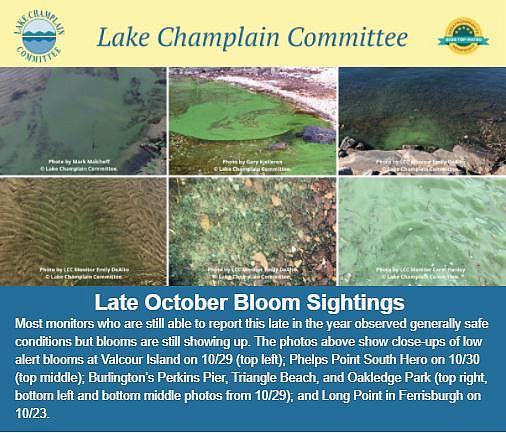
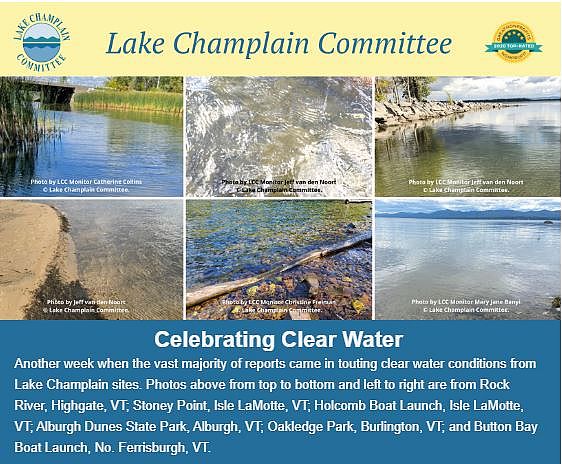
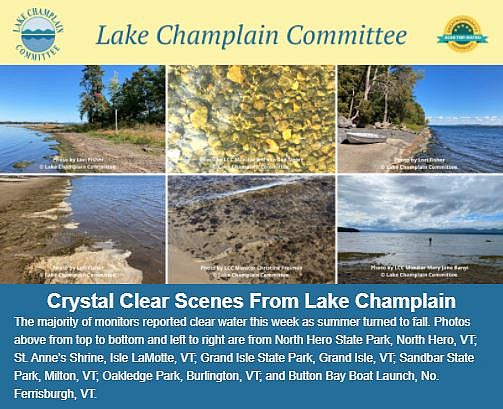
Clear water dominated on the cyanobacteria tracker during this first full week of fall and the 15th week of the cyanobacteria monitoring program. Most monitors who are still able to report recorded safe conditions, great for late-season recreation.…
Fewer reports are flowing in as we move into fall, park staff leave posts, and seasonal residents close up camps. However, late season blooms are not uncommon so please keep checking conditions whenever you recreate in or around water.
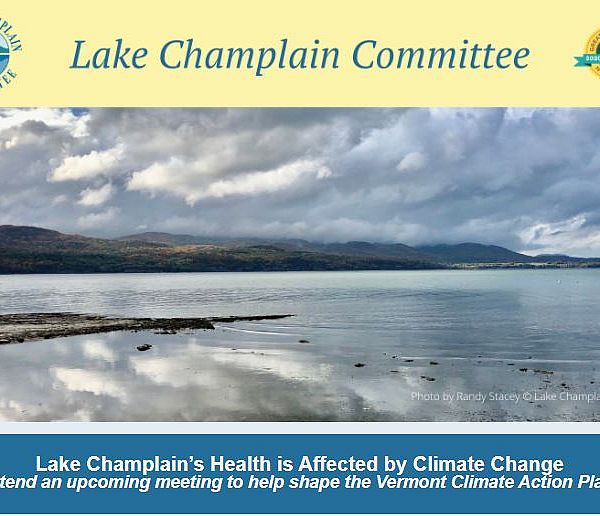
The state of Vermont is developing its Climate Action Plan and drafters need your input to produce a forward-thinking guidance document that addresses the climate emergency. Seven events to gain public comments will be held throughout the state…
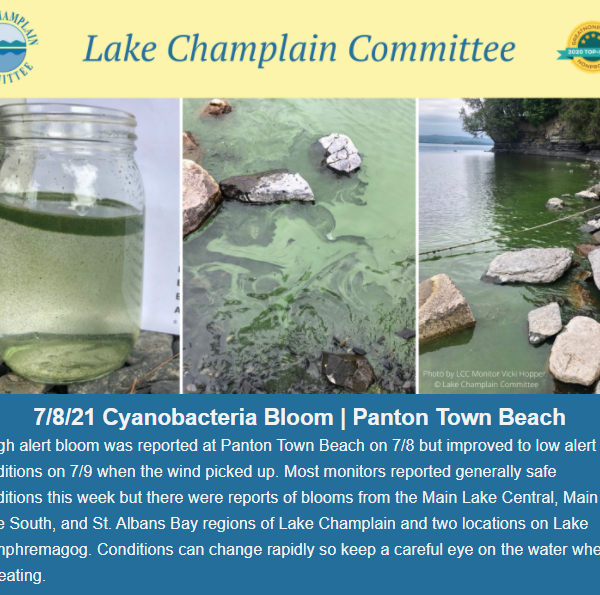
Although generally safe conditions dominated the cyanobacteria tracker again this week, we received reports of cyanobacteria from all Lake Champlain regions except the South Lake and Malletts Bay. Monitors also logged in bloom reports for some sites…
Generally safe conditions prevailed at most locations again this week but cyanobacteria was reported at Lake Champlain’s Main Lake Central, Main Lake South, Missisquoi Bay, St. Albans Bay, and South Lake and at Lake Carmi and Lake Memphremagog.
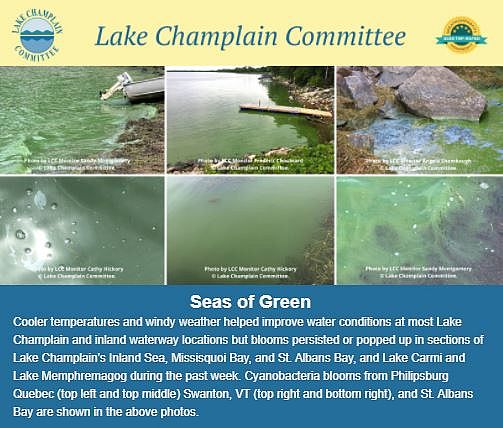
Windy, cooler weather helped improve water quality conditions during this eleventh week of monitoring. While generally safe conditions prevailed at most locations, cyanobacteria was reported at Lake Champlain’s Inland Sea, Missisquoi Bay, and St.…
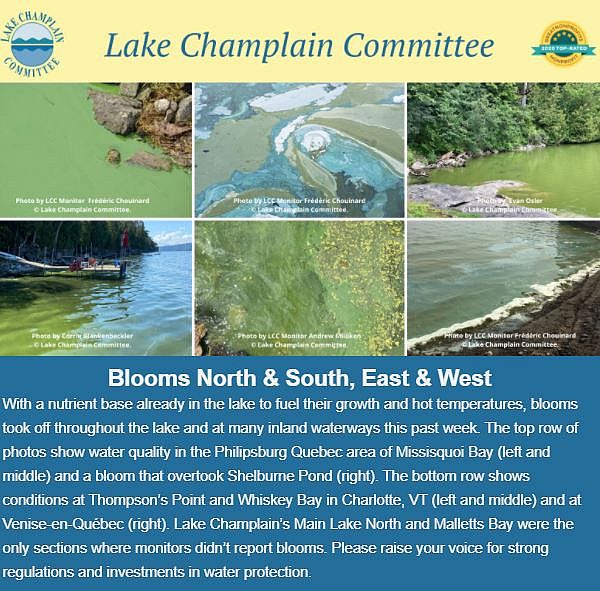
Cyanobacteria Monitors filed over 240 reports this past week as blooms popped up or persisted in numerous locations on Lake Champlain and several inland waterbodies. Lake Champlain’s Inland Sea, Main Lake Central, Main Lake South, Missisquoi Bay,…
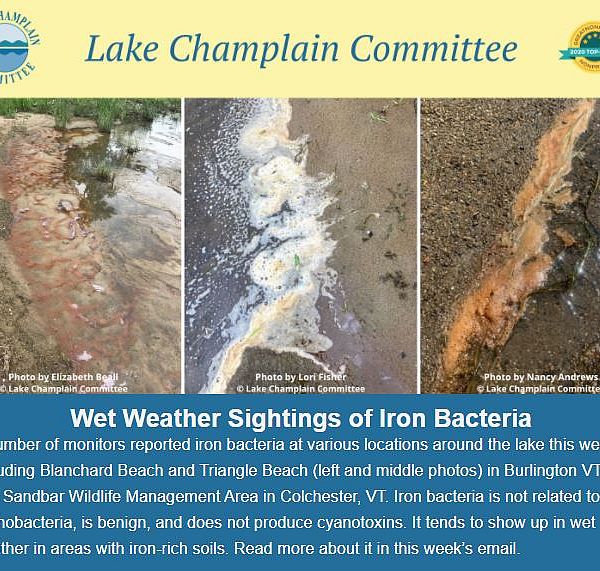
Happy Friday! Lots of green dots populated the cyanobacteria tracker this week and reports of clear water, non-filamentous green algae, and iron bacteria dominated over cyanobacteria in most areas. However, we did have cyanobacteria bloom reports…
Cyanobacteria monitors kept us busy again this week with 136 Lake Champlain reports and 43 from inland waterways. Blooms occurred in the Lake Champlain’s Inland Sea, Main Lake North, Malletts Bay, and St. Albans Bay as well as Indian Brook Reservoir…
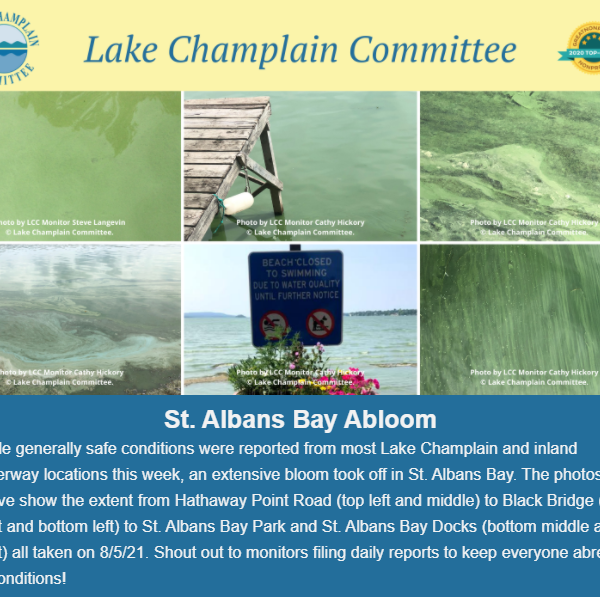
We had many clear water reports early in the week but conditions changed in some areas as the temperatures rose and the air stilled later in the week. A bloom took off in St. Albans Bay, and alert conditions were witnessed elsewhere on Lake…
Happily water conditions improved significantly this week! Roughly 85% of the Lake Champlain reports and 94% of inland waterway reports showed generally safe conditions.
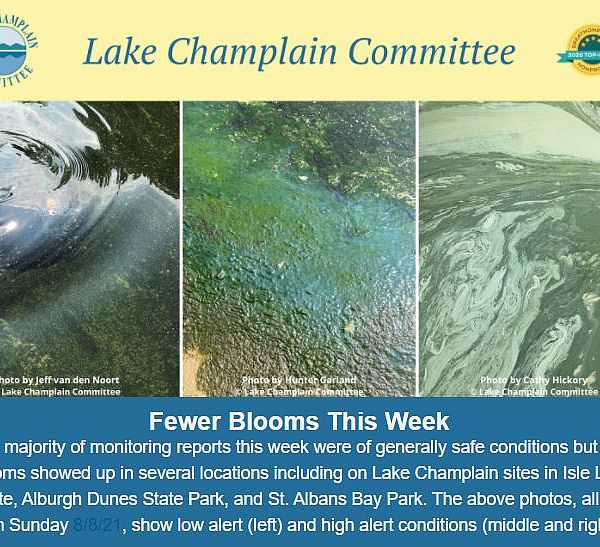
Another busy week of monitoring with variable conditions up and down Lake Champlain. While most monitors reported generally safe conditions at Lake Champlain and inland waterway monitoring sites, low and high alert blooms were in evidence too. Lake…
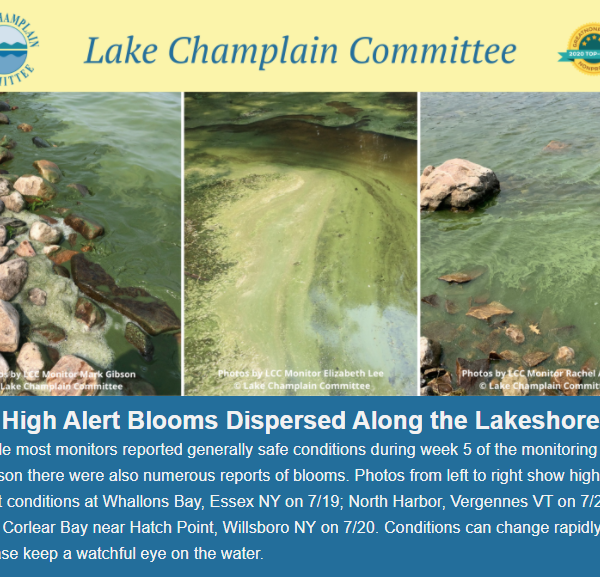
Lake Champlain Committee (LCC) and community monitors filed a total of 246 reports this week as blooms showed up in a host of Lake Champlain shoreline and inland lake locations. Escalating temperatures spurred cyanobacteria growth that closed beaches…
Although generally safe conditions still dominate on the cyanobacteria datatracker, blooms showed up in several sections of Lake Champlain and Lake Memphremagog this week.
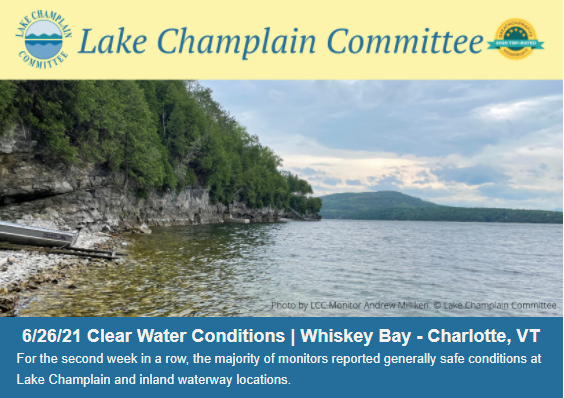
While we received some reports of low alert cyanobacteria conditions on Lake Champlain and Lake Carmi, the majority of monitors observed generally safe conditions during this second week of the 2021 monitoring season. The cyanobacteria datatracker is…
Monitoring began this week and will run through early fall. This week’s report covers conditions from Sunday, June 20 through early-afternoon on Friday June 25. The vast majority of reports we’ve received to date indicate generally safe conditions.…
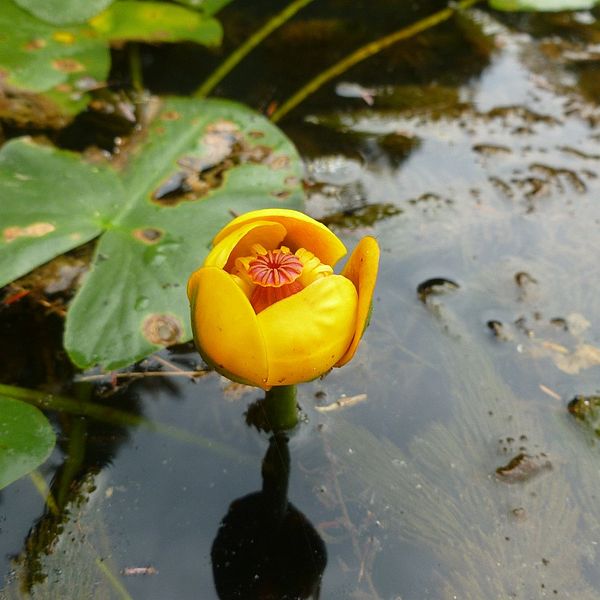
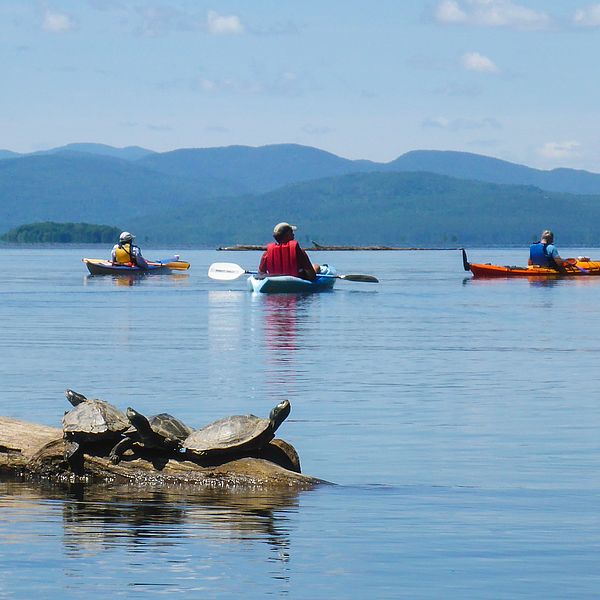
They touch the tips of swimmers’ toes, wrap around fish hooks, anchors, and paddles, and form underwater meadows near shorelines—native aquatic plants are ubiquitous in Lake Champlain Basin waterbodies. The roles these aquatic superstars play in lake…
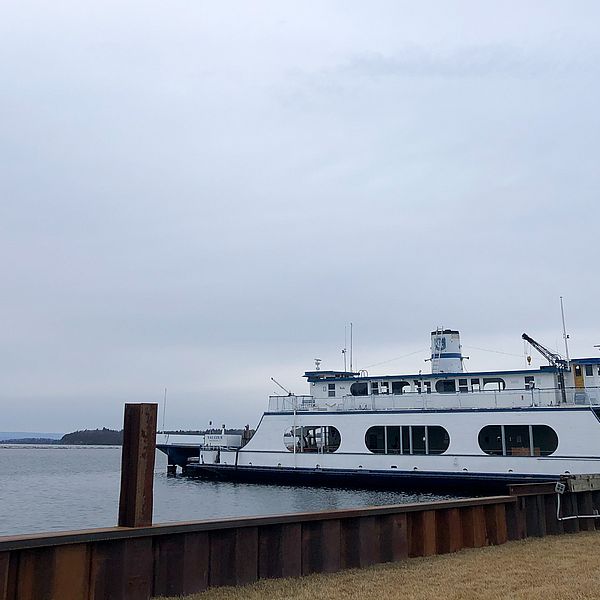
We have good news to share! Earlier this week--in response to opposition from the Lake Champlain Committee (LCC), the Vermont Natural Resources Council (VNRC), and the public--the Lake Champlain Transportation Company and Vermont Division for…
Burlington, VT -- Citing opposition from environmental groups and the public, Lake Champlain Transportation Company and Vermont Division for Historic Preservation announced today the withdrawal of its application for a permit to sink the Adirondack,…
A virtual public meeting will be help on Tuesday, May 4th from 5:30 p.m. to 7:30 p.m. to discuss the Lake Champlain Transportation Company's proposal to sink the Ferry Adirondack in Burlington Bay. Please attend the meeting and speak out about why…
Water Protection Groups Appeal Permit Authorizing Sinking of Ferry in Lake Champlain
Out of concern for Lake Champlain’s underwater ecosystems, the Lake Champlain Committee (LCC) and the Vermont Natural Resources Council (VNRC) have appealed a permit issued by the Agency of Natural Resources (ANR) to allow the sinking of a…
Happy Earth Day! Click here to read a few ideas for how to celebrate and protect our planet and the special corner we call home from your friends at the Lake Champlain Committee.
Come work for clean water! The Lake Champlain Committee (LCC) seeks a highly-organized, detail-oriented, energetic, enthusiastic, multi-tasking Office Manager to work in a fast-paced team environment with humor, computer and web savvy, and a…
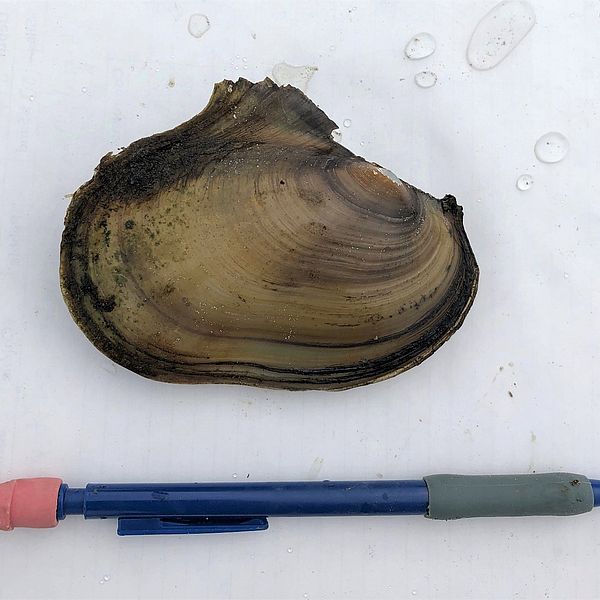
If you’ve paddled, taken a swim, or cast a fishing line in the waterbodies of the Lake Champlain Basin, you’ve likely spent time among one of the most enigmatic and imperiled groups of aquatic animals in our region: native freshwater mussels. They’re…
The Global Warming Solutions Act (GWSA) turned Vermont's climate emissions reductions goals into binding requirements and led to the creation of the Vermont Climate Council. The Council is in the early stages of developing a climate action plan to…
Call to Action from Vermont Nonprofits in Response to January 6th
We share this message in response to recent violence and disruption to our democracy, both in our nation’s Capitol and across our country: Common Good Vermont unites nonprofits across Vermont to condemn actions of hate, violence, inciting of such…
More...
LCC Statement on 1/6/21 Attack on the U.S. Capitol
The Lake Champlain Committee (LCC) strongly condemns the 1/6/21 attack on the United States Capitol. This assault on our democracy was an act of domestic terrorism. The actions were unpatriotic and unlawful. The stark contrast between how the mob of…
The Lake Champlain Committee (LCC) has been named a “2020 Top-Rated Nonprofit” by GreatNonprofits, the leading provider of user reviews and ratings of charities and nonprofits. The Top-Rated Nonprofit Award is based on the five-star ratings and…