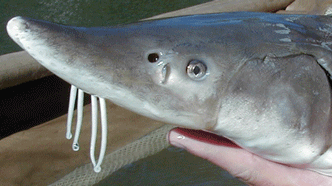
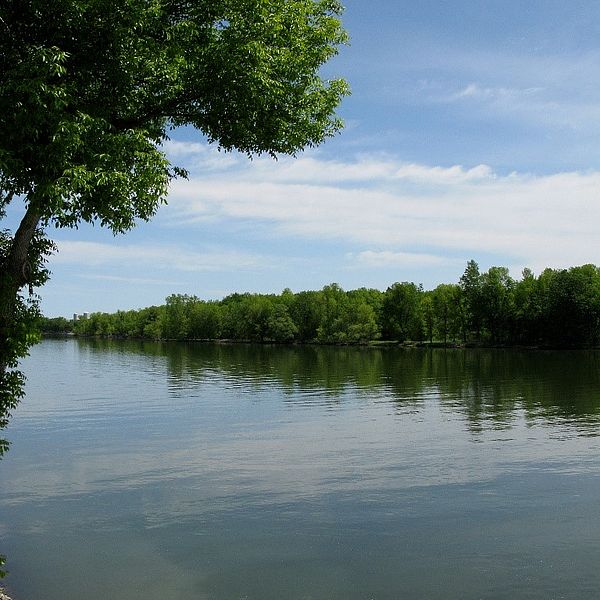
Lake sturgeon can be unintentionally caught by anglers during May and June as they head upstream to spawn in the waters where they were born. The stress incurred from being hooked can inhibit their ability to reproduce. Lake sturgeon are a threatened…
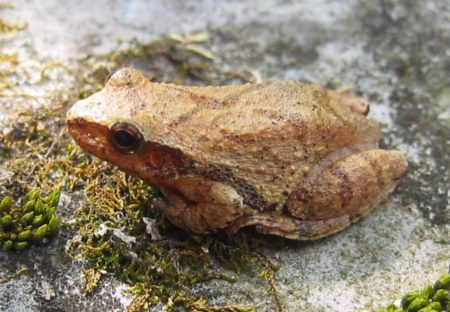
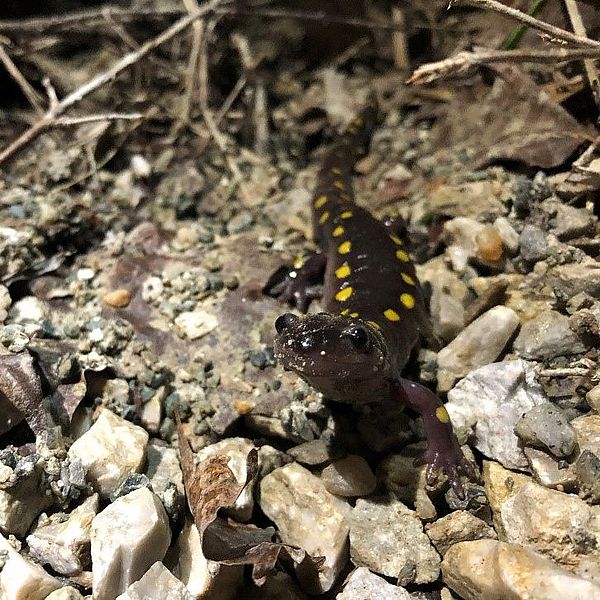
Is it a bird? No. A cricket? Close! The shrill chorus of spring peepers is the chime of spring. They are among the smallest and certainly one of the most common species of frog in the Lake Champlain watershed. You can discern a spring peeper up close…
“P” stands for phosphorus. It’s a naturally-occurring element, that when present in excess, disrupts critical ecosystem functions and can cause cyanobacteria blooms. It’s carried into the lake through a host of sources, including the runoff from…
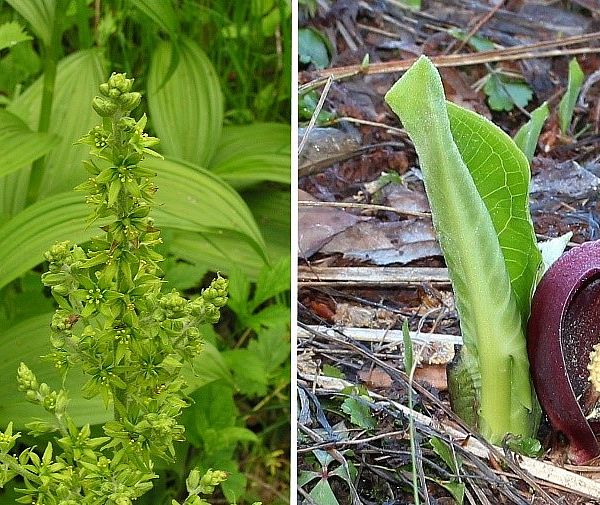
Chartreuse—a luminous yellow-green color—currently punctuates wetlands and wetland edges throughout our region in the form of American false hellebore (Veratrum viride). The herbaceous perennial belongs to the lily family and is typically found in…
Conservation Biologist Steve Faccio of the Vermont Center for Ecostudies (VCE) visits a local vernal pool each week throughout the spring of 2020. In a series of seven short videos taken from April 1 through May 8 he introduces viewers to the…
"From Lake Champlain to the Richelieu River and the St. Lawrence, a panel of Canadian experts explores our connections and common interests in our water. Saving Our Waters is a documentary series covering steps toward keeping our waterways clean; the…
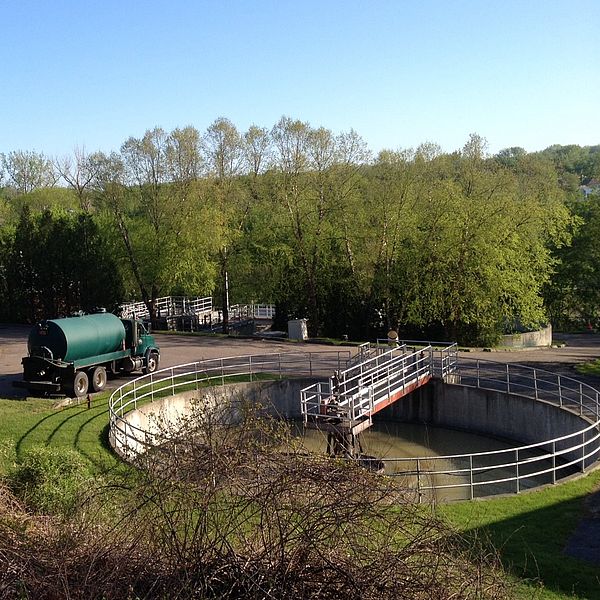
Look no further than the vast system of pipes beneath our feet—sewers—for an alternative to monitoring for viruses like COVID-19 person by person. Wastewater could provide localized data about coronavirus levels and create an early warning system for…
Entomologist Douglas Tallamy is urging Americans “to go native and go natural” and move away from the monoculture of a lawn. He’s an advocate for native plants as a way of preserving North America’s natural ecology. His recommendations for rewilding…
We hope you’re healthy and finding ways to nurture yourself during these challenging times. We are looking forward to diving into the lake to refresh our spirits once temperatures warm and travel restrictions ease. In the meantime, we thought we’d…
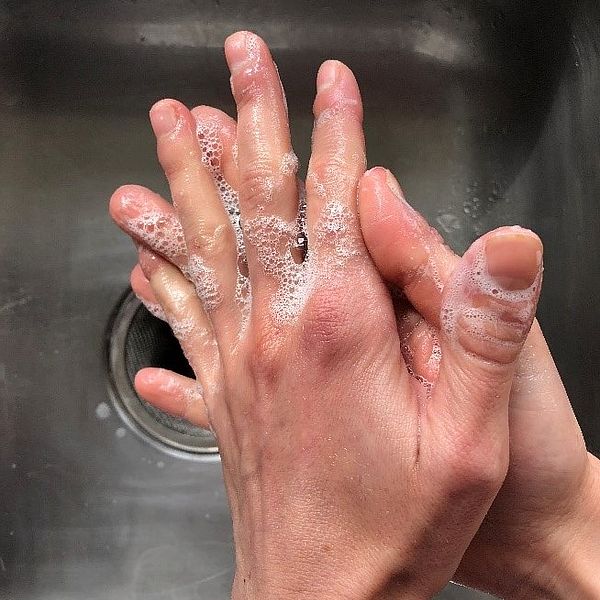
At LCC we love science and water—and feel grateful to immerse ourselves in those topics every day. Click here to read the Vox article about the really cool science behind why soap and water is a killer combo in protecting us against Covid-19.
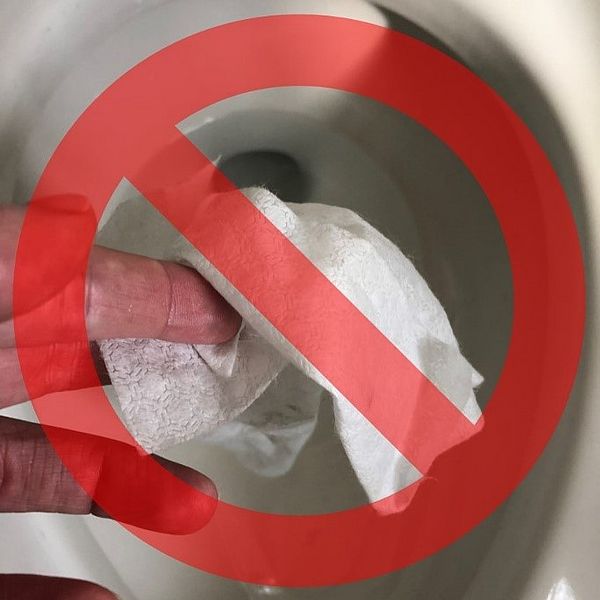
As we all work to address the Covid-19 pandemic, keep in mind that wipes clog pipes, even if they are marketed as “flushable.” Click here to read the New York Times article about backed-up sewer lines in the wake of the coronavirus.
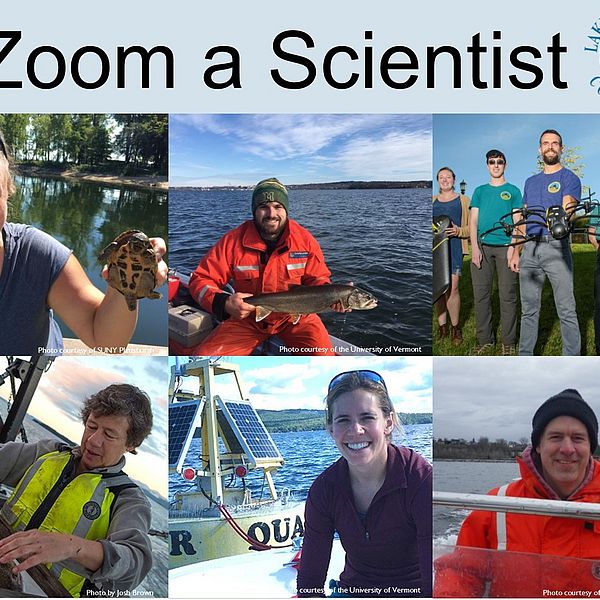
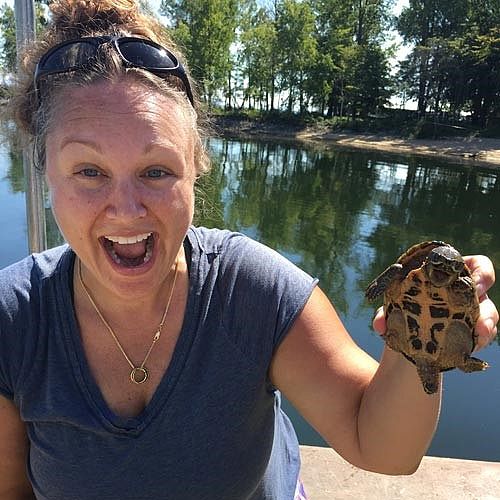
Over the next few weeks, our friends at Lake Champlain Sea Grant are hosting "Zoom a Scientist," an interactive, virtual webinar series focused on watershed and aquatic science. The programs will feature scientists from the University of Vermont…
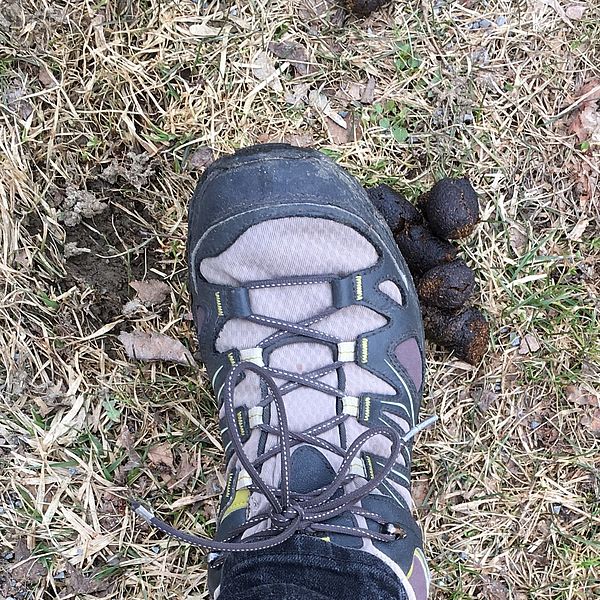
Deserted dog doo is a nasty addition to the bottom of an innocent passersby’s shoe—and to Lake Champlain. Canine feces left on hard surfaces like a sidewalk or compacted soil can wash into storm drains during any precipitation event. From there, they…
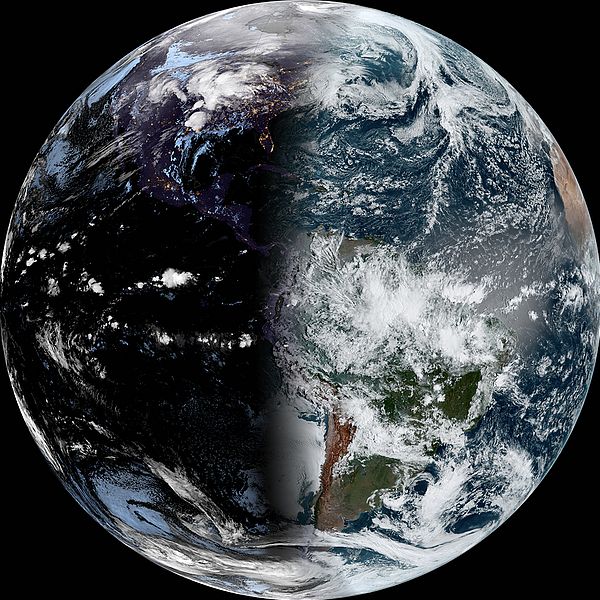
As we turn our faces toward the sun to soak up the rays of longer days, the natural world is adjusting too. A period of transition for humans, plants, wildlife, and Lake Champlain, the Vernal (Spring) Equinox, took place on March 19, 2020.
As we physically distance ourselves from each other and try to flatten the curve for Covid-19 infection, getting outside every day will help bring solace and soothe spirits. Click here to read an article on the Seven Days website about three spots…
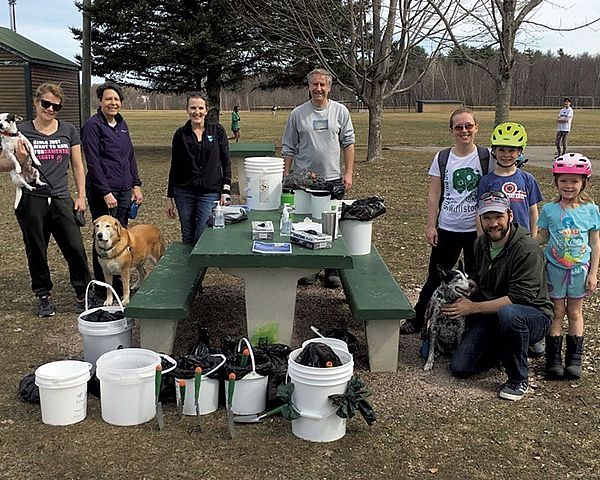
Left behind dog poop affects waterways everywhere, which is why a Michigan reporter contacted LCC’s Executive Director, Lori Fisher, to learn more about our April Stools’ Days. Word of our annual scoop the poop events has been circulating throughout…
“If Moose Boulder existed, it would be the largest island in the largest lake on the largest island in the largest lake on the largest island in the largest lake in the world.” Say that three times fast—but wait, there’s more to this tongue twister!
For the safety of our staff, volunteers and community, the Lake Champlain Committee (LCC) staff are working remotely for the time being. We remain as committed as ever to protecting water quality.The importance of having access to clean water is…
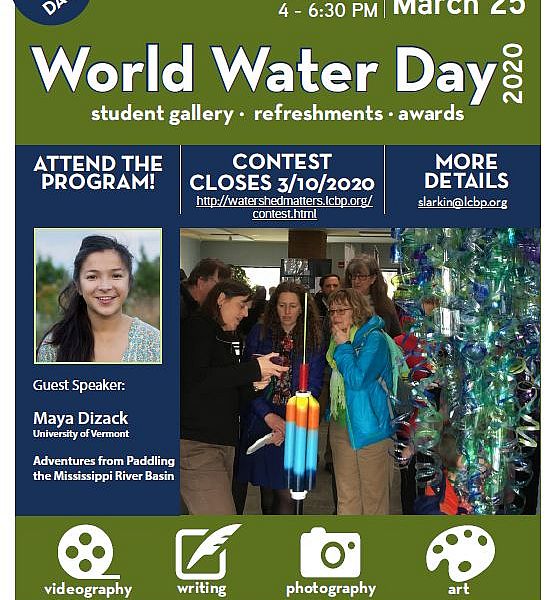
Know a K through 12 student, teacher or homeschooler in the Lake Champlain Basin? In honor of World Water Day, LCC and Champlain Basin Education Initiative (CBEI) partners are hosting our annual cool contest to celebrate water. It’s a great way for…
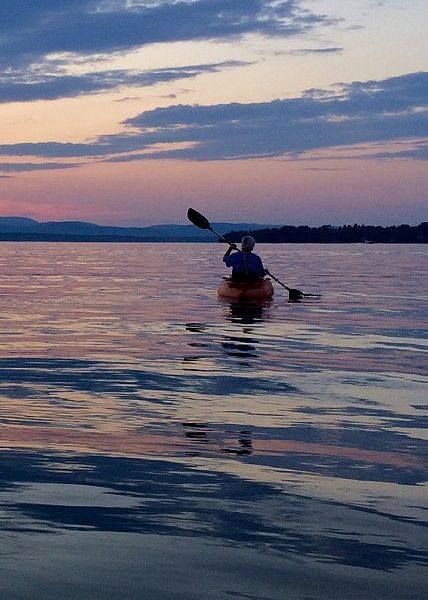
LCC seeks boating pictures to enhance our 2020 edition of the Paddlers’ Trail guidebook. If you ventured out on the water with a camera, please consider sharing some photos with us. We are looking for images of human-powered adventures on Lake…
If your faucet drips or your toilet runs it can waste over 10,000 gallons a year ― the amount of water in a typical backyard swimming pool. More than one trillion gallons of water are lost annually in the U.S. due to easy-to-fix household leaks.
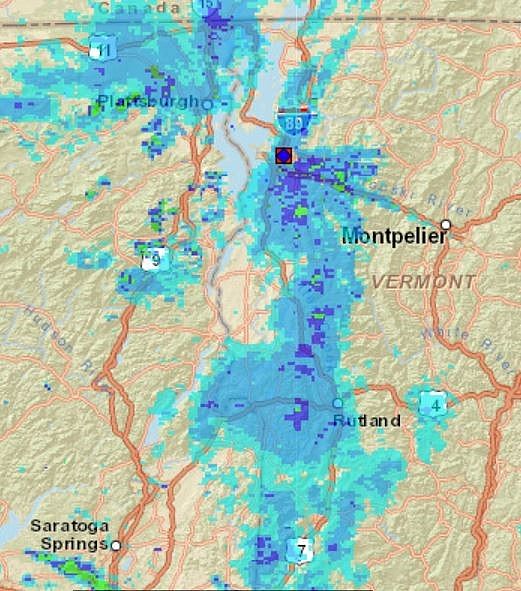
While the sun shines on Montpelier, it could be dumping snow 50 miles southwest in Cornwall, VT. Apart from major snowstorms, namely Nor’easters and “Alberta Clippers,” the formation of lake-effect snow over Lake Champlain is one of the many weather…
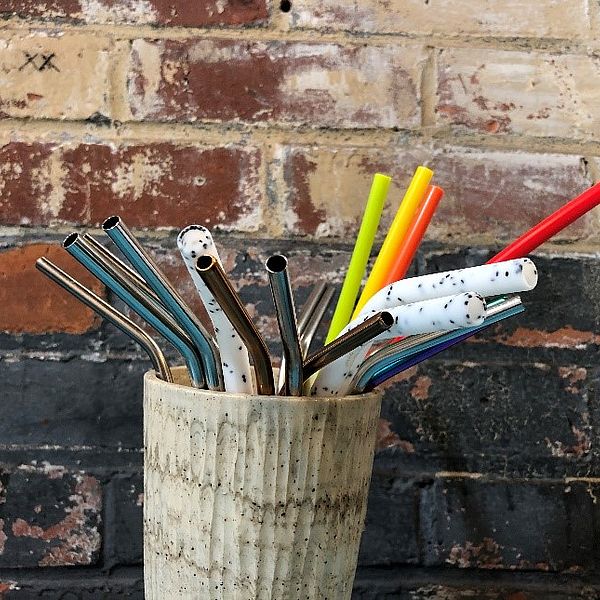
On the beaches of Lake Champlain and in the branches of shoreline vegetation plastic bags flap in the breeze. These conspicuous “flags” are one of the many forms of plastic water pollution. Images of a plastic straw jammed up the nostril of a sea…
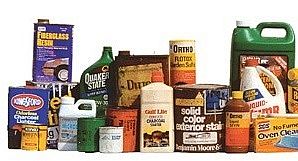
If you look at items kept in basements, under sinks, and in the dark recesses of the garage, the odds are good that some of them contain harmful ingredients. How do you know if they’re hazardous? Words and symbols for “Warning,” “Danger,” and…
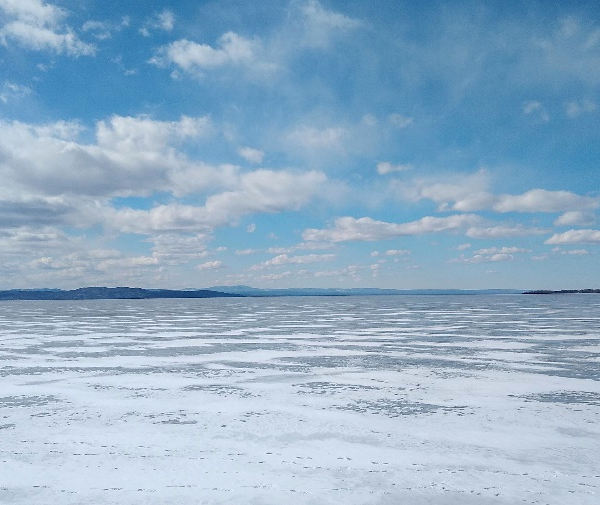
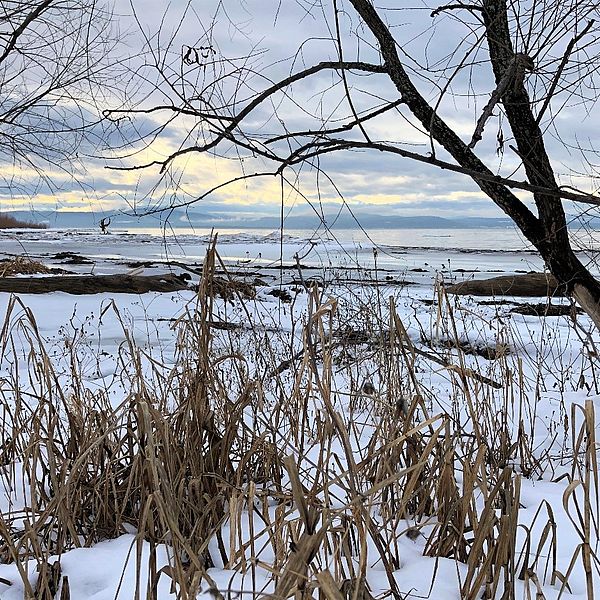
The freeze over of Lake Champlain is a celebrated event. Due to warming winter temperatures, the lake does not ice over as often as it did 20 years ago, making this phenomenon special. Though the lake froze over last year (closure date of March 8),…
The plastic bag ban in New York State begins Sunday, March 1, 2020! Whether floating on a local waterway or stuck in a tree, plastic bags are a too common sight and blight on the landscape and in the water. Do your part to reduce plastic pollution…
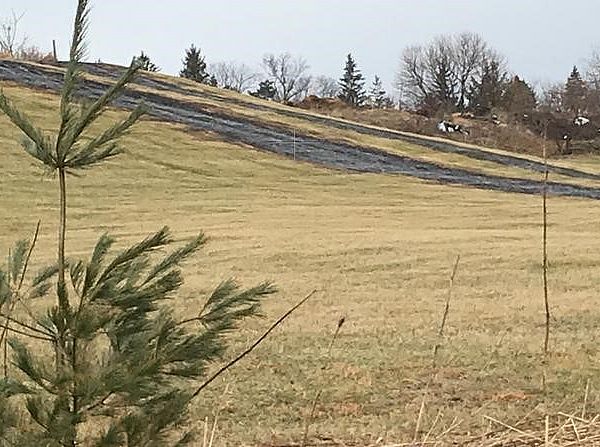
The Lake Champlain Committee (LCC) is no stranger to defending Vermont’s clean water laws. In December 2019, LCC was part of a coalition of environmental organizations that issued a press release on the unlawful emergency exemptions for farm manure…
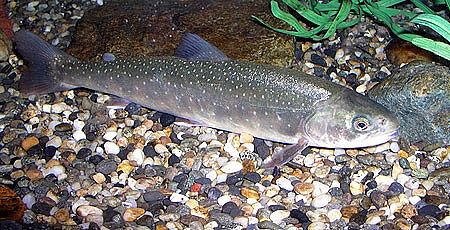
Arctic char, closely related to lake and brook trout, are a relic of the last Ice Age. When glaciers in New England receded between 10,000 and 12,000 years ago, the char colonized areas of inland New England. Other than Alaska, Maine is the only…
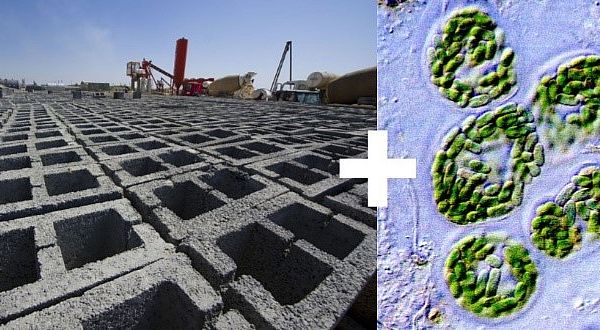
Photosynthetic bacteria, gelatin, and concrete are the building blocks of a new type of material: living concrete! Researchers at the University of Colorado, Boulder, funded by the Department of Defense, formed the new substance. Minerals in the…
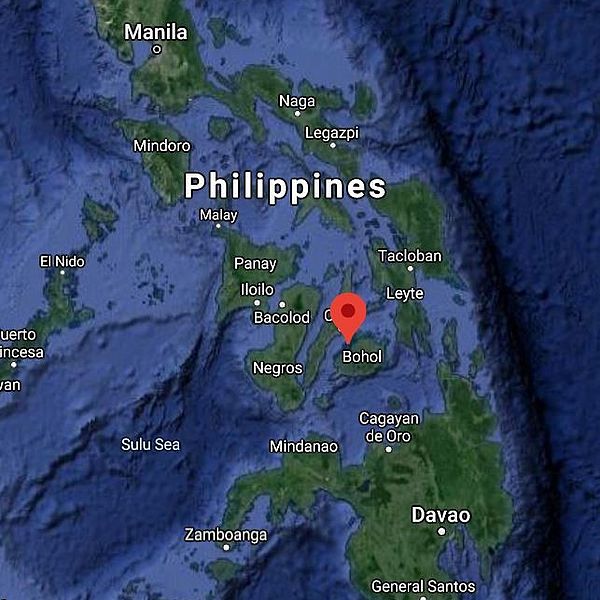
As the seas rise higher, low lying islands and coastal areas are continually threatened by floods. Batasan, an island in the Philippines, is no exception. In 2013, a major earthquake (7.2 magnitude) hit the island, causing it to collapse downward.
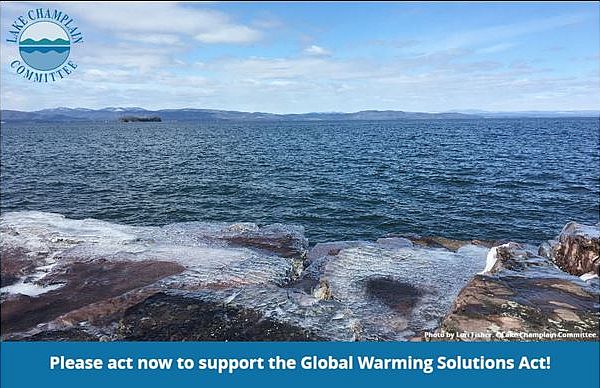
The Vermont Global Warming Solutions Act (GWSA - H.688) will be on the House floor tomorrow, February 20 for a crucial vote. The bill sets binding targets and holds the state accountable to develop and implement a plan to meet Vermont’s commitment to…
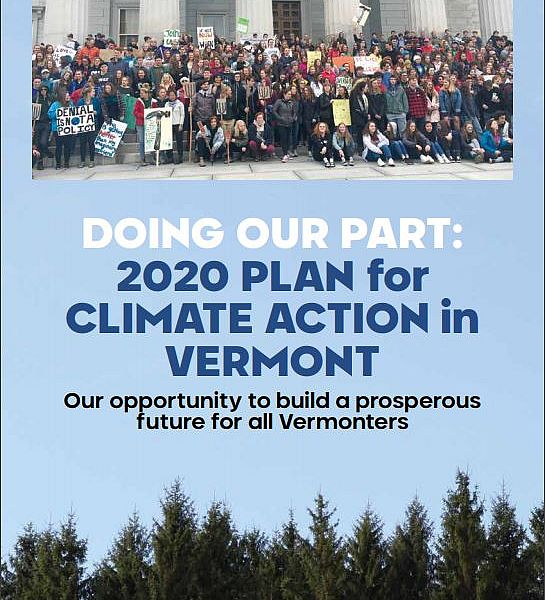
Recognizing that climate change poses an existential threat to Lake Champlain water quality, LCC was among 30 diverse organizations to present a policy plan of action to Vermont leaders in January. Since 2006, the state has had statutory goals to cut…
Earlier this month Jared Carpenter, LCC’s Water Protection Advocate, joined with colleagues from the Vermont Conservation Voters, Vermont Natural Resource Council and other organizations to present the 2020 Environmental Common Agenda. The Common…
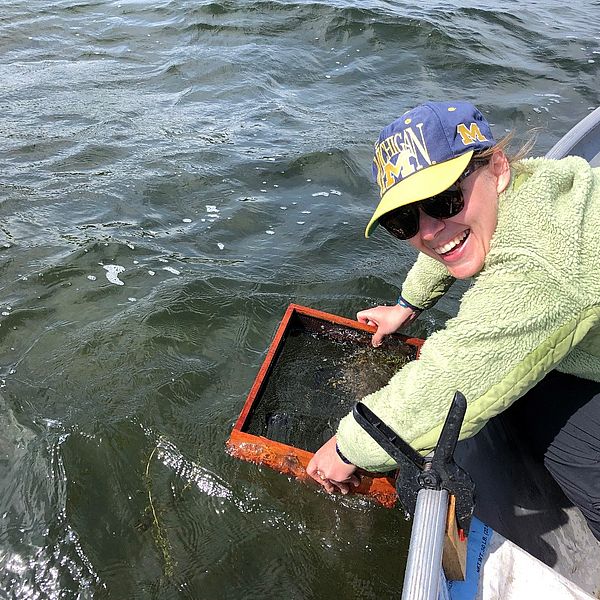
In July 2019, LCC welcomed Lauren Sopher to the staff as our Director of Science and Water Programs. Lauren grew up in Vermont traipsing after frogs and toads along Monroe Brook, paddling the LaPlatte River, and exploring Lake Champlain’s surface and…
A grant from outdoor gear co-op REI will enable LCC to purchase signage for Lake Champlain Paddlers’ Trail sites, update website content, and produce informational materials about the Trail. The funds will also cover a touring kayak and related gear…
Lakeshore and grassland are like yin and yang: seemingly opposite forces that are complimentary. The lakeshore provides water disturbance to the grass and the grassland provides shoreline stabilization to the lake—both processes shape this natural…
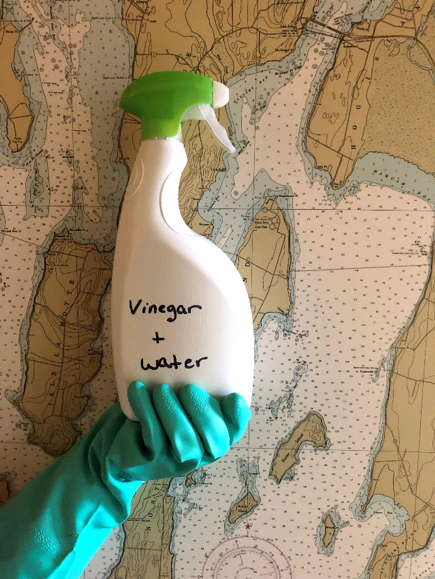
Every space gets dirty. Whether at home, at work, or somewhere in between, most of us use cleaning products on a regular basis to tidy up. While commercial products may get things squeaky clean, they can also do more harm than good. Many contain…
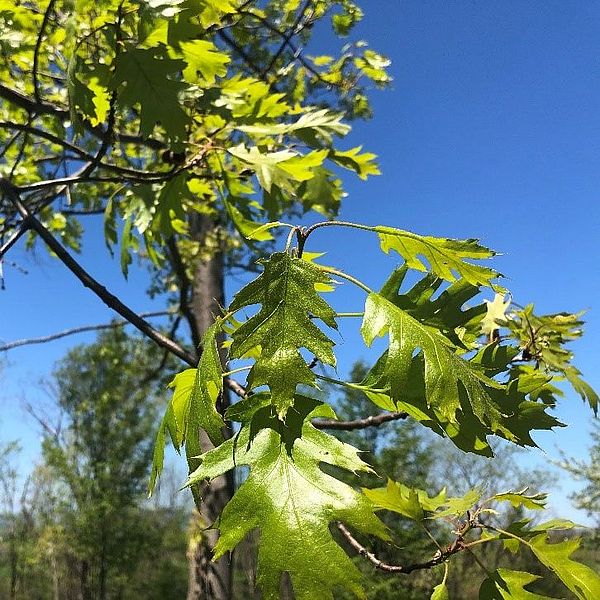
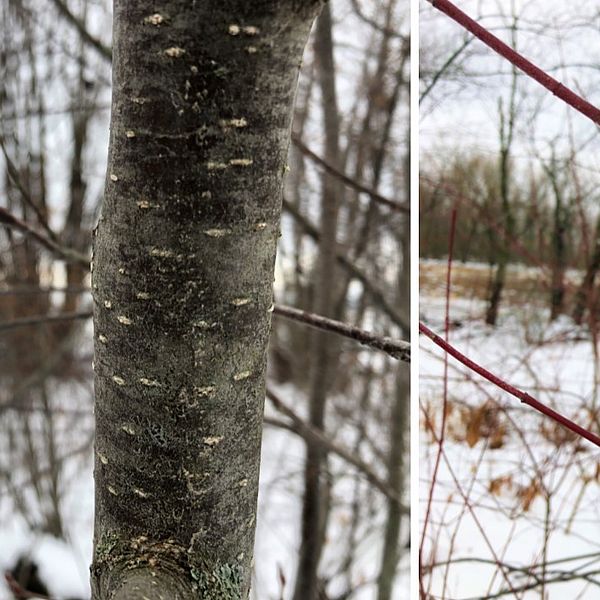
Plant identification is not restricted to a particular season. Though woody plants can be difficult to identify in winter, the activity adds a new dynamic to winter adventures and is a fun challenge. Read on for identification tips about two common…